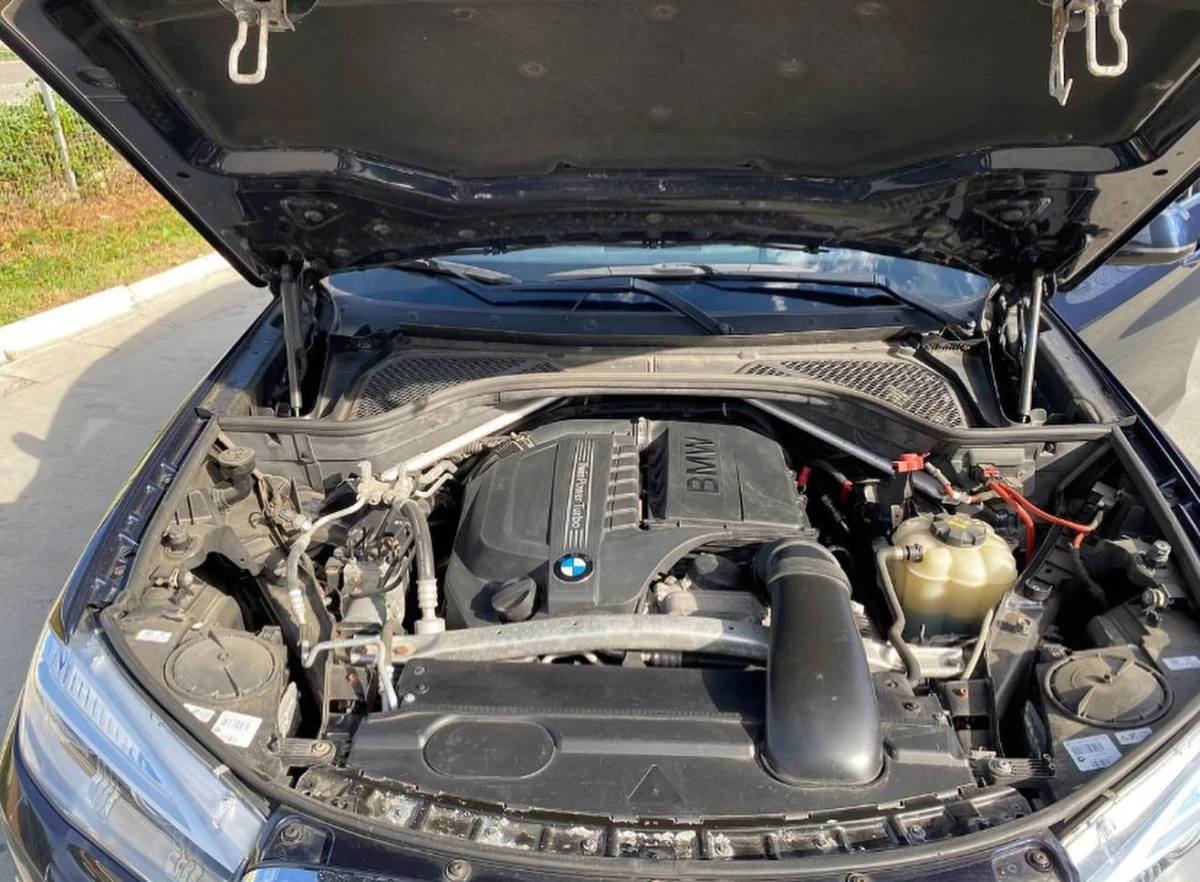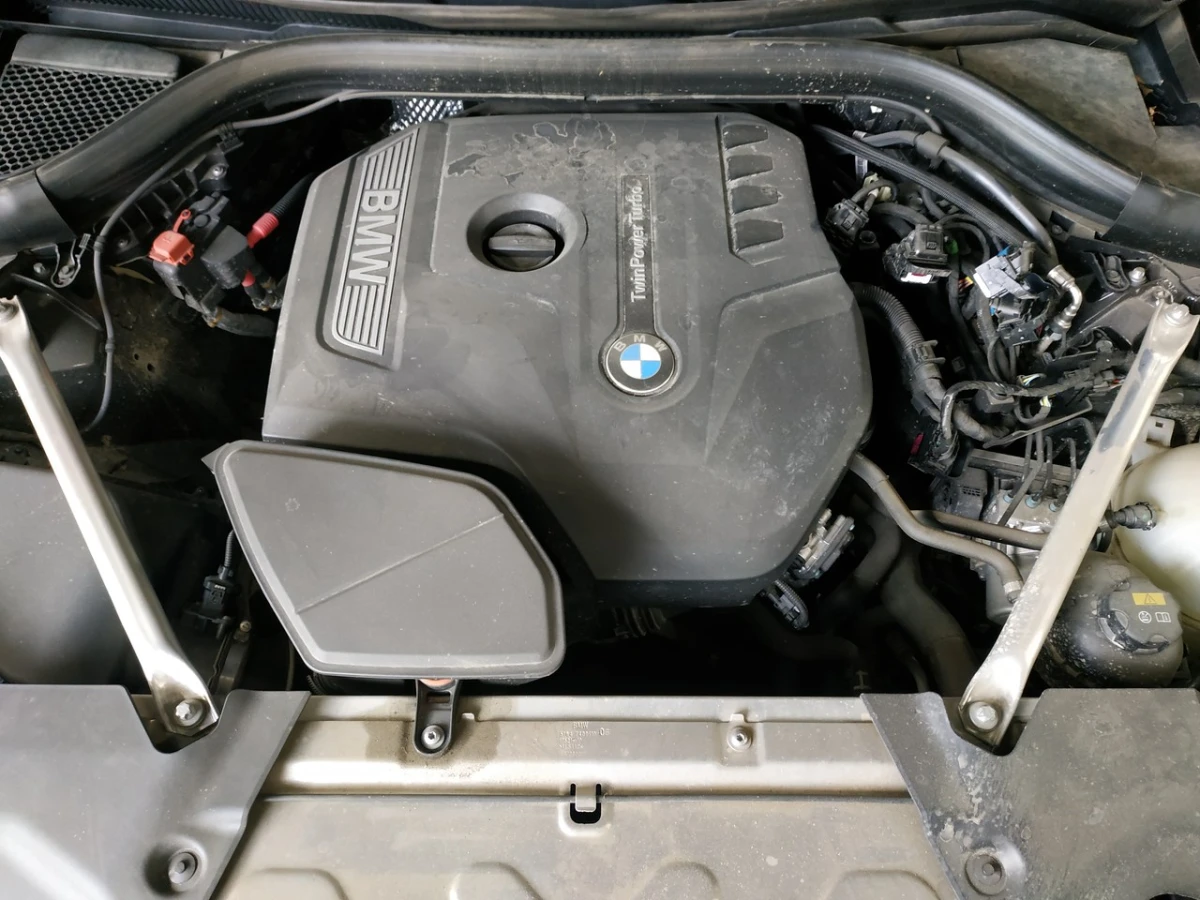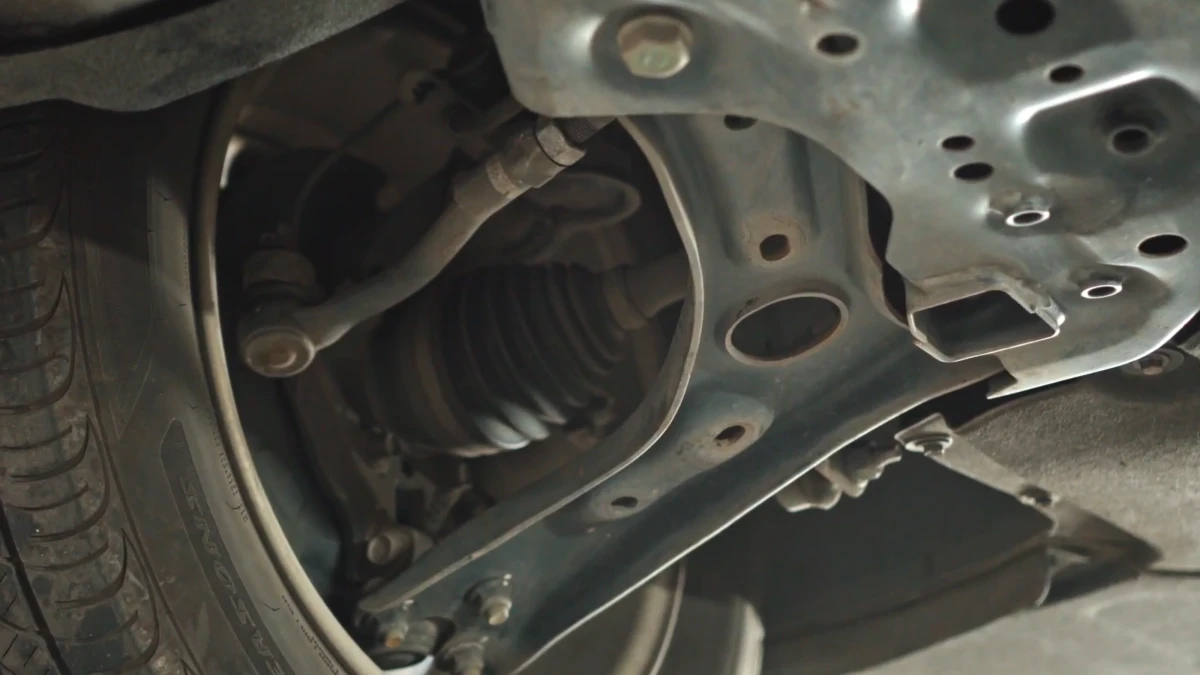



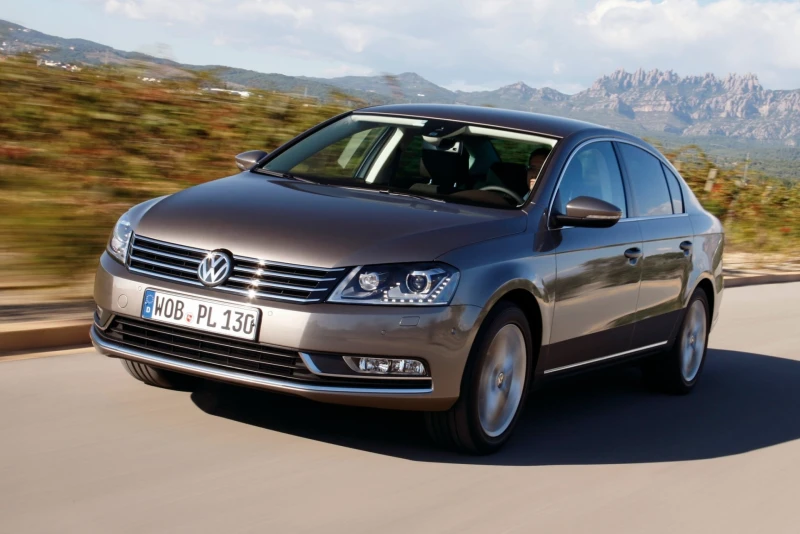
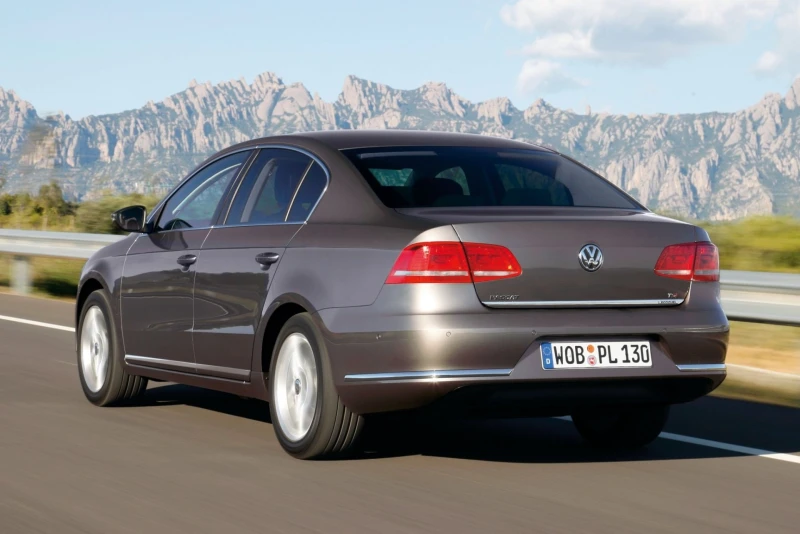
The model produced from 2010 to 2015 has a reputation as a solid D-segment family sedan, but like any generation, it comes with specific quirks and potential trouble spots. Volkswagen Passat 2010–2015 issues often involve engines, transmissions, suspension, and other systems. This article covers the most relevant aspects for the U.S. market, where the model remains popular on the used-car scene. For a full overview of the generation, specs, and interior details, check out other articles in the series.
Key Drawbacks and Generation-Specific Features
Owners of the Volkswagen Passat B7 frequently mention several characteristics that affect day-to-day ownership. Fuel economy in gasoline versions like the 1.8 TSI can reach 22–24 mpg in city driving, depending on driving style and conditions — higher than many expect for the class. Diesel 2.0 TDI variants deliver more efficient figures of 30–38 mpg combined, but they demand careful attention to fuel quality.
Infotainment and navigation in base trims feel dated by today’s standards: small screens, less intuitive interfaces, and limited smartphone integration. Higher-spec models with RNS 510 perform better, though software updates may be needed for current maps and features.
Sound insulation is average: road and tire noise become noticeable above 80 mph, especially without optional upgraded packages. Interior materials match the segment, but lower plastics can develop rattles over time, and cloth upholstery tends to show wear and stains.
Maintenance complexity stems from the design: accessing components like the timing chain in TSI engines requires substantial labor. Parts costs vary — OEM items are pricey, but quality aftermarket options exist. For example, a timing chain service on a 1.4 TSI or 1.8 TSI can run several hundred dollars depending on location and shop.
Model Years & Versions — Red Flags to Check
Early production years (2010–2011) tend to show more issues. These often include timing chain stretch on gasoline 1.4 TSI and 1.8 TSI engines, causing startup rattles. Early 2.0 TDI diesels can suffer injector failures and EGR problems leading to power loss or higher fuel use.
Later cars (2013–2015) received refinements: improved DSG software, more robust mechatronics in the DQ200 (dry) and DQ250 (wet) units, plus updates related to emissions standards for diesels. No major facelift occurred, but incremental changes made later examples noticeably more dependable. In the U.S. market, most examples are North American spec, with powerful options like the 3.6 VR6 being uncommon and usually imported.
| Model Year | Key Features & Potential Issues |
| 2010–2011 | More frequent timing chain issues in TSI, injector/EGR problems in TDI, early DSG concerns |
| 2012 | Introduction of Alltrack variants, suspension tweaks, but still low ground clearance |
| 2013–2015 | Software improvements, better mechatronics reliability, emissions-related updates |
Used Market in the United States
On the American used market, Volkswagen Passat B7 examples are mostly North American-spec vehicles. Body condition often depends on road exposure: low ground clearance (about 5.3–5.9 inches) leads to underbody scrapes on rough roads, while winter salt accelerates rust on wheel arches, rocker panels, and rear doors. In regions with harsh winters, thorough undercoating checks are essential.
Service history is critical: missing records can signal hidden issues like odometer rollback. Actual mileage should be verified via VIN checks, databases, and interior/exterior wear patterns. Parts originality and options vary — many cars have aftermarket additions, so confirm factory equipment.
Typical listings include diesel wagons or sedans with the 2.0 TDI and DSG, mileage between 90,000–150,000 miles, and prices roughly $6,000–$12,000 depending on condition, location, and trim. Rarer Alltrack 4Motion versions command higher prices when available.
What Can Be Fixed & Budget for Solid Condition
Most drawbacks can be addressed. Upgrading sound deadening with aftermarket materials on doors and floor significantly cuts cabin noise. Modern infotainment retrofits with Apple CarPlay/Android Auto are possible but require CAN-bus compatibility.
Replacing worn interior trim, upholstery, or plastics is straightforward with available parts. Suspension refreshes — struts, springs, bushings — are common, especially on roads with potholes. Rust prevention via undercoating is recommended, along with routine DSG fluid changes every 40,000 miles and timing chain service on TSI engines per schedule.
When buying, budget 10–20% of the purchase price for initial inspection, maintenance, and minor fixes — often a few hundred to a couple thousand dollars depending on mileage and condition. Higher-mileage examples (over 120,000 miles) may need larger investments for major components.
Conclusions & Buying Advice
In 2026, the Volkswagen Passat VII remains a sensible choice for buyers seeking a spacious, efficient family sedan at a reasonable price — provided it passes a thorough inspection. Early years (2010–2011) need extra scrutiny on timing chains and injectors, while later examples (2013–2015) offer better balance thanks to factory updates.
The most well-rounded options for the U.S. market are typically the 2.0 TDI diesels with 6-speed DSG and front-wheel drive, or gasoline TSI models for those preferring regular premium unleaded fuel. During inspection and test drive, listen for chain noise on cold starts, check DSG shifts for smoothness, feel for suspension vibrations, inspect for rust, and verify all electronics. A full diagnostic scan at a VW-specialized shop is highly recommended to uncover any hidden faults.