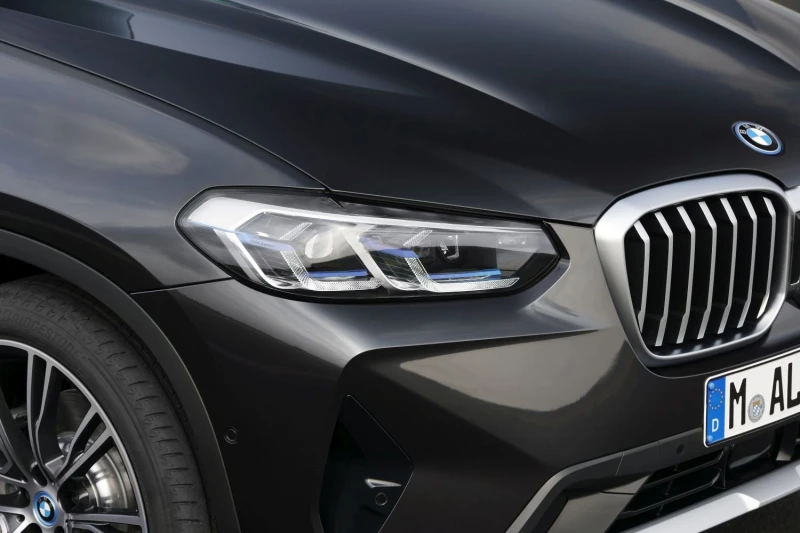
Known internally as the G01, this generation of the BMW X3 was produced from 2017 to 2024 and is widely regarded as one of the most well-rounded premium compact crossovers of its era. Still, no vehicle is perfect — especially on the used market. Common complaints among American owners center around electronics gremlins, suspension wear, engine quirks on higher-mileage examples, and the expected premium price tag for parts and service. In this guide we cover the main weak points, how the 2021 facelift (LCI) addressed some issues, year-specific concerns, typical repair costs, and practical advice for shopping used X3s in the US. For full technical specs, interior walkthroughs, and driving impressions, see our separate reviews.
Main Drawbacks of This Generation
BMW X3 G01 owners frequently report a consistent set of issues during ownership. While the model generally scores above average in reliability surveys, many complaints stem from its premium nature — costly components and dealer service prices. Here are the most commonly mentioned drawbacks:
- Higher-than-average fuel consumption: Gasoline models (e.g. 2.0L B48) typically return 22–28 mpg combined in real-world city/highway driving; diesels (B47, where available) do better at 28–35 mpg, but all-wheel-drive xDrive and stop-and-go traffic push numbers higher.
- Outdated infotainment & navigation in early models: Pre-facelift iDrive 6 systems can be slow, glitchy with phone connectivity, and the built-in navigation quickly becomes dated without map updates. Post-2021 models with iDrive 7 are noticeably improved but still benefit from software updates.
- Corrosion (regional): Surface rust can appear on roof rails, lower door edges, and wheel arches in regions that use road salt in winter. Factory rust protection is good, but not bulletproof in the Rust Belt.
- Noticeable road & tire noise: Cabin insulation is average for the class — tire roar and wind noise become apparent above 65 mph, especially with run-flat tires fitted from the factory.
- Expensive maintenance & parts: Dealer service intervals are costly (expect $500–$1,200+ per visit), while major items like timing chains, turbos, or electronics repairs easily reach several thousand dollars. Independent specialists can save money, but quality varies.
- Minor annoyances: Creaking/leather seat noise, foggy headlights, parking sensors giving false alerts, occasional electronic glitches (check engine light, wireless charging issues), and small interior rattles.
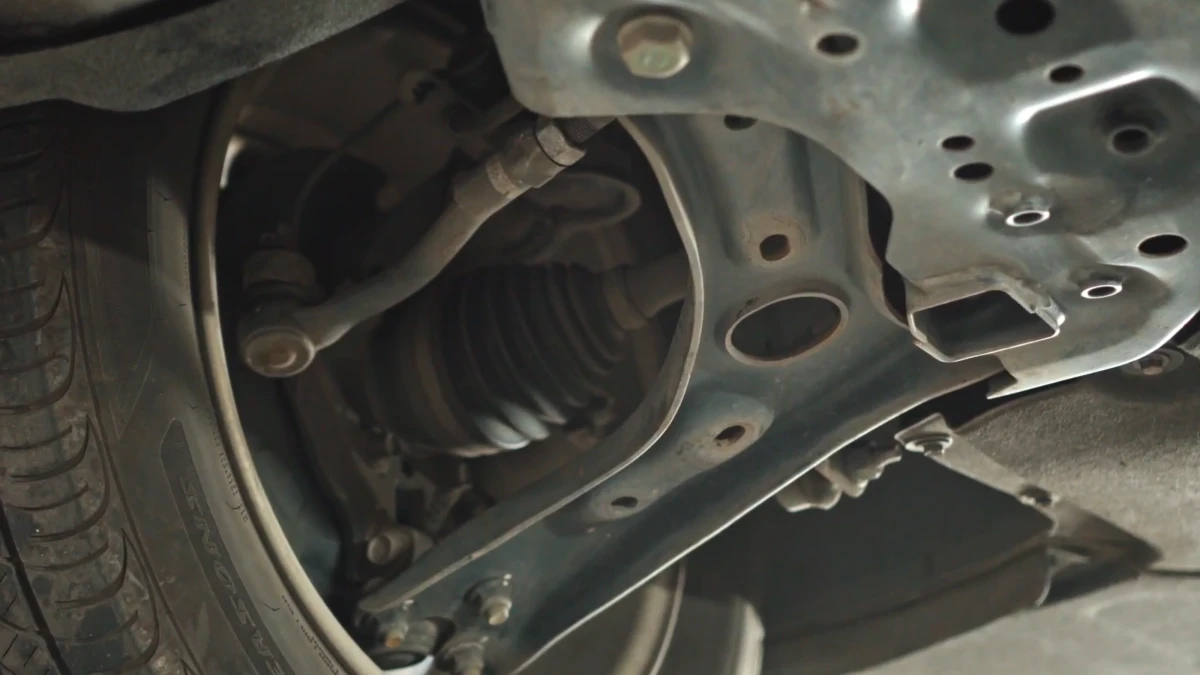
These issues rarely make the car undrivable, but they do increase long-term ownership costs and can affect daily comfort. The suspension holds up reasonably well until around 60,000–70,000 miles, after which shocks, control arms, and bushings often need attention.
Year Range & Version Differences: What to Watch For
Problems with the BMW X3 2017–2024 vary noticeably depending on the production year and whether it received the 2021 facelift (LCI).
| Period | Key Issues | Recommendations |
|---|---|---|
| 2017–2020 (pre-facelift) | Weaker sound insulation, analog gauges, glitchy iDrive 6, timing chain stretch on B47/B48 engines after ~50,000–70,000 miles, foggy headlights, seat creaks. | Avoid high-mileage (>90,000 miles) examples; always check timing chain health and full electronics scan. |
| 2021–2024 (facelift / LCI) | Improved iDrive 7 with digital cluster, better noise insulation, fewer software bugs. Run-flat tires still transmit harshness; some later steering complaints reported (possible future recalls). | Strongly preferred — more refined, lower risk overall. |
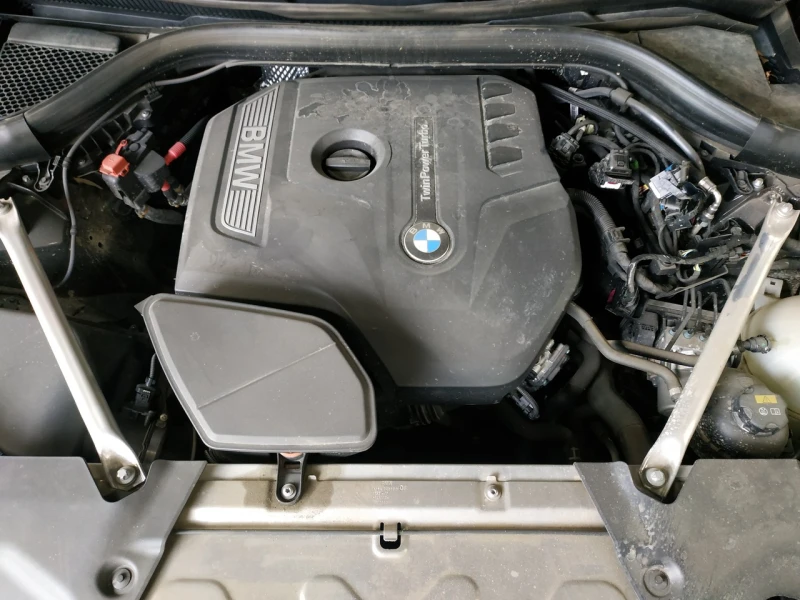
Early 2017–2018 models tend to have the highest number of owner complaints regarding electronics and engines. The B47 diesel (where offered) is generally durable but sensitive to poor-quality fuel; the B48 gasoline engine is responsive but can develop oil consumption after 60,000–80,000 miles. High-performance M40i variants deliver excellent power but come with significantly higher repair bills.
The Used Market in the United States
Used BMW X3 G01 models are widely available across the US, with prices typically ranging from $18,000–$25,000 for 2017–2019 examples up to $35,000–$50,000+ for low-mileage 2022–2024 facelift vehicles (as of 2026 market conditions). Key considerations include:
- Body condition: Inspect for rust on wheel arches, rocker panels, and underbody — especially in salt-belt states. Rough roads and potholes accelerate suspension wear.
- Service records: Many ex-lease or fleet vehicles exist — always verify mileage with CARFAX/AutoCheck and insist on full service history.
- Aftermarket vs OEM parts: Cheap non-genuine replacements are common but can cause issues later. Stick with OEM or high-quality aftermarket when possible.
- Oil change interval: BMW’s 10,000–15,000-mile factory recommendation is optimistic — most specialists recommend 5,000–7,500 miles to prevent engine sludge and timing chain wear.
- Actual mileage & history: Average used examples now show 70,000–130,000 miles; always run a full diagnostic scan to uncover hidden codes.
- CPO vs private/dealer: Certified Pre-Owned examples from BMW dealers usually include extended warranty and thorough inspection — worth the premium for peace of mind.
- Avoid flood or rebuilt-title cars: Steer clear of Hurricane/flood-damaged examples from coastal states or heavily repaired accident cars.
Hot summers in the Sun Belt and cold winters in the North accelerate interior leather wear and battery degradation. American highways and city potholes put extra stress on suspension components.
Ownership & Repair Budget Expectations
Many of the BMW X3 G01’s issues are fixable, but they require realistic budgeting. Plan on $2,000–$7,000 in the first 1–2 years of ownership for a typical used example to bring it to excellent condition.
- Sound deadening upgrade: $800–$2,000 (doors, wheel wells) — dramatically improves cabin quietness.
- Infotainment refresh: Software update $200–$500; aftermarket Android Auto upgrade $600–$1,200.
- Routine maintenance: Oil + filters $250–$450; full timing chain service (if needed) $2,000–$4,000+.
- Rust prevention / repair: Undercoating $400–$800; rocker panel repair $1,000–$3,000 if needed.
- Suspension refresh: Shocks/struts $1,200–$2,500 per axle; control arms $600–$1,200.
- Other common fixes: Replace run-flats with conventional tires $800–$1,500; electronic module repairs $300–$1,200.
Realistic budget for a good example in 2026: $28,000–$42,000 for a 2021+ facelift model under 70,000 miles + $2,000–$5,000 set aside for immediate maintenance and upgrades. Expect annual dealer-level service around $800–$1,500.
Final Thoughts & Buying Advice
In 2026 the BMW X3 G01 remains one of the smarter choices in the used premium compact crossover segment — provided you select carefully. It offers excellent driving dynamics, strong resale value, and a premium interior, but it demands respect for its higher running costs. The 2021–2024 facelift models are clearly the best pick: fewer issues, better technology, and improved refinement. Avoid early 2017–2018 examples with over 90,000–100,000 miles unless maintenance history is impeccable. Diesel variants (where available) offer better economy; gasoline models deliver more engaging performance but watch for oil consumption.
During inspection, prioritize: full diagnostic scan (engine & electronics), underbody/rust check, suspension play test, complete service records, and verified mileage. On the test drive listen for unusual noises, evaluate steering feel (some later reports of issues), and test all electronics. When possible, buy from a reputable dealer with a warranty. With proper care and realistic expectations for premium-brand upkeep, a well-maintained X3 G01 can easily reach 150,000–200,000+ miles before major repairs become frequent.