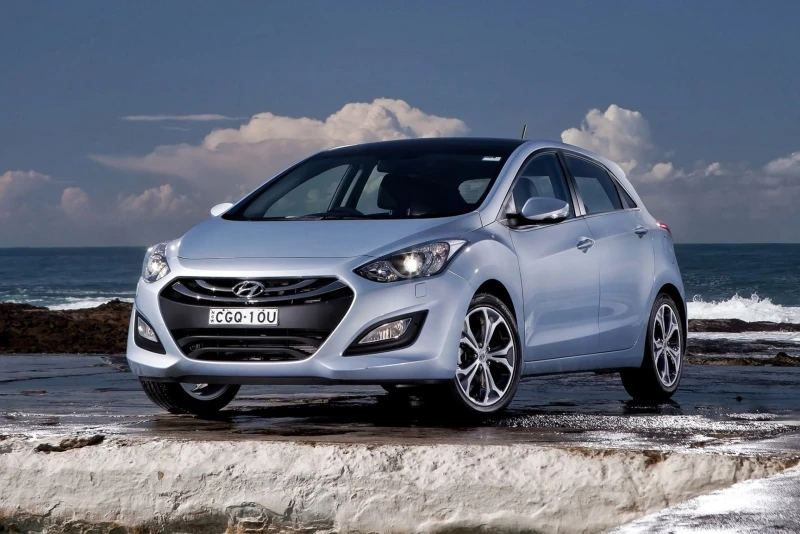
The GD-generation Hyundai i30, built between 2011 and 2017, earned a generally solid reputation as a reliable European-built compact, but like any high-volume car it has its quirks — especially when considering American roads, fuel, and driving habits. This guide covers the most frequently reported issues owners face with used examples, based on real-world feedback, without hype or exaggeration.
Key Drawbacks & Standout Characteristics
Fuel economy in everyday driving often falls short of official figures: the 1.6 MPI/GDi gasoline engines typically return 22–29 mpg combined in city/highway mix (real-world owner reports), while the 1.6 CRDi diesel versions achieve 35–42 mpg depending on driving style and DPF condition.
Sound insulation around the wheel arches and engine bay is considered average for the class — road and tire noise become noticeable above 65 mph, especially on coarser American highways and concrete sections. Interior plastics are typical for the segment: hard surfaces can develop rattles over time, and cloth seats show wear fairly quickly in high-contact areas.
Pre-facelift models (2011–2014) came with dated infotainment — sluggish response, no Apple CarPlay/Android Auto support, and sometimes finicky Bluetooth pairing. Factory navigation (where fitted) usually requires paid map updates.
Maintenance is generally straightforward and parts are reasonably available, though genuine Hyundai components (steering rack, ABS module, etc.) can carry a premium. Aftermarket quality varies widely.
Model Years & Versions — What to Watch Closely
Early cars (2011–2014, pre-facelift) are more prone to a few known issues: cylinder scoring in the Gamma 1.6 GDI engines (G4FD), weaker initial sound deadening, and occasional harsh shifts or hesitation in the 6-speed automatic (often improved with a software update).
The 2015–2017 facelift brought several meaningful upgrades: better noise insulation, revised gasoline engines (including the newer 1.4 in some markets with fewer bore scoring complaints), a 7-speed dual-clutch transmission option on diesels, refreshed styling, and improved electronics. Post-facelift examples tend to have fewer minor annoyances and are generally viewed as the more refined choice. Early models warrant extra scrutiny of the engine (endoscopic inspection recommended) and transmission health.
Used Market in the United States
In the U.S., the i30 was sold in limited numbers (primarily as the Elantra GT), so most used examples are imports from Europe (Germany, Czech Republic, Poland, etc.) or cars originally sold in Canada/Mexico. Diesel 1.6 CRDi variants are common among imports due to their efficiency, but many carry high mileage (125,000–200,000+ miles) from fleet or long-distance use abroad.
Body corrosion remains a concern despite galvanization: stone chips on hoods, fenders, rocker panels, wheel arches, and underbody seams can lead to rust, especially in regions that use road salt heavily. Thorough underbody inspection and checking for previous rust repairs are essential.
Mileage tampering is not uncommon on imported vehicles — always verify with Carfax/AutoCheck, European service records (if available), and physical condition of pedals, seats, and suspension. Cars with documented maintenance history from reputable shops command higher resale value. As of 2026, clean 2014–2017 examples typically range from $6,500 to $12,000 depending on mileage, condition, and equipment (rough guide — actual prices vary by region).
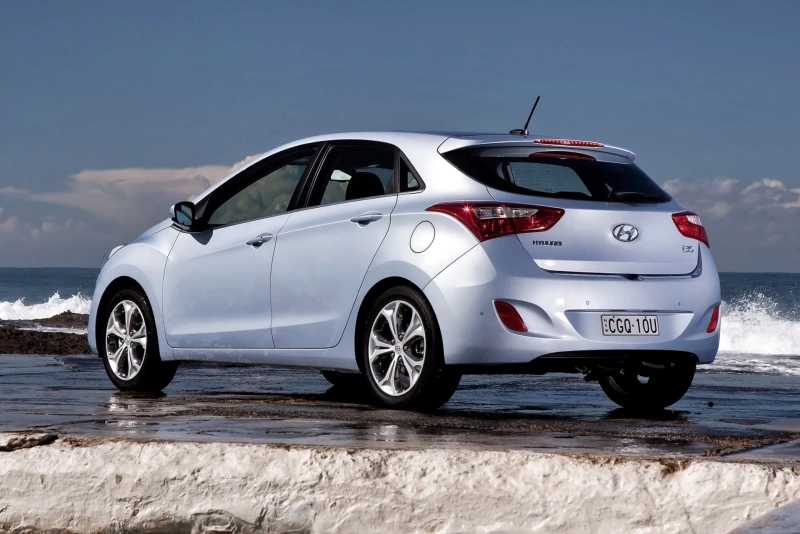
What Can Be Fixed & Typical Costs to Bring It to Good Shape
Most common complaints on the i30 II are fixable. Adding aftermarket sound deadening (doors, floor, wheel wells) can dramatically reduce cabin noise — expect $500–$1,200 depending on coverage and shop rates.
Modern aftermarket head units with Apple CarPlay/Android Auto are a popular upgrade. Worn seats and trim can be reupholstered or refreshed. Suspension components (bushings, shocks, mounts) are routine maintenance items every 50,000–75,000 miles on American roads — full refresh usually costs $800–$1,800.
Rust prevention includes timely chip repair, undercoating, and cavity wax treatment. Following the maintenance schedule (oil changes, transmission fluid, timing chain on gas engines every ~75,000–95,000 miles) helps avoid big repairs. When buying, it’s wise to budget an extra 15–25% of the purchase price for immediate catch-up maintenance and improvements based on inspection findings.
Final Thoughts & Buying Advice
In 2026 the Hyundai i30 II (GD) / Elantra GT remains a sensible, affordable choice in the compact hatchback segment for buyers who prioritize value, decent dynamics, and reasonable running costs — provided you choose carefully.
Facelifted 2015–2017 models with verified history and the 1.6 CRDi diesel often strike the best balance of efficiency and dependability. Earlier cars (2011–2013) demand closer attention to engine and transmission condition. Gasoline 1.6 MPI variants are generally simpler to own long-term in areas with variable fuel quality. During inspection and test drive, always check: cold/hot engine behavior, absence of suspension/steering noises, underbody condition on a lift, and full OBD scan for stored codes. With proper selection and maintenance, a good example can easily add another 100,000–150,000 miles without major drama.