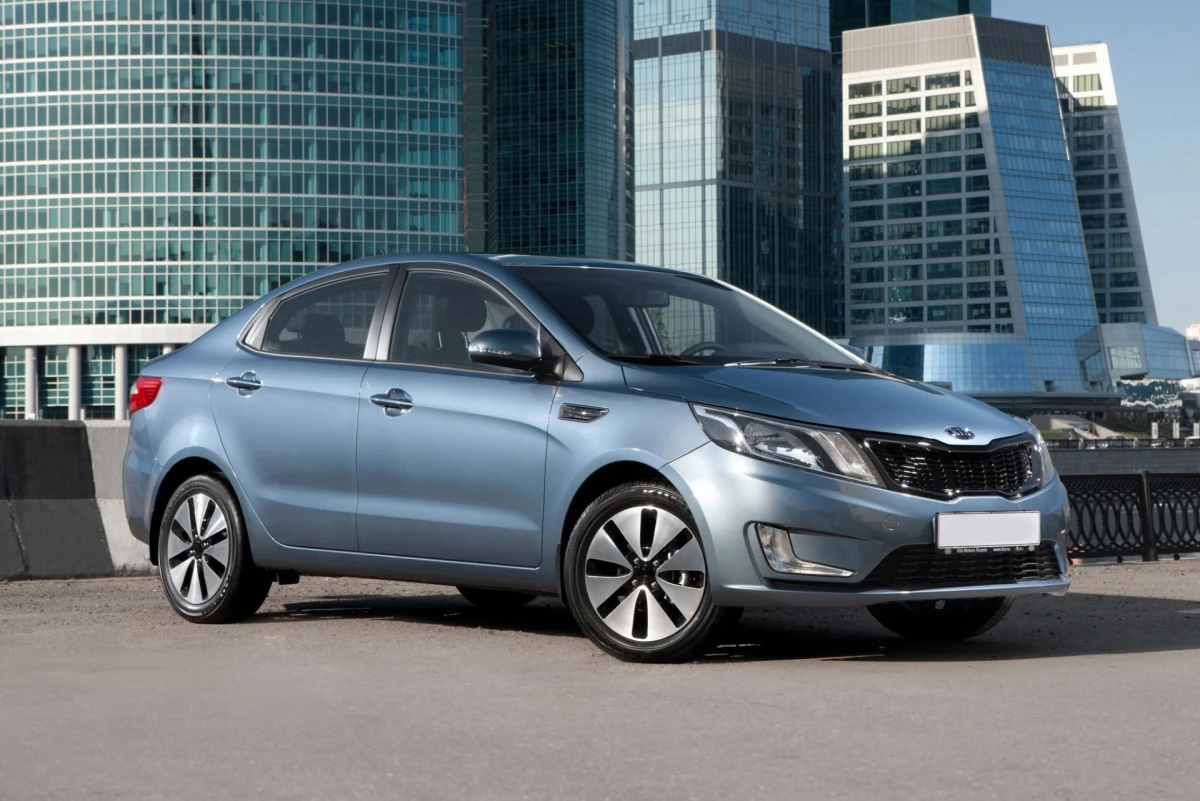
This article breaks down the most frequently reported weaknesses and real-world issues of the Mazda 3 third generation, based on owner feedback and typical US driving conditions. It will help prospective buyers better understand the risks when shopping for a used example. Common search terms like Mazda 3 problems, 2014–2019 Mazda 3 issues, and used Mazda 3 reliability often appear in forums and reviews. For full specs, interior photos, and driving impressions, check our other articles in the series.
Main Weak Points & Generation Highlights
Owners of the Mazda 3 III frequently mention several characteristics that affect daily driving. Real-world city fuel economy with the Skyactiv-G 2.0L engine typically lands between 25–30 mpg (9–11 L/100 km converted), depending on traffic, driving style, and climate — higher than many expected from a compact car. On the highway it improves to 35–40 mpg (6–7 L/100 km), but drops noticeably with a full load, aggressive acceleration, or heavy A/C use. The 2.5L version (mainly from US-market cars) is thirstier in city driving. Diesel Skyactiv-D 2.2L models are extremely rare in the US and were never officially sold here.
The infotainment system with its 7–8.8-inch screen can feel sluggish, especially in pre-2016 examples. Factory navigation (when equipped) often needs map updates, and full Apple CarPlay/Android Auto support only arrived after the 2017 facelift in higher trims. Sound insulation is average at best: above 65–70 mph road and tire noise become noticeable, particularly from the wheel wells and side mirrors, which can make long highway drives tiring.
Interior materials are decent for the class, but lower dash and door plastics feel hard and scratch easily. The paint is relatively thin and prone to chipping on the hood, front bumper, and mirror caps. Skyactiv engines with high compression require precise valve adjustments using special tools, and OEM body parts (bumpers, headlights, fenders) carry premium pricing — often $400–$1,200+ each. Aftermarket alternatives exist but quality varies widely. Routine maintenance costs are reasonable, though unexpected repairs (timing chain tensioner, suspension components, transmission issues) can add up quickly.
Model Years & Versions – Red Flags to Watch
Early 2013–2015 models (pre-facelift BM) are more likely to show oil leaks from the front timing cover (especially 2.0L and 2.5L engines), accessory belt tensioner failures, and occasional electrical gremlins (intermittent wipers, power mirrors, etc.). Some 2014–2015 cars were subject to recalls involving brake issues and potential fuel system corrosion in certain regions.
Post-2016 facelift models (BN, 2017–2019) received meaningful upgrades: better noise insulation, revised infotainment, stronger body panels in key areas, and more stable electronics. The high-compression Skyactiv-G engines (13:1–14:1) became less prone to oil consumption when properly maintained. Overall, 2017–2019 examples tend to enjoy the best reputation on the used market.
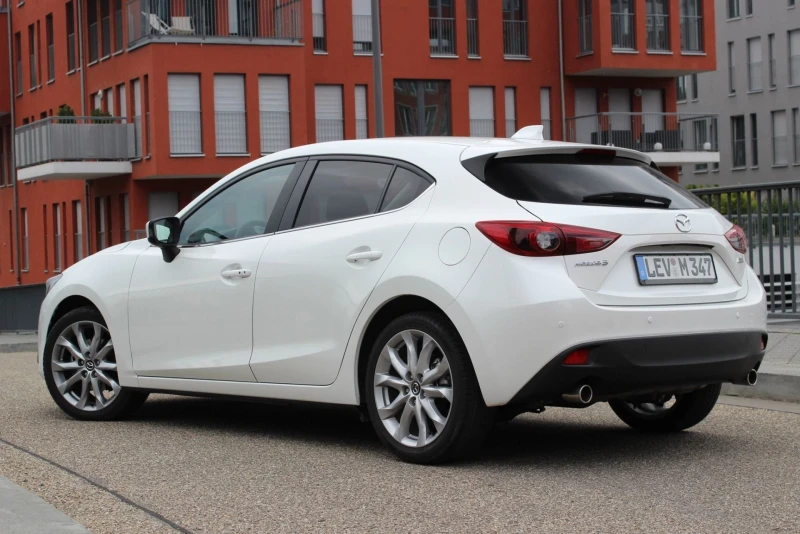
Used Market in the United States
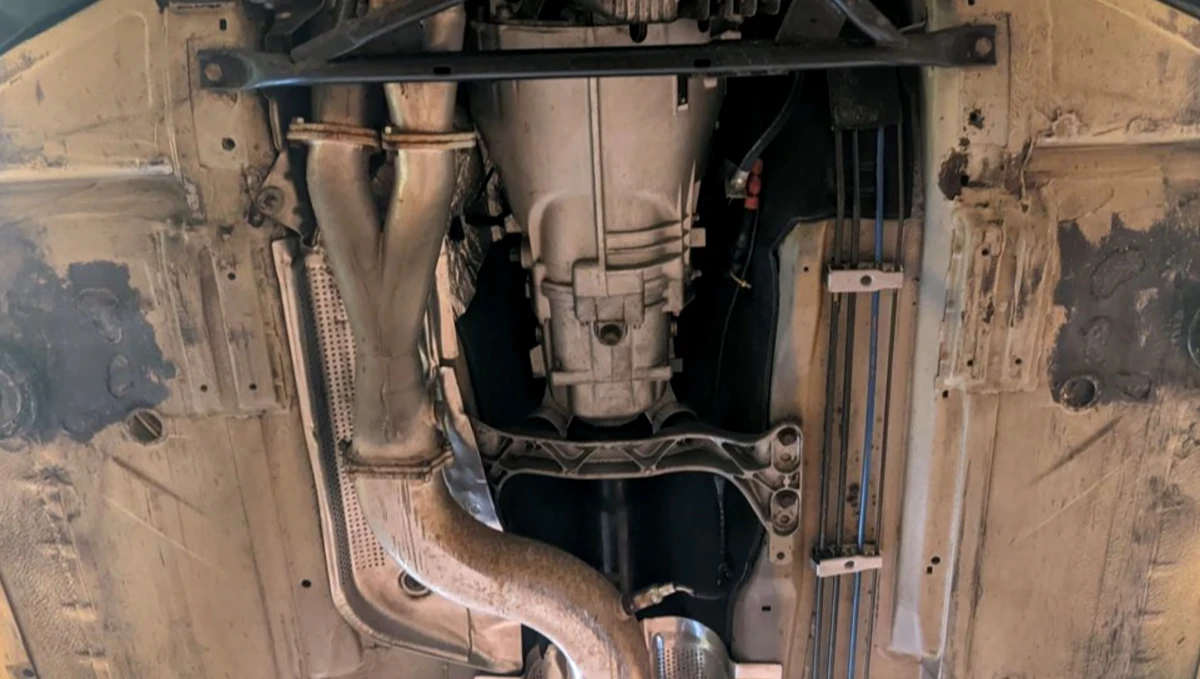
In the US, most third-gen Mazda 3s are domestic-spec cars with 90,000–160,000 miles. Rust is mainly a concern in the Rust Belt and coastal areas where road salt is heavily used — check wheel arches, rocker panels, and lower doors carefully. Thin paint means rock chips on the hood and front end are very common after 5–8 years.
Service records are critical: cars without documented maintenance often hide stretched timing chains, neglected CVT/6-speed automatic issues (jerky shifts), or worn suspension bushings. Verify originality via VIN; some parts are shared with older Ford platforms. Odometer rollback remains a risk — always run a professional pre-purchase inspection. Typical asking prices for clean examples range from $9,000–$18,000 depending on mileage, condition, and trim (most common are 2.0L Skyactiv-G with automatic in Touring or Grand Touring trim).
What Can Be Fixed & Budget to Bring It to Good Shape
Many of the Mazda 3’s weak points can be addressed. Adding aftermarket sound deadening in the doors, floor, and wheel wells can cut cabin noise by 10–20%. Upgrading to a newer head unit or interface module brings full wireless CarPlay/Android Auto. Worn seats and trim can be reupholstered or replaced with used OEM parts.
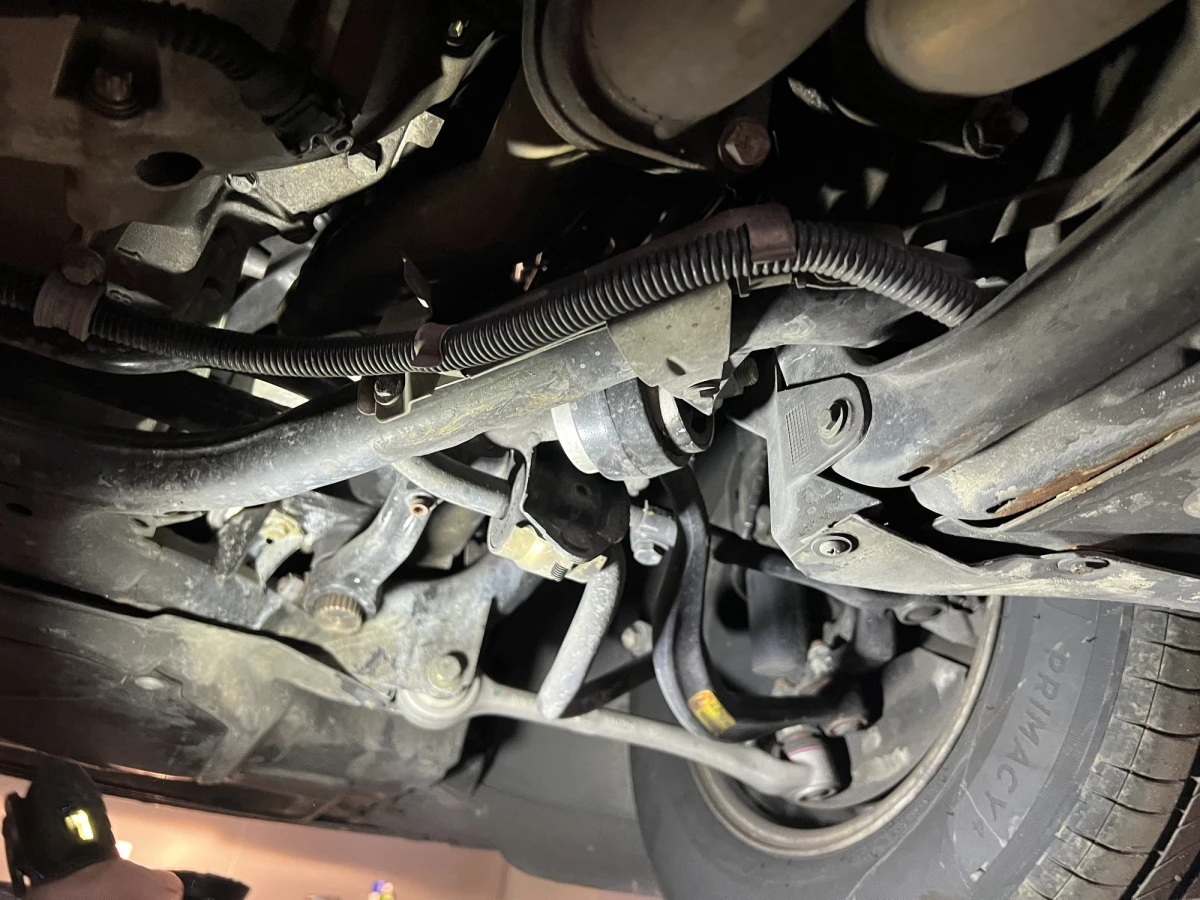
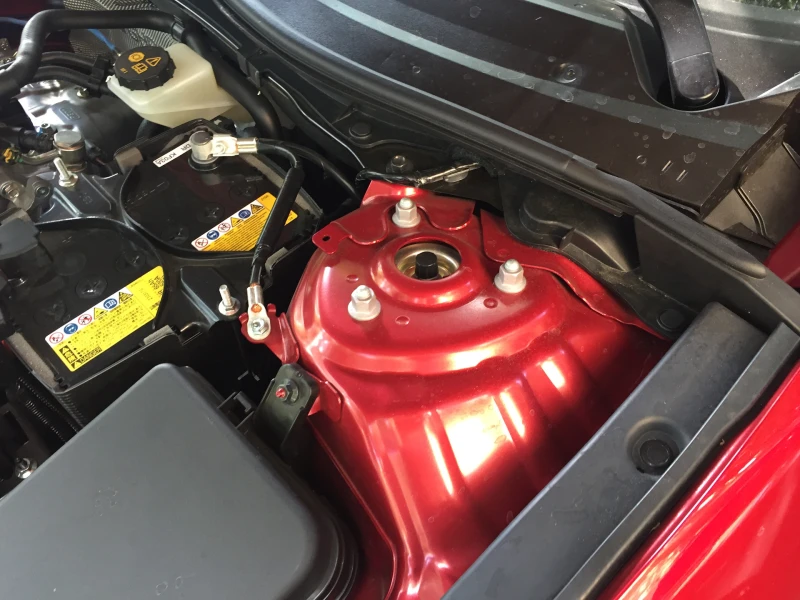
Suspension refresh (shocks, struts, sway bar links/bushings) dramatically improves ride quality on rough roads. Rust prevention — undercoating and cavity wax — is highly recommended for cars from salt states. Follow the maintenance schedule: oil changes every 5,000–7,500 miles with quality synthetic, regular brake inspections, etc.
When budgeting, plan an extra 10–20% of the purchase price for immediate needs (tires, brakes, sound deadening, alignment), plus 5–8% per year for ongoing maintenance. High-mileage examples (>130,000 miles) may require a larger reserve for potential transmission service or other big-ticket items.
Final Thoughts & Buying Advice
In 2026 the Mazda 3 III remains a compelling used-car choice for drivers who want engaging handling and solid Skyactiv powertrains — provided you buy carefully. Avoid early 2013–2015 cars unless they have impeccable records; 2017–2019 facelift models offer the best balance of refinements and reliability.
The sweet spot for most US buyers is the 2.0L Skyactiv-G (155–186 hp depending on year) paired with the 6-speed automatic (front-wheel drive; AWD was offered only on select later models). During inspection, closely examine the body for rust/chips, test-drive for transmission smoothness and suspension noises, scan for codes, and verify service history. A thorough inspection at a Mazda-specialist shop is strongly recommended to uncover hidden issues.