The 1990–2000 BMW 3 Series, better known as the E36, delivers classic rear-wheel-drive dynamics and sharp looks, but like most cars from that era it has several well-known weak spots. Common complaints include body rust, cooling system troubles, suspension wear and VANOS issues. This guide covers the major drawbacks, year-by-year differences, realities of the American used market, repair costs and smart buying advice. For full technical specs, performance numbers and interior photos see our other E36 coverage pieces. These used BMWs remain temptingly affordable, but thorough inspection is non-negotiable.
Key Drawbacks of the Generation
Main Weak Points
Used E36 owners consistently report several recurring issues. Fuel economy is higher than many modern compact sedans: gasoline engines (1.8–2.8 L) usually return 18–25 mpg combined in real-world city/highway driving — noticeable with current US fuel prices. The factory audio is very dated: cassette player, no touchscreen or navigation; aftermarket upgrades are popular but require work to integrate properly.
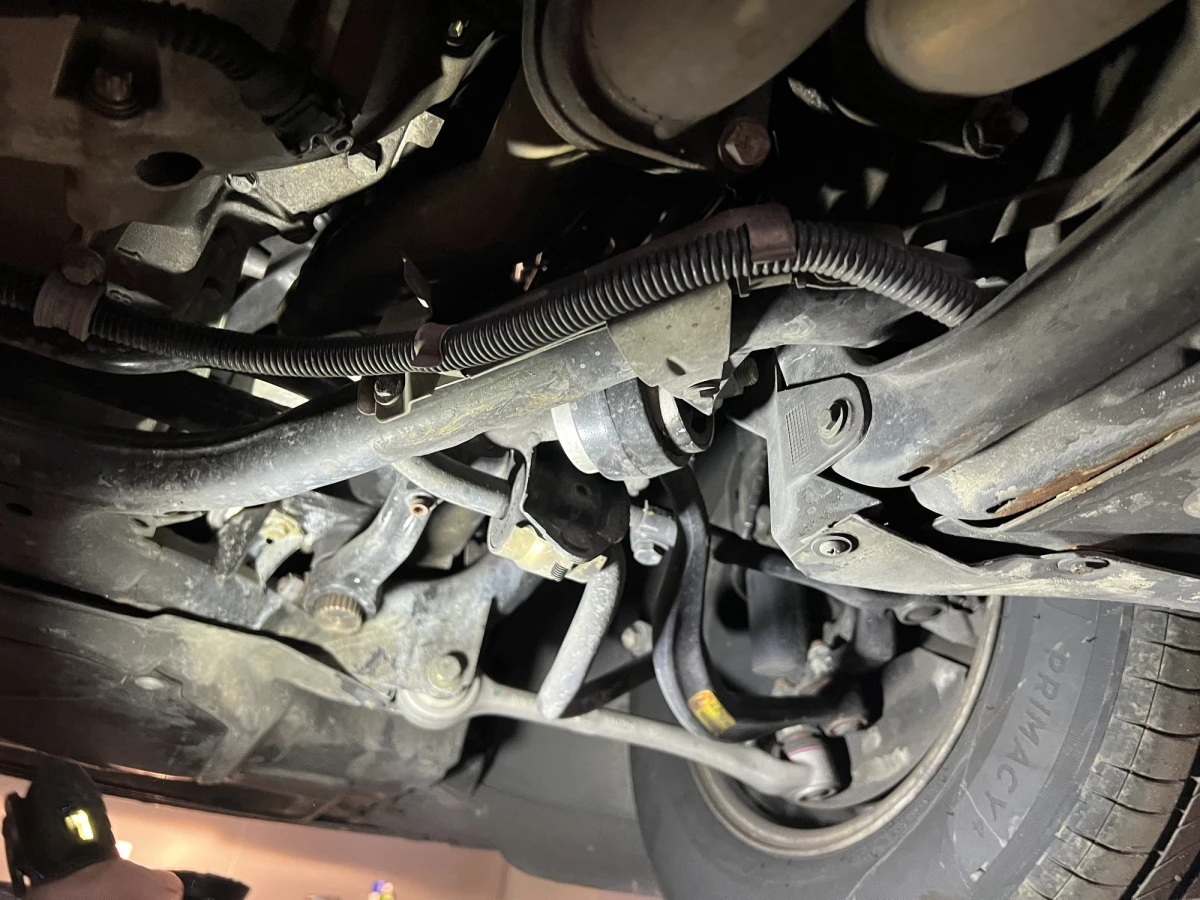
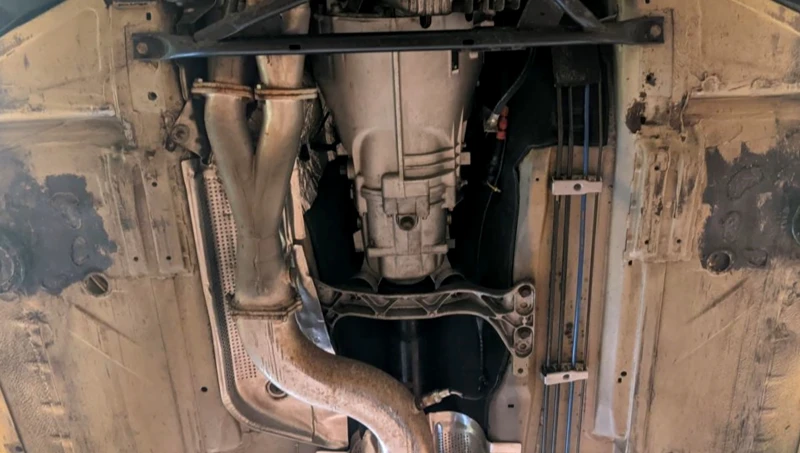
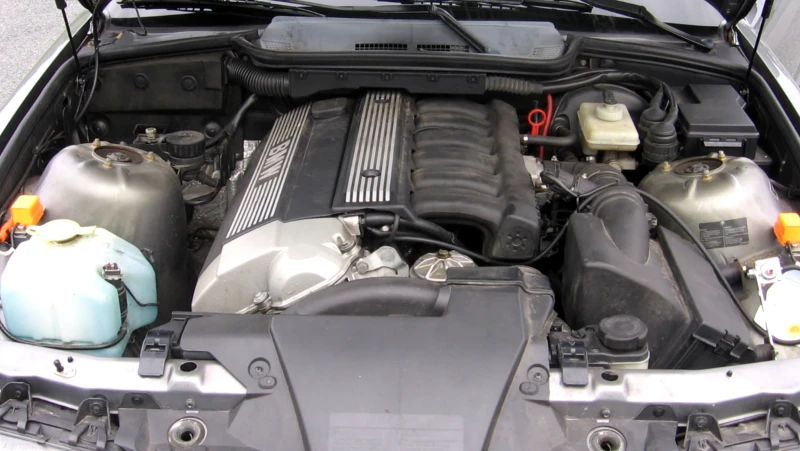
Rust is the single biggest concern: wheel arches, rocker panels, floor pan and subframes often suffer serious corrosion, especially in regions that use road salt. Road and wind noise become prominent above 60–70 mph due to modest sound insulation. Maintenance can get expensive: the multi-link suspension needs special tools, independent BMW shops charge premium rates, and genuine parts are costly (radiator $250–550, VANOS unit $600–1,200). Other frequent issues include cooling system failures (radiator, water pump, thermostat), oil consumption on M50/M52 engines (up to 1 qt per 1,000 miles), worn bushings, failing window regulators, pixelated instrument clusters, sagging headliners and peeling door card trim. Aggressive driving can even crack or separate the rear subframe.
Problems by Year & Variant
What to Watch For – Year & Model Breakdown
Early cars (1990–1994, pre-facelift) tend to have more trouble spots. 1990–1992 models are especially prone to overheating from undersized radiators, simpler electronics (no VANOS), and weaker sound deadening. Early M40 and M50 engines suffer from oil consumption and timing chain stretch. Automatic transmissions (4-speed) often shift harshly and need rebuilds.
Facelift models (1995–2000) benefit from revised VANOS (better performance but can rattle or fail), while the later M52 engines are generally more refined. The E36 M3 (3.2 L from 1995) is more robust mechanically but still has its quirks. 325tds diesels are rare in the US and parts can be hard to source. Approach 1990–1993 examples with extra caution — insist on cooling system and rust inspection. Later 1998–2000 cars usually present fewer immediate problems.
| Years | Major Issues | Recommendation |
|---|---|---|
| 1990–1994 | Overheating, oil consumption, heavy rust | Avoid unless fully documented & rust-free |
| 1995–1997 | VANOS noise, electrical gremlins | Verify service records |
| 1998–2000 | Fewer acute problems, but still age-related wear | Preferred years |
US Used Market Realities
Buying a Used E36 in the United States
On the American used market E36 examples (hundreds listed on major sites in early 2026) demand close attention to rust — especially in the Rust Belt and northern states where salt is used heavily in winter. Potholes and rough roads accelerate suspension wear on the complex multi-link setup. Service history is often spotty; always run a VIN check and prefer cars with documented maintenance. Many have aftermarket parts — some work well, others cause issues with VANOS or electronics. Oil changes should be done every 5,000–7,500 miles; neglected cars frequently overheat.
Mileage tampering is not uncommon (true figures often exceed 200,000 miles); cross-check with wear items and service records. Some cars have non-factory modifications or questionable M3 conversions. Most examples on the market are gasoline-powered; diesel versions are extremely rare in the US. Approximate market prices for decent examples range from $4,000 to $12,000 depending on condition, mileage and model — with clean, lower-mile 1998–2000 cars at the higher end. Approximate market price for the United States: $5,000–$10,000 for average condition examples.
Fixable Issues & Realistic Repair Budget
Cost to Bring One to Solid Condition
Many E36 problems are repairable. Additional sound deadening — $400–900. Modern head unit with CarPlay/Android Auto — $300–700. Routine maintenance (filters, oil, fluids) — $150–350 per visit. Rust repair (rocker panels, arches) — $800–2,500 depending on severity. Cooling system refresh (radiator, pump, thermostat) — $500–1,200. VANOS rebuild — $600–1,200. Suspension refresh (bushings, control arms) — $800–1,800.
Budget for a solid driver: $6,000–$11,000 purchase price. Plan $1,000–$2,500 in immediate repairs (cooling, rust, suspension). Expect $500–$1,000 per year for ongoing maintenance. M3 variants usually add $1,500–$3,000 to initial setup costs for performance parts.
Final Verdict: Is It Worth Buying & Which Ones to Target or Avoid
Buying Recommendations
The E36’s drawbacks are manageable and well-understood. It remains a rewarding choice for enthusiasts on a $6,000+ budget who enjoy driving and are prepared to invest in maintenance. The sweet spot is usually a 1995+ facelift model — especially a 320i or 328i with rear-wheel drive. Avoid early 1990–1994 cars unless they have exceptional documentation and no rust. US-market diesels are best skipped due to parts availability. During inspection: do a thorough test drive checking for overheating and odd noises, inspect underside for corrosion, check suspension play, test all electrics, and verify VIN history. With proper care these cars can still deliver decades of enjoyment — just budget accordingly.