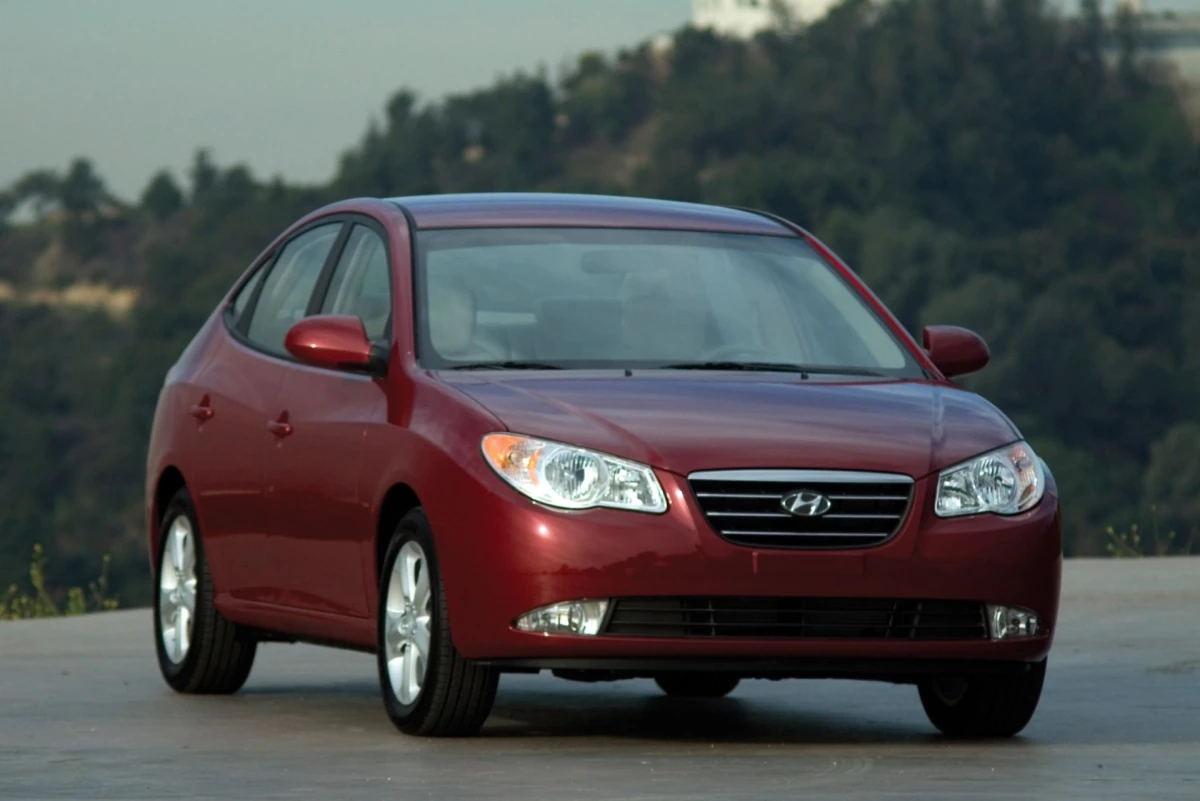



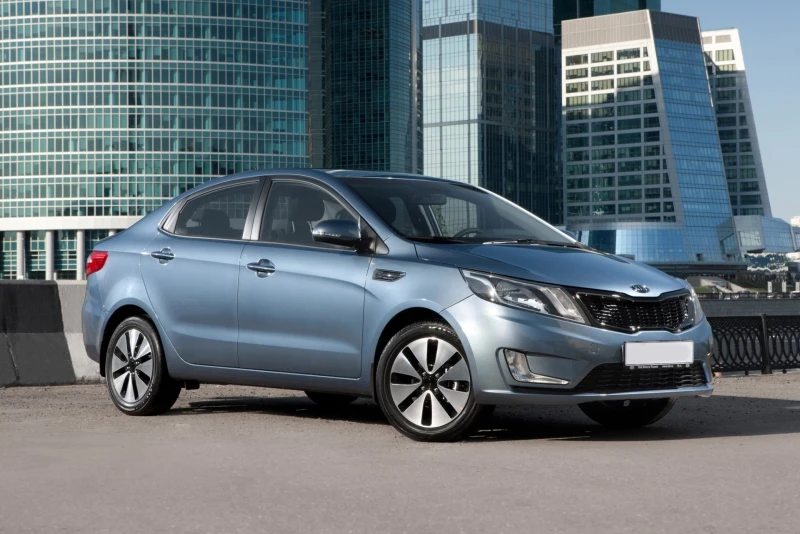
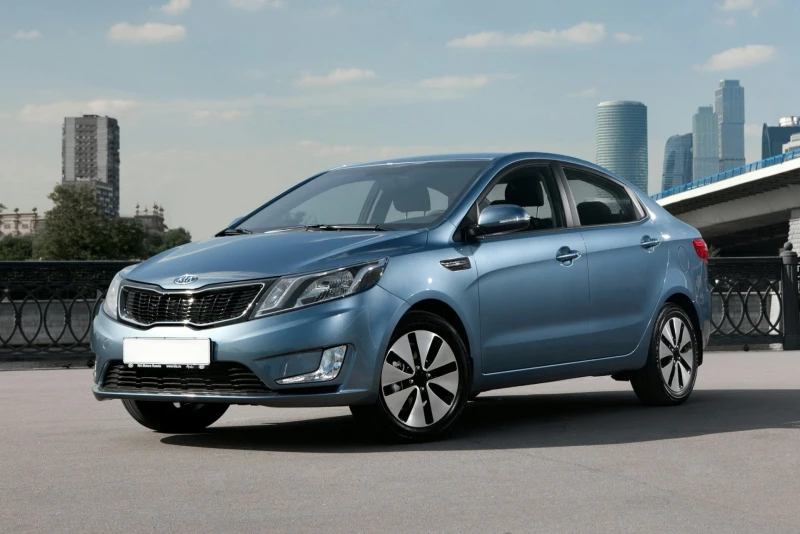
This article dives into the main drawbacks and quirks of the Kia Rio III generation, drawn from real owner experiences and typical US driving conditions. It helps potential buyers weigh the risks when shopping for a used model. Common search terms like Kia Rio problems, 2011–2017 issues, and used Kia Rio often pop up in owner forums and discussions. For full specs, tech details, and interior photos, check out our other guides in the series.
Main Drawbacks & Generation Highlights
Owners of the Kia Rio III frequently mention several traits that affect everyday driving. Real-world fuel economy for the Gamma 1.4 and 1.6L gasoline engines in city driving typically ranges from 22–28 mpg, depending on driving style, traffic, and climate — often higher than the EPA estimates in heavy stop-and-go conditions. In winter, especially with heater use and cold starts, expect a drop of 2–4 mpg. On the highway, figures improve to 35–40 mpg, though heavy loads or high speeds push consumption up. Diesel U-Line CRDi versions (mostly grey-market imports from Europe) achieve better economy but are extremely rare in the US.
Early infotainment systems with 5–7 inch screens can feel sluggish, particularly when using navigation (if equipped). Smartphone integration is limited in base trims, and software updates were not always widely distributed. Sound insulation is average for the class: road and tire noise become noticeable above 50 mph, and wind noise intrudes at highway speeds, which can become fatiguing on long drives like those on I-95 or I-10.
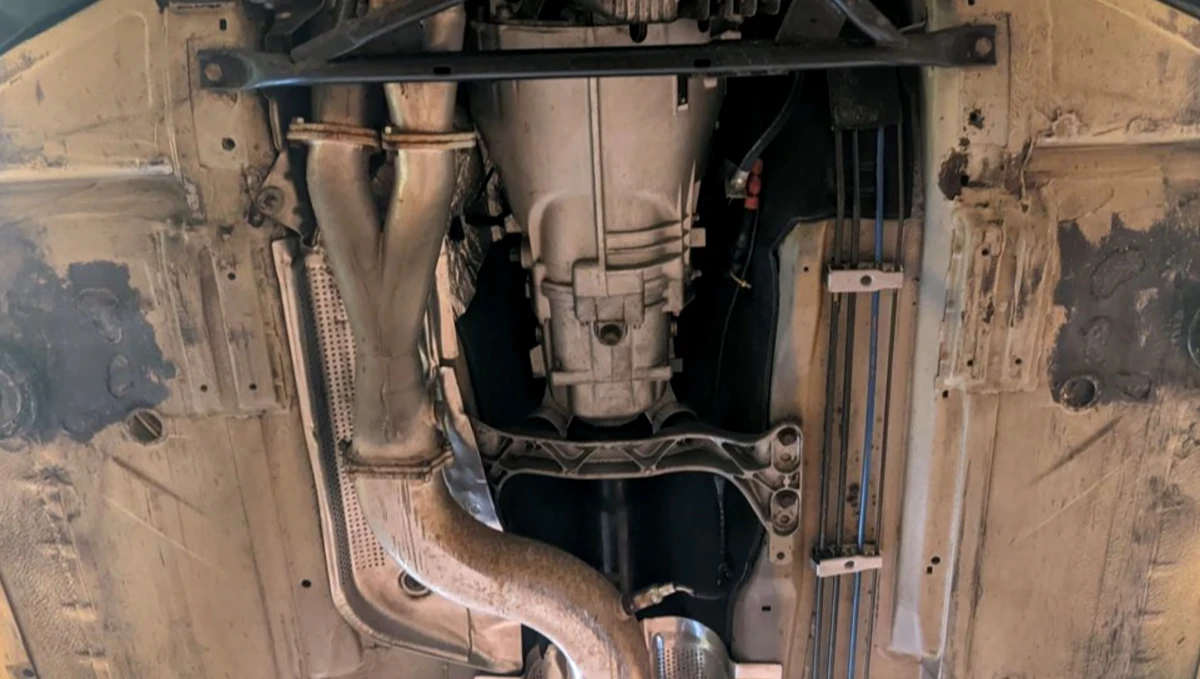
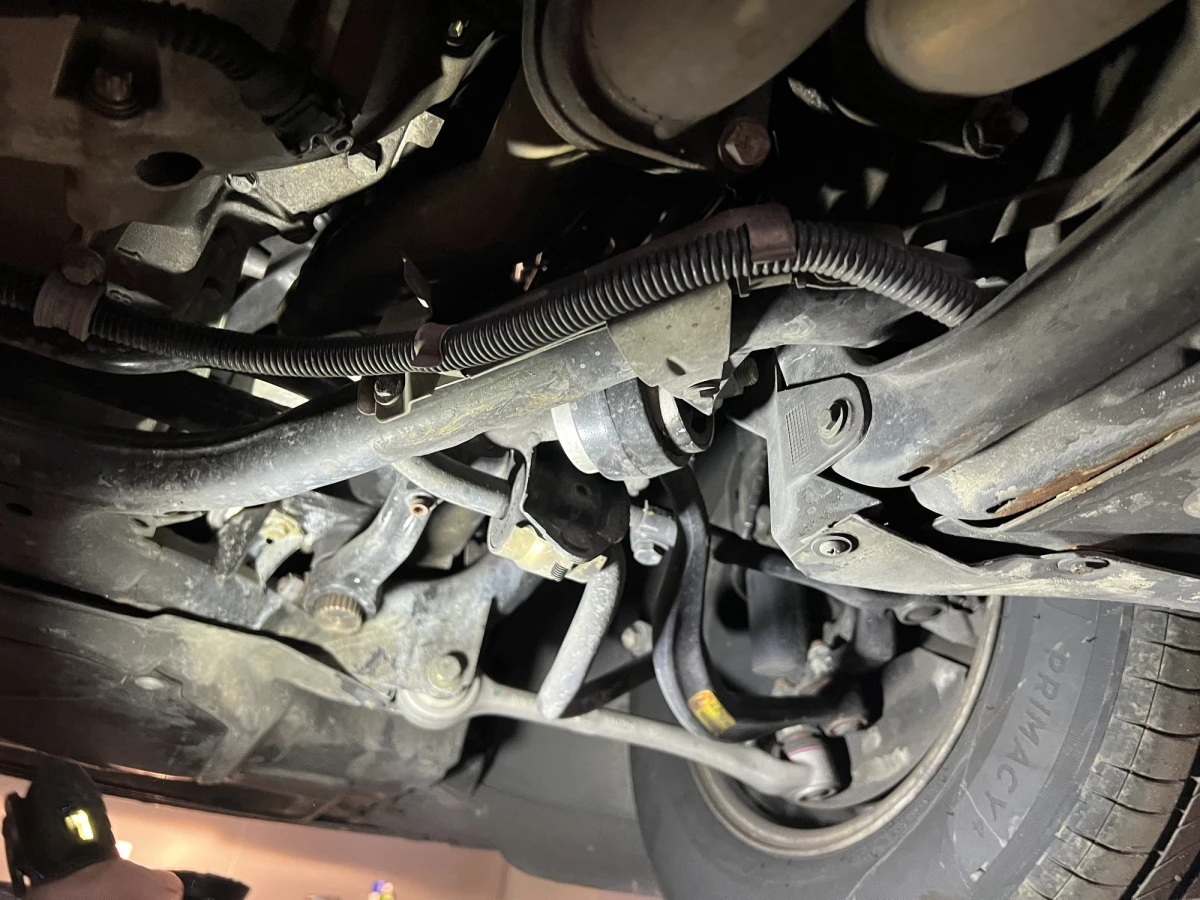
Interior materials are decent for a budget compact, but the hard plastics scratch easily, and the thin paint is prone to chips and door dings. Maintenance difficulty is moderate: the Gamma engines need regular oil changes, and some suspension components require special tools for access. Parts prices for body panels (headlights, bumpers) and electronics are reasonable — many Hyundai-sourced equivalents are available and cheaper, though OEM parts cost more. Routine service costs are affordable, but surprise repairs (such as automatic transmission issues or wheel bearings) can add up quickly.
Model Years & Versions — Red Flags to Watch
Early 2011–2014 models (pre-facelift) are more likely to show issues like premature wheel bearing wear (often between 10,000–30,000 miles), jerky shifting in the four-speed automatic, and occasional coolant leaks. Some 2012–2013 cars were subject to recalls involving brakes and electrical components (sensors, power windows).
Facelifted 2015–2017 models received better noise insulation, an upgraded infotainment system, and smoother six-speed transmissions (both automatic and manual), which are noticeably more reliable than the older four-speed unit. The electronics are more robust, and the Gamma MPi engines have fewer fuel system complaints. Diesel variants are virtually nonexistent in the US. Overall, post-2015 cars are considered the safer bet on the used market.
The US Used Car Market for This Generation
On the American used market, most Kia Rio III examples are North American–spec vehicles (or Canadian imports), typically with 90,000–180,000 miles. Body condition varies widely depending on region and road exposure: cars from the Rust Belt or northern states often show corrosion on wheel arches, rockers, and underbody due to road salt, while southern and western examples (California, Arizona, Texas) tend to have cleaner sheet metal but may suffer from sun damage and clear-coat fade. Thin factory paint means rock chips on the hood and front bumper are very common after 5–7 years.
Service records are critical: cars without documented maintenance are at higher risk for hidden issues like timing chain stretch or transmission problems. Check VIN for originality; many Hyundai-compatible parts interchange. Odometer rollback remains a concern — always run a vehicle history report and have a pre-purchase inspection. Most examples are 1.6L Gamma (120–138 hp) sedans with automatic transmission in mid- or higher trims (LX, EX, SX). Approximate market prices in 2026 range from $4,500–$9,500 depending on mileage, condition, and location (higher in low-rust states).
What You Can Fix — Realistic Costs to Get It Right
Many of the Rio’s common complaints can be addressed. Adding aftermarket sound deadening to the wheel wells and doors can cut cabin noise by 10–15 dB. Upgrading the head unit to a modern unit with Apple CarPlay and Android Auto eliminates lag and adds modern features.
Worn interior trim (seats, plastics) can be replaced with aftermarket parts or reupholstered. Suspension refresh — new shocks, struts, and bushings — dramatically improves ride quality on rough roads. Rust prevention includes undercoating the underbody and wheel wells, especially important for cars from salt-belt states. Follow the maintenance schedule: oil changes every 6,000–7,500 miles and regular brake inspections.
When buying, budget an extra 10–20% of the purchase price for immediate needs (tires, brakes, suspension, sound deadening), plus 5–10% annually for ongoing maintenance. High-mileage examples (>120,000 miles) may require a larger reserve for major components like the transmission or engine work.
Final Thoughts & Buying Advice
In 2026, the Kia Rio III remains a sensible choice for budget-conscious buyers looking for an economical city commuter with low running costs — provided you buy carefully. Early 2011–2014 models demand extra scrutiny of wheel bearings, the automatic transmission, and rust, while 2015–2017 facelift cars offer a better balance of reliability and features.
The sweet spot is usually a 1.6L Gamma engine with the six-speed automatic (front-wheel drive). During inspection, check the body for rust and chips, test-drive for transmission smoothness and suspension noises, scan for codes, and verify service history. A thorough pre-purchase inspection at a trusted independent shop is strongly recommended to uncover hidden issues.