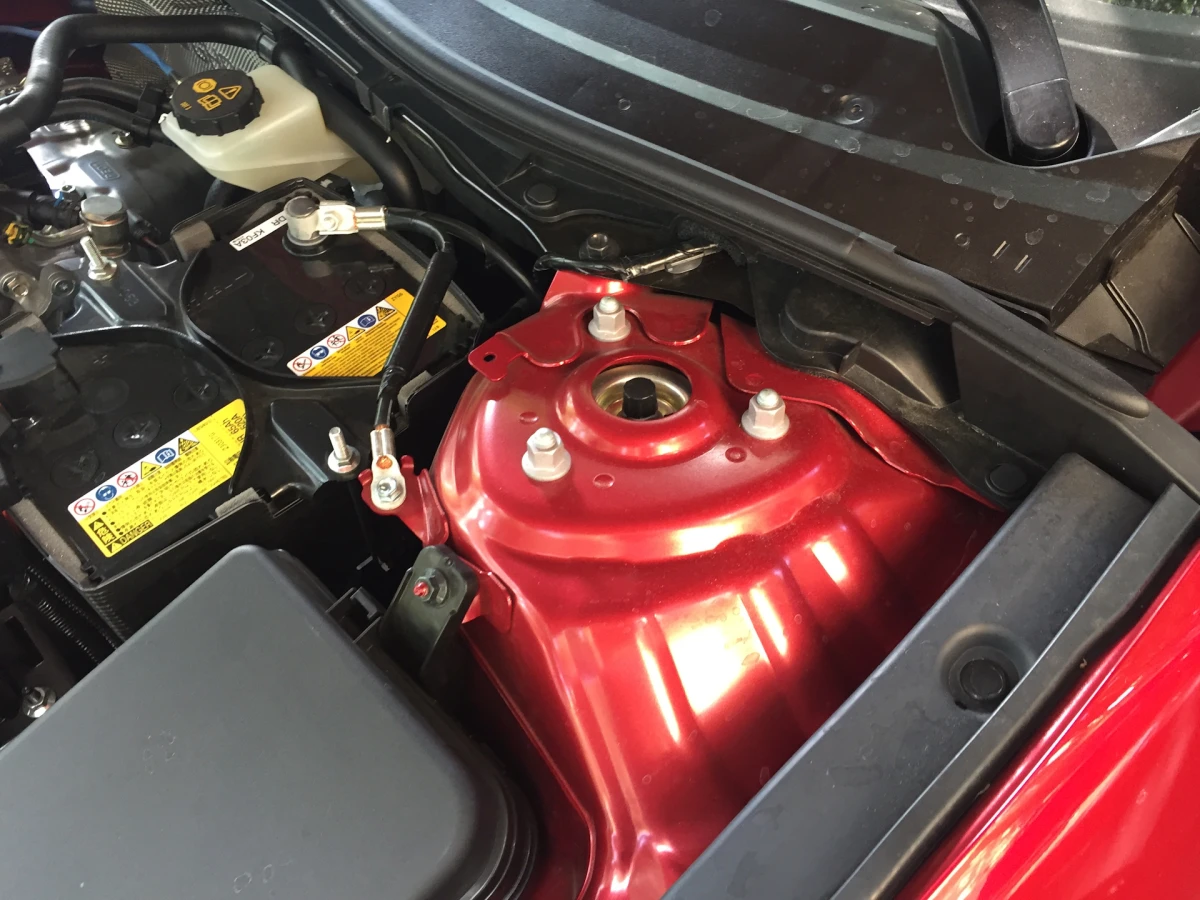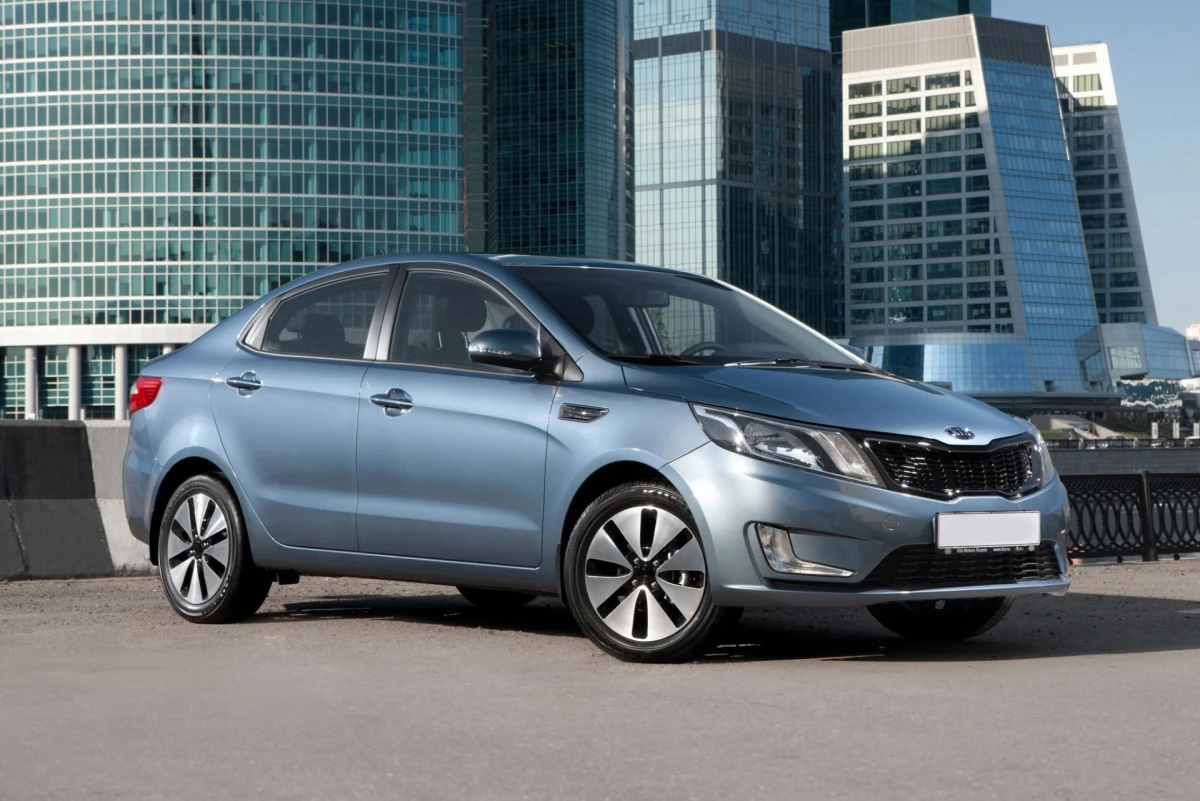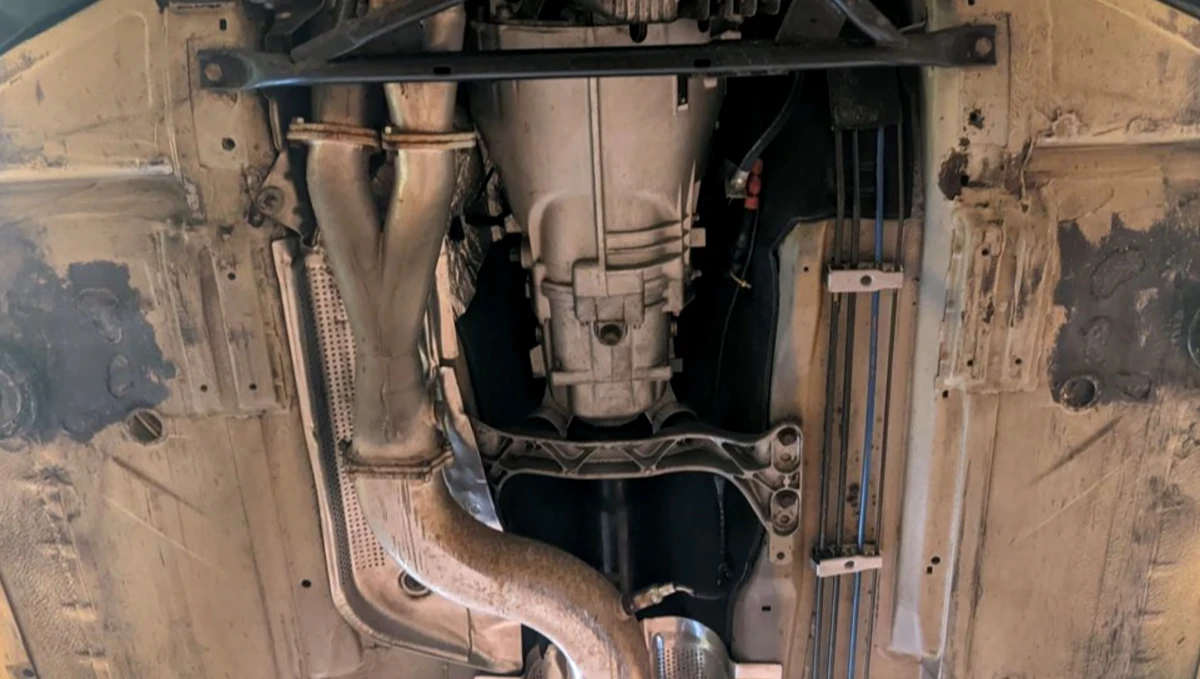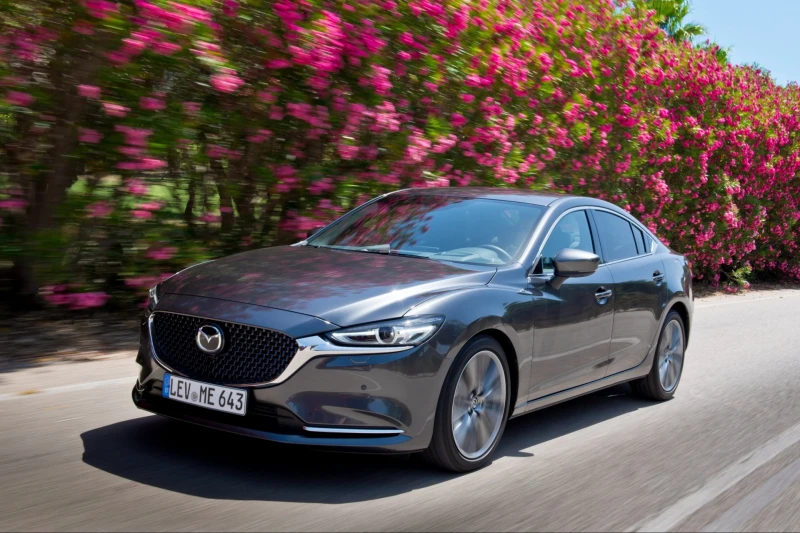
This article breaks down the main drawbacks and common issues of the Mazda 6 third generation, based on real owner feedback and US market driving conditions. It helps potential buyers understand the risks when shopping for a used example. Popular search terms like Mazda 6 III problems, Mazda 6 2012–2024 issues, and used Mazda 6 often appear in owner discussions. For full specs, interior photos, and technical details, check our other articles in the series.
Key Drawbacks and Standout Characteristics
Mazda 6 III owners frequently mention several traits that impact day-to-day ownership. Fuel economy for the Skyactiv-G 2.0 and 2.5-liter gasoline engines typically ranges from 22–28 mpg in city driving, depending on traffic and driving style—often higher than EPA estimates in stop-and-go conditions. On the highway, figures improve to 34–38 mpg, though heavy loads or aggressive driving push consumption up. Diesel Skyactiv-D 2.2 models (mostly gray-market imports) offer better efficiency but remain rare in the US.
The infotainment system with 7–10.3-inch screens in early models can feel sluggish, especially with navigation. Software updates are often needed for smooth Apple CarPlay and Android Auto integration, and base trims may lack built-in navigation entirely. Sound insulation is average: road and wind noise become noticeable above 65 mph, particularly from the wheel wells, which can affect long-distance comfort.
Interior materials hold up reasonably well, but the paint is relatively thin and prone to chips and scratches. Skyactiv technology makes some maintenance more specialized—valve adjustments and certain suspension components require specific tools. Body parts (bumpers, headlights) and electronics tend to be pricier than average, though aftermarket options exist with varying quality. Routine maintenance costs remain manageable, but major repairs—like transmission or suspension work—can add up quickly.
Model Years and Versions — Red Flags to Watch For
Early 2012–2015 models (pre-facelift GJ) are more likely to show oil consumption or minor leaks in the 2.5-liter Skyactiv-G engines, cooling system issues, and exhaust component rust. Some 2013–2014 cars were subject to recalls involving brakes and electronics (sensors, mirrors).
Post-2015 facelift models received better noise insulation, upgraded infotainment, and reinforced body panels. The high-compression engines became more consistent with oil use, and i-Activsense safety features grew more reliable. The 2018 facelift (GL) introduced the turbocharged 2.5 Skyactiv-G, though these are less common in the used US market and require careful turbo inspection. Overall, 2018–2024 examples are widely regarded as the most dependable on the used market.
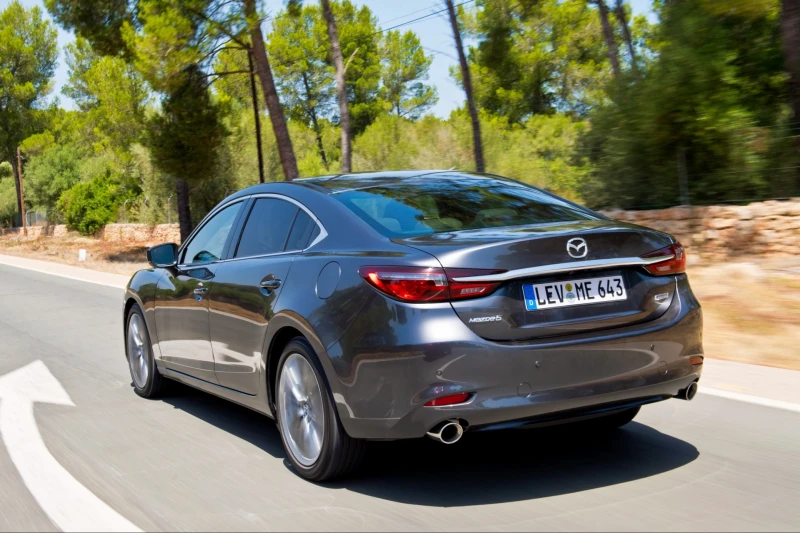
Used Market in the United States
On the US used market, third-generation Mazda 6 models are mostly North American spec with mileages typically between 120,000–220,000 miles. Body condition varies widely depending on region: in Rust Belt states with heavy winter salting (like the Midwest or Northeast), wheel arches, rockers, and underbody corrosion can accelerate. Thin paint means hood and door chips are common after 7–10 years.
Service records are critical—cars without documented maintenance may hide issues like timing chain stretch or Skyactiv-Drive automatic transmission slippage. Verify parts originality via VIN; many aftermarket components fit but quality varies. Odometer rollback remains a concern—always run a vehicle history report and professional inspection. Most examples are sedans with the 2.5 Skyactiv-G (around 184–187 hp in later years), automatic transmission, and front-wheel drive (AWD was limited to specific markets). Approximate market prices for decent examples range from $8,000–$22,000 depending on year, mileage, and condition (orientative market price for the United States).
What Can Be Fixed and Budget for Good Condition
Many Mazda 6 III quirks are addressable. Adding aftermarket sound deadening to wheel wells, doors, and floor can cut cabin noise by 10–20%. Upgrading the infotainment to support wireless CarPlay/Android Auto eliminates lag and adds modern features.
Worn interior trim (seats, plastics) can be replaced or reupholstered. Suspension refresh—shocks, bushings, control arms—greatly improves ride quality on rough roads. Rust prevention with underbody coating is highly recommended in salt-belt regions. Routine service includes oil changes every 5,000–7,500 miles, filter replacements, and brake inspections.
When buying, budget 15–25% of the purchase price for initial fixes (sound deadening, suspension refresh), plus 5–10% annually for maintenance. Higher-mileage examples (>150,000 miles) may need more investment, potentially including major components like the transmission or turbo (on applicable models).
Conclusions and Buying Advice
In 2026, the Mazda 6 III remains a compelling choice for drivers wanting a fun-to-drive midsize sedan or wagon with standout looks, provided you choose carefully. Early years (2012–2015) demand extra scrutiny for oil issues, rust, and brakes, while 2018–2024 facelifted models offer the best balance of reliability and refinement.
The sweet spot for most US buyers is the naturally aspirated 2.5 Skyactiv-G (around 184–187 hp) paired with the Skyactiv-Drive automatic and front-wheel drive. During inspection, check the body for rust and rock chips, test-drive for transmission smoothness and suspension noises, scan electronics (including i-Activsense), and review full service history. A pre-purchase inspection at a Mazda-specialist shop is strongly recommended to uncover hidden issues.