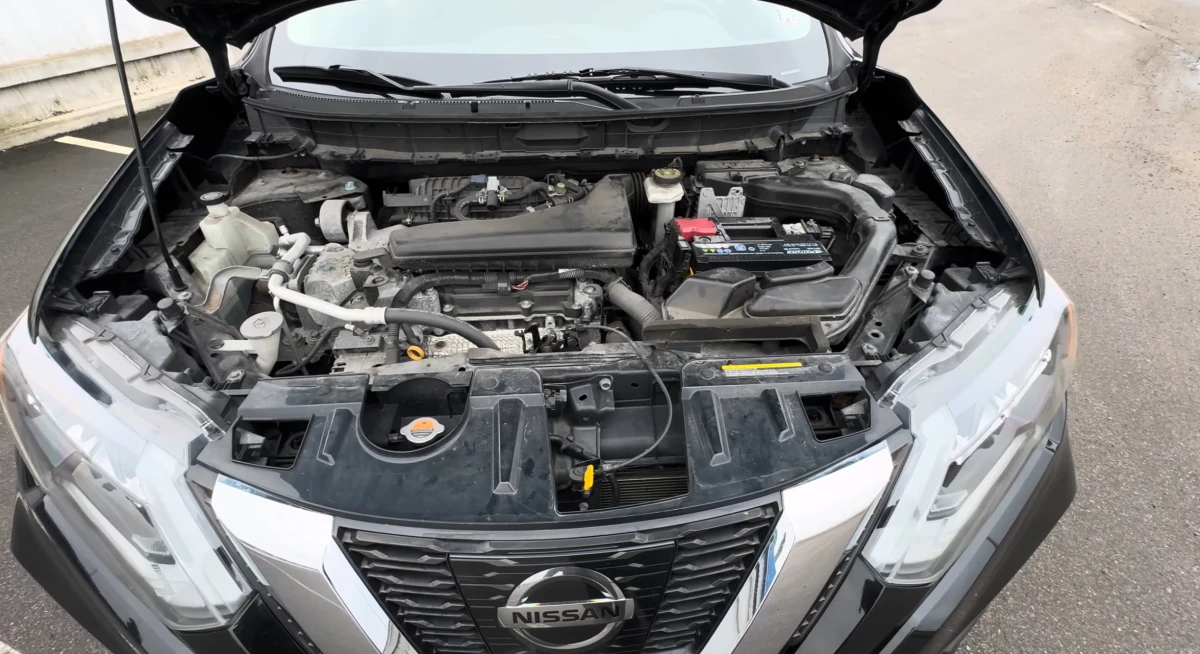



The 2007–2013 Nissan Rogue came with several classic early-2000s Japanese crossover issues: questionable transmission durability, interior wear, and body vulnerabilities. A used Nissan Rogue can be an affordable compact SUV, but a thorough inspection of critical components is essential to avoid expensive repairs down the road. For full specs, interior photos, and driving impressions, check our other reviews. Here we break down the main pain points, year-specific troubles, US-market realities, repair possibilities, and smart buying tips.
Key Weak Points of the Generation
The first-generation Nissan Rogue (2007–2013) tends to show the same set of problems on most vehicles after 60,000–90,000 miles. Many stem from design choices focused on American-market comfort rather than extreme long-term durability.
- Unreliable CVT transmission: The Jatco continuously variable transmission is the biggest weak link. Overheating in heavy traffic or during aggressive driving causes judder, hesitation, whining, and eventual complete failure. Owners frequently report power loss on the highway — a real safety concern. Typical lifespan without proper care: 60,000–100,000 miles (fluid & filter changes every 25,000–35,000 miles strongly recommended).
- Disappointing fuel economy: The 2.5-liter QR25DE four-cylinder returns real-world averages of about 20–23 mpg combined — noticeably thirstier than many rivals in the class. City driving often drops into the high teens.
- Poor sound insulation: Road, wind, and engine noise become quite noticeable above 60 mph, especially on rough pavement common across many states.
- Outdated infotainment & navigation: Early models came with basic audio systems, rarely including touchscreen or Bluetooth. Factory navigation (when present) is obsolete and lacks current maps.
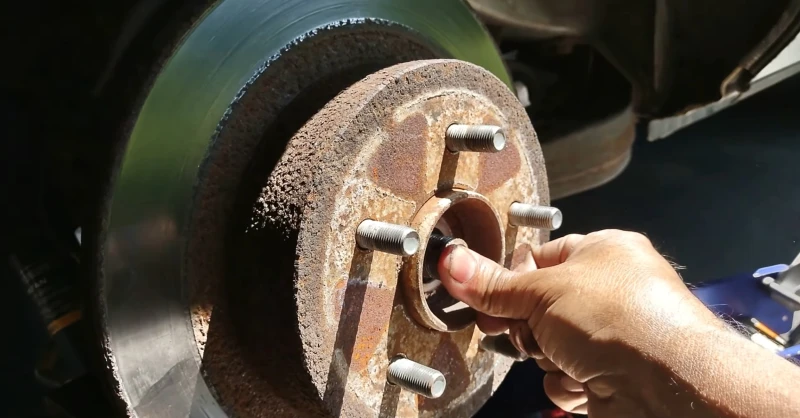
- Body corrosion: Thin factory paint leads to chips, followed by rust on rocker panels, wheel arches, and underbody — especially on vehicles from salt-belt states.
- A/C and HVAC failures: Compressor clutch issues, refrigerant leaks, and weak airflow are common after 60,000–70,000 miles.
- Engine oil consumption: After ~90,000–100,000 miles the QR25DE can develop oil burning due to stuck piston rings.
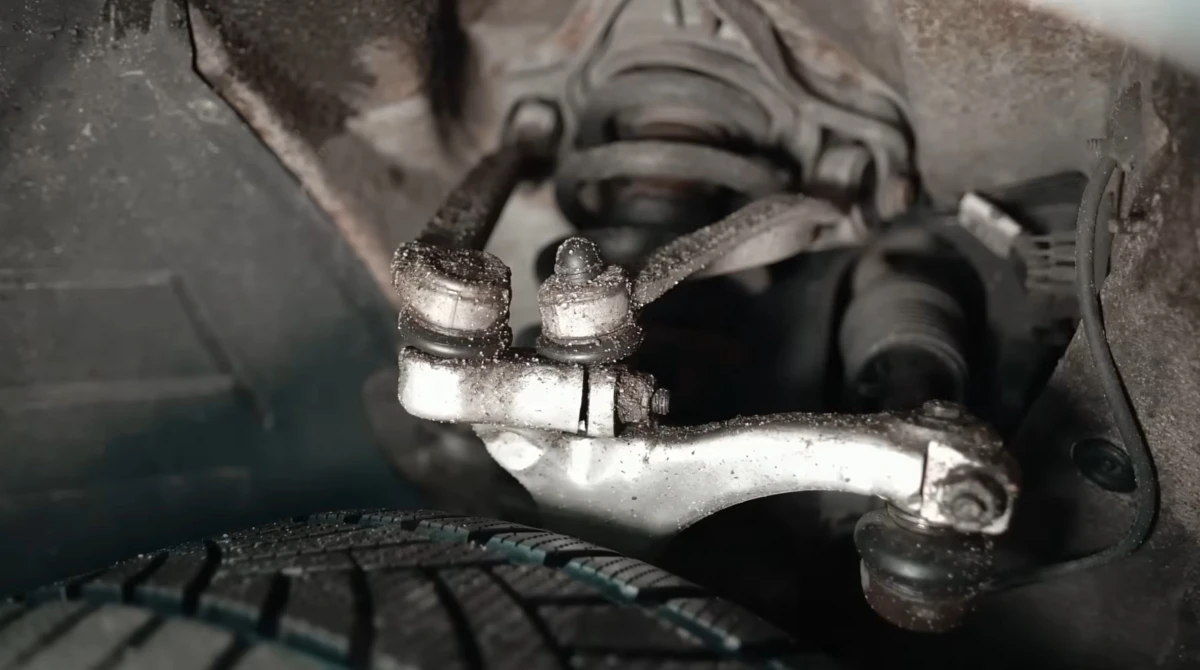
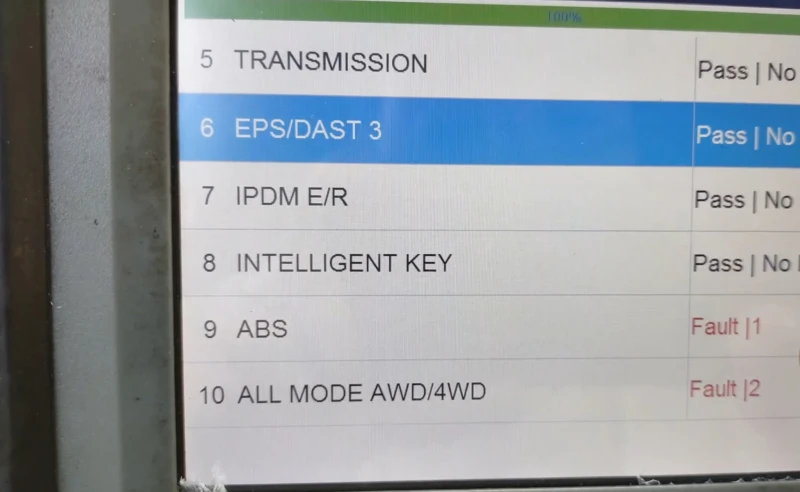
- Other annoyances: Inaccurate fuel gauge, panoramic sunroof leaks/noise, worn suspension bushings & shocks, occasional ABS sensor failures.
Despite these drawbacks, the Rogue remains reasonably simple and inexpensive to maintain when the major items are addressed proactively.
Model Years & Versions: What to Scrutinize
Problems with the 2007–2013 Nissan Rogue vary noticeably depending on the production year. Pre-facelift models (2007–2010) generally have more complaints, while the 2011 refresh brought modest improvements — but didn’t eliminate the core issues.
- 2007–2010: Highest risk years. Weaker CVT cooling, poorer electronics reliability, louder cabin, earlier A/C failures, and more oil consumption. Approach these with extra caution and insist on full transmission diagnostics.
- 2011–2013 (facelift): Noticeable improvements — better CVT cooling, quieter interior, more USB/Bluetooth availability in higher trims. That said, 2013 still shows a spike in transmission complaints (including sudden power loss) according to NHTSA data. Panoramic sunroofs in 2012–2013 models sometimes crack or leak.
Overall, earlier years demand stricter maintenance history checks, while late 2013 examples require especially careful CVT inspection. Most used Rogues on the market today show 120,000+ miles, so risks increase accordingly.
The Used Market in the United States
In the US, most 2007–2013 Nissan Rogues come from private sales, dealer lots, or auction purchases — many with previous accident history or high mileage. Local factors like road salt (northern states), poor rural pavement, and varying fuel quality accelerate wear. Pay special attention to:
- Body condition: Rust on rockers, wheel arches, and floorpan — especially in salt-belt regions. Check hidden areas and paint thickness.
- Service records: Full history is rare; demand receipts for CVT fluid/filter changes. Neglected maintenance almost guarantees early transmission death.
- Parts availability: Aftermarket parts are plentiful and affordable; OEM CVT units remain expensive ($3,500–$6,000 installed). Many Qashqai-compatible components help lower costs.
- Maintenance intervals: Most US owners do oil changes every 5,000–7,500 miles; CVT service ideally every 25,000–35,000 miles.
- Actual mileage: Odometer rollback happens; always pull a CARFAX/AutoCheck report and inspect pedal/seat wear.
- Trim & drivetrain authenticity: AWD models are popular but rear differential couplings can clunk when worn.
- Accident history: Many auction vehicles have frame or structural damage — get a professional pre-purchase inspection.
- Market prices: Clean examples typically range $5,000–$10,000 depending on mileage, condition, and location (higher in low-rust southern/western states).
Because most Rogues were originally sold in the US, local parts and knowledge are widespread — but thorough inspection remains non-negotiable.
Ownership & Repair Budget Expectations
Approximate market price range for a decent 2007–2013 Nissan Rogue in the United States today: $6,000–$11,000.
| Issue | Fix | Approximate Cost (USD) |
| CVT (judder, overheating) | Fluid & filter change; repair or full replacement | 250–5,500 |
| Sound deadening | Additional door/floor insulation | 400–800 |
| Infotainment | Modern Android aftermarket head unit | 250–550 |
| Corrosion | Undercoating + rust repair/paint | 500–1,200 |
| A/C system | Recharge or compressor replacement | 150–700 |
| Oil consumption | Engine decarbonization or ring job | 400–1,500 |
Budget an extra $1,000–$2,500 on top of purchase price for immediate catch-up maintenance and upgrades. Annual routine service usually runs $250–$450.
Final Thoughts & Buying Advice
The first-generation Nissan Rogue (2007–2013) can still make sense as an inexpensive AWD compact crossover — but only if you buy smart. It works well for city commuting and light weekend trips provided the CVT has been properly maintained, mileage is realistic (under 130,000 miles is preferable), and rust is minimal. Stay away from early 2007–2010 examples without clear service history — CVT and engine risks are too high. The sweet spot is usually a 2011–2013 SV or SL trim with AWD: better sound insulation, more features, and slightly refined CVT calibration. Treat 2013 models with extra suspicion regarding transmission health.
During inspection: perform a thorough test drive (feel for CVT hesitation/judder), check body for rust bubbles, scan all modules, and always review CARFAX. When everything checks out — it’s a reasonably capable budget SUV for the money. When it doesn’t — repair bills can quickly erase any savings. A used first-gen Rogue is best suited for buyers willing to stay on top of maintenance.