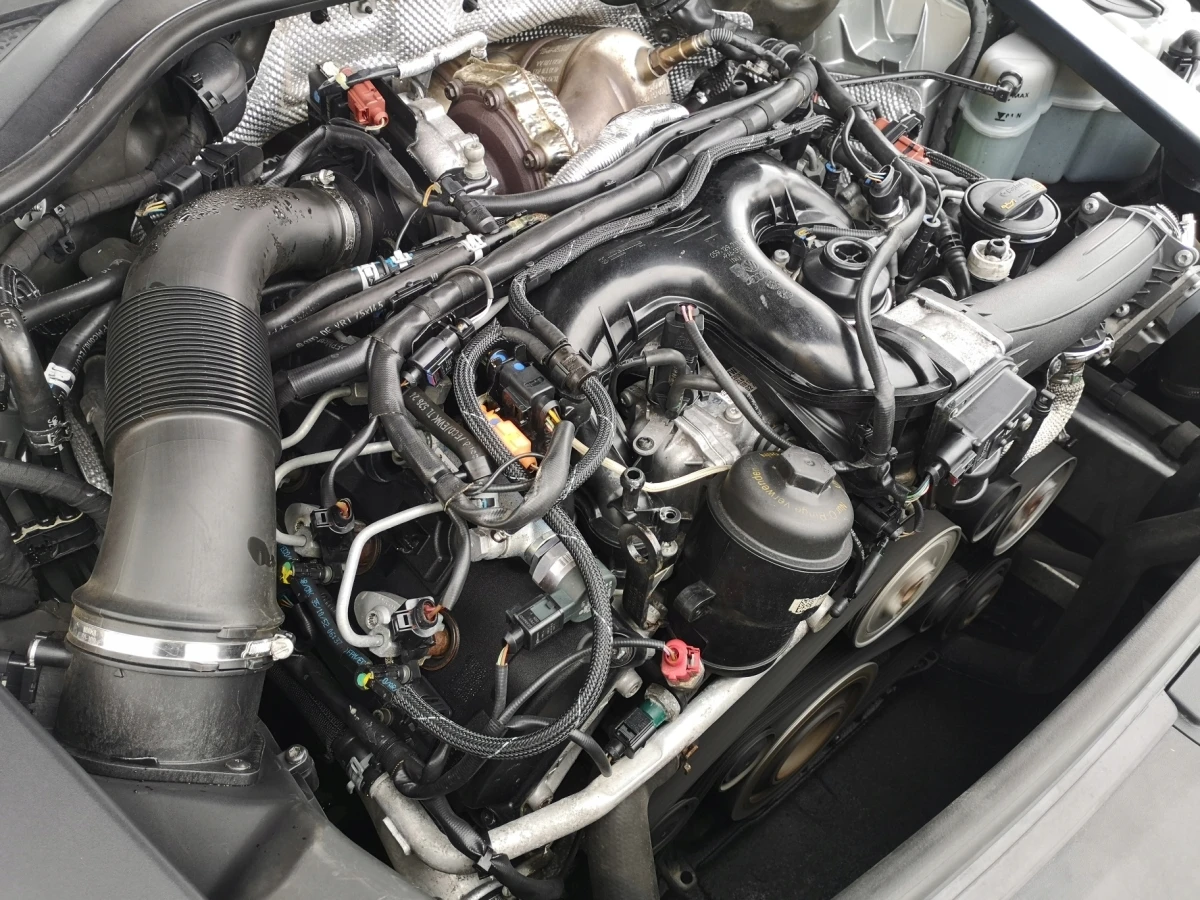
Audi A4 B7 common issues in the third generation (Typ B7) include several well-known problems that owners encounter across the globe, including here in the United States. While the model earned a solid reputation for its era (around 3/5 Reliability on RepairPal), it's far from perfect. One of the biggest complaints with gasoline versions — especially the 2.0 TFSI and 3.2 FSI — is excessive oil consumption: real-world figures often show 0.5–1 quart per 1,000 miles. Combined fuel economy typically lands in the 18–28 MPG range in city driving, higher than EPA estimates in many cases.
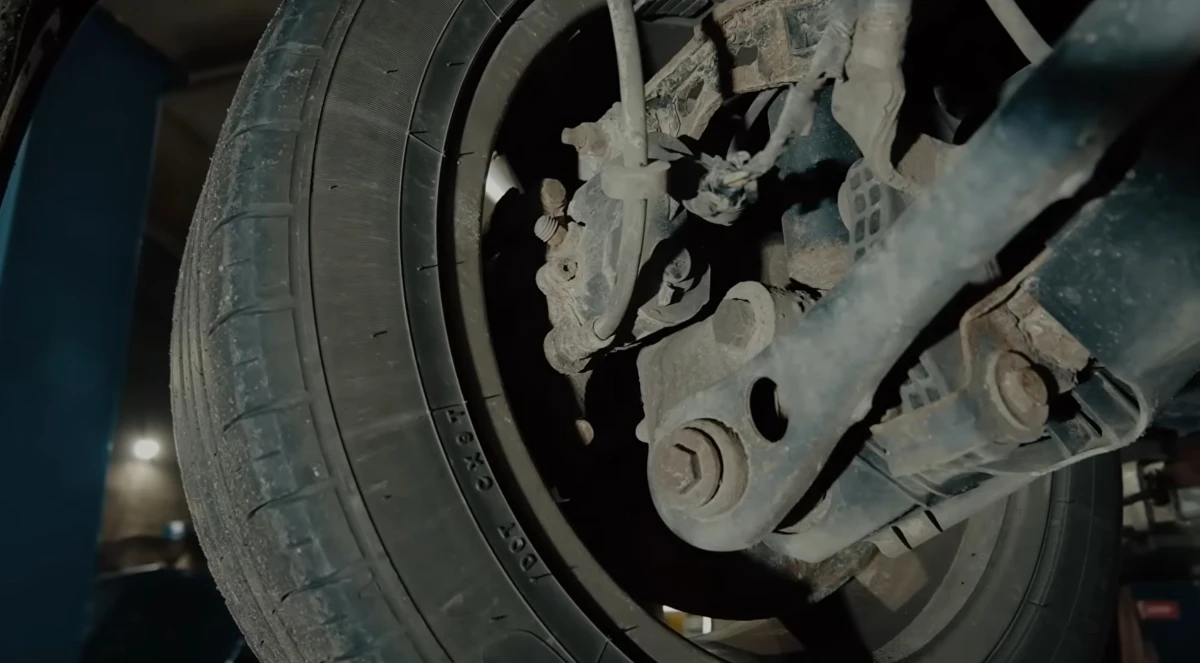
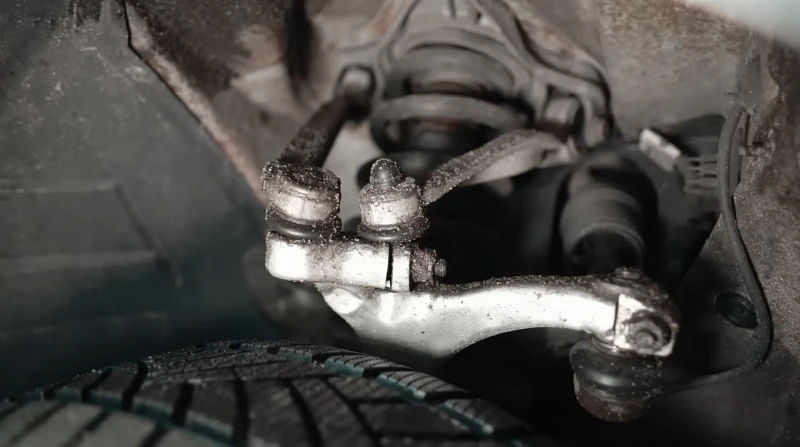
Rust remains a major concern: wheel arches, rocker panels, underbody seams, and hidden areas often corrode from road salt and winter conditions, particularly in northern states. Sound insulation is mediocre: noticeable road and wind noise on the highway, plus diesel clatter from TDI models. Maintenance can get expensive — accessing the timing chain or turbo often requires pulling the engine. Parts prices sting: OEM door lock actuators run $250–400, timing chains $500–800, and rare items like swirl flap servos can be hard to source. Other frequent gripes include a tight rear seat, worn suspension bushings, and electrical faults (door wiring harnesses, ABS modules). Audi A4 2004–2009 problems show up regularly on forums, Reddit, and owner reviews. For full specs, interior photos, and model overviews, check our other articles.
Model Years & Variants: Red Flags to Watch For
Issues differ depending on the year and engine. Early cars (2004–2006) tend to have more headaches: dated electronics (analog gauges, basic MMI), poor sound deadening, and especially the Multitronic CVT, which often fails around 60,000–80,000 miles (chain stretch, mechatronics unit). Engines: 2.0 TFSI notorious for piston ring–related oil burning, 1.8T turbo failures, 3.2 FSI timing chain wear (recommended replacement every 80,000 miles or so). Diesels (where available) suffer from EGR, DPF, and injector issues, worsened by poor-quality fuel.
Post-2007 facelift cars improved somewhat: better noise control, more reliable V6 TDI options (2.7/3.0), but rust and wiring issues persist. High-performance S4 and RS4 models see accelerated wear on quattro components and chains. In the US market, early examples (2004–2006) deserve extra scrutiny — high chance of odometer rollback, flood damage, or salt-belt corrosion. Later 2007–2009 models are generally the safer bet, but always verify software updates on TDI variants if present.
| Years | Key Problem Areas | Recommendation |
| 2004–2006 | Oil consumption, Multitronic, heavy rust | Inspect very carefully |
| 2007–2009 | Wiring harnesses, EGR on diesels | Usually the better choice |
Used Market in the United States
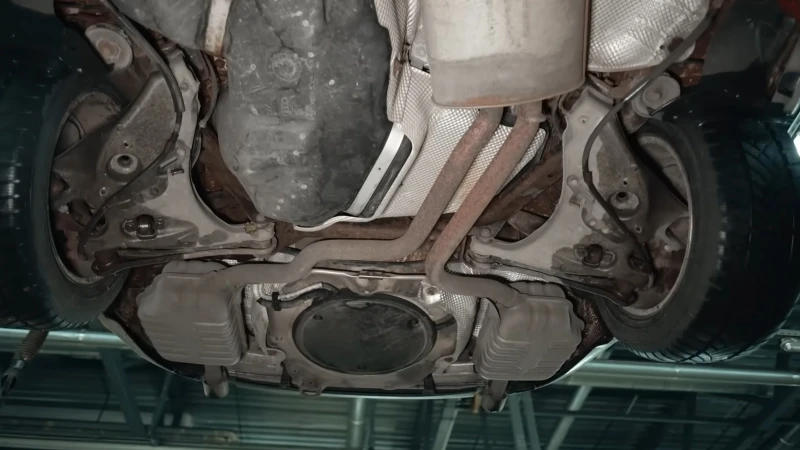
The US used market for the Audi A4 B7 has its own quirks: plenty of imports from milder climates (better bodies) versus salt-belt cars with serious underbody rust. Pay close attention to body condition — potholes accelerate suspension wear, and winter salt eats arches, rockers, and floors (use an endoscope under trim panels). Service records are critical: demand full maintenance history and receipts — missing paperwork often hides odometer tampering or 150,000+ miles passed off as lower. Always run a VIN check (Carfax, AutoCheck) for accidents, title issues, and mileage verification.
OEM parts availability: aftermarket is cheaper but can compromise longevity (bushings might last 30,000 miles vs 100,000+ for genuine). Maintenance intervals: oil changes every 5,000–10,000 miles, Multitronic fluid roughly every 40,000 miles. Watch for US-spec quirks (headlights, radio frequencies). Market listings: hundreds of examples on major sites, with clean late models in the $5,000–$9,000 range in 2026, though 25–35% have notable issues. Diesel interest remains niche due to fuel quality and emissions concerns.
Ownership & Repair Budget
Many Audi A4 2004–2009 issues are fixable if caught early. TFSI oil consumption: piston ring job $3,000–$6,000. Extra sound deadening: $800–$1,500 for doors and wheel wells. Dated infotainment: Android-based head unit upgrade $800–$1,500. Rust prevention: undercoating $400–$800, arch replacement $2,000–$4,000. Consumables: timing chain service $2,000–$4,000, Multitronic rebuild or replacement $3,000–$6,000.
Budget for a decent example: $5,000–$8,500 for a solid late-year car, plus $2,000–$5,000 in the first couple of years for maintenance and fixes. Expect annual repair costs around $1,500–$2,500 based on owner reports. Set aside 20–30% of purchase price for immediate needs. Shop labor rates vary — higher in big cities (diagnostics $150–$250), more reasonable elsewhere.
Final Thoughts & Buying Advice
The Audi A4 B7 drawbacks aren't deal-breakers — in 2026 this remains a compelling used premium sedan or wagon if you can handle the upkeep. Smart buys: 2007–2009 models under 150,000 miles, preferably 2.0T or 3.2 FSI, with clean Carfax and European or southern-state history. Steer clear of early Multitronic cars with heavy oil use, heavily rusted examples, or flood-damaged units. Insist on: full VIN report, independent pre-purchase inspection (suspension, engine, transmission), and test drive for noises/vibrations/oil level.
On inspection day: check for even wear, fluid condition, electronics function. Look for documented service, minimal rust, quality parts. When everything aligns, it's still an enjoyable, refined daily driver or highway cruiser — just budget accordingly for that classic German premium feel.