


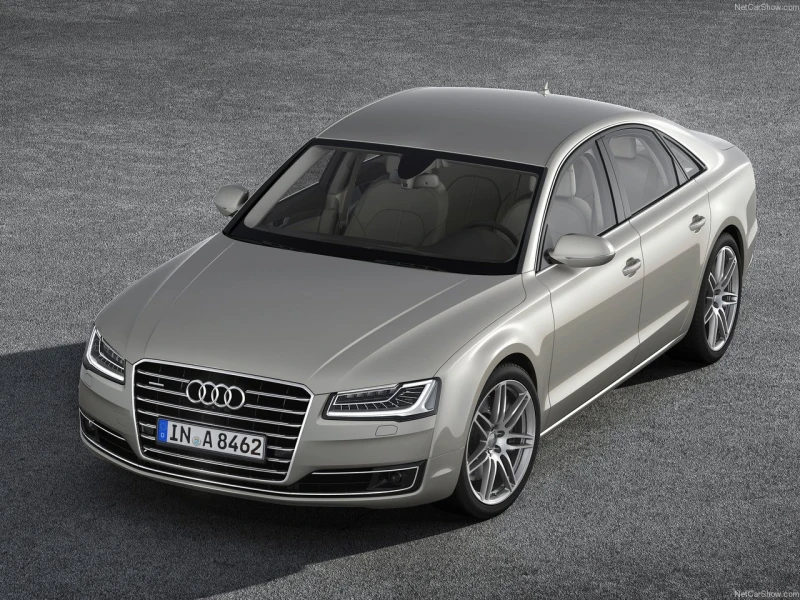
The 2009–2017 model, known as the D4 generation, blends luxury and cutting-edge tech but comes with typical premium-segment headaches. Issues with the Audi A8 2009–2017 include expensive upkeep, high repair bills, and specific component failures. This guide covers the major downsides, year-by-year troubles, US market quirks, repair options, and buying tips. For full specs, tech features, and interior details, check our other series articles.
General Drawbacks of the Generation
Key Weak Points
A used Audi A8 draws buyers with its prestige, but owners often highlight several recurring issues. Fuel economy tends to be on the thirstier side: gasoline engines (3.0 TFSI, 4.0 TFSI) average 18–22 mpg combined in city driving, while diesels (3.0 TDI) manage 25–30 mpg — noticeable at US pump prices. The aging MMI infotainment feels dated: slow navigation, no native support for modern apps without upgrades, and the touchpad wears out over time.
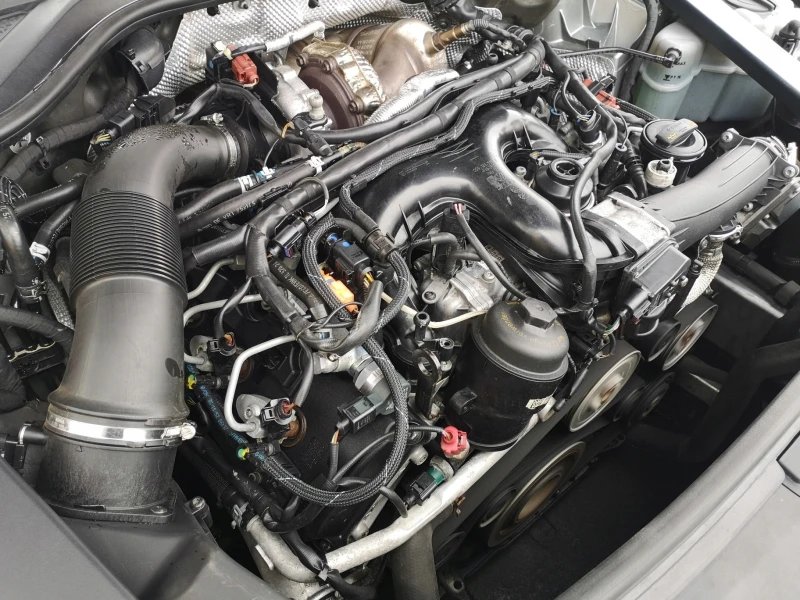
Corrosion is uncommon thanks to the aluminum body, but it can appear on subframes, exhaust components, and suspension parts due to road salt in many states. Pre-facelift models have weaker sound insulation: tire and wind noise become obvious above 75 mph. Maintenance complexity is high — many jobs need special tools, and Audi dealership service is pricey. Parts are expensive: a turbo can run $1,500–$3,000, air suspension struts $800–$2,000 each. Other frequent complaints include oil consumption on TFSI engines (up to 1 quart per 1,000 miles), electrical gremlins (sensors, control modules), and low ground clearance (~5.7 inches), which struggles on rough US roads and potholes.
Problems by Model Year / Variant
Which Years and Versions Need Extra Scrutiny
Early models (2009–2013, pre-facelift) tend to have more issues. In 2009–2011 examples, the 3.0 TDI can suffer turbo failures from oil starvation, with repairs costing $2,000–$4,500. The 4.2 FSI often needs timing chain work, sometimes requiring engine removal ($6,000+). Electronics are less advanced: MMI lacks the later touchpad, and soundproofing is weaker. Early V8s burn oil heavily, and Tiptronic transmissions can shift harshly.
Post-facelift (2014–2017): engines improved (3.0 TDI 258 hp versions more reliable), matrix LED headlights added, better noise insulation. Still, the 4.0 TFSI can have vibrations at 1,000–3,000 rpm from engine mounts. S8 and W12 models are rare, thirsty, and face higher registration fees in some states. Approach 2009–2012 examples cautiously and insist on full diagnostics. In the US, older ones are cheaper but riskier.
| Years | Major Issues | Recommendations |
|---|---|---|
| 2009–2011 | Turbos, timing chains, oil consumption | Avoid without full records |
| 2012–2013 | Electronics, air suspension | Check for software updates |
| 2014–2017 | 4.0 TFSI vibrations, less common | Preferred choice |
US Used Market Specifics
The Pre-Owned Luxury Sedan Scene in the United States
On the American used market, Audi A8s (typically 80–150 listings on platforms like Cars.com, Autotrader, CARFAX) demand close inspection of underbody condition: road salt in northern states eats at subframes, while potholes in cities like Los Angeles or Miami stress suspension. Service history is critical — many cars skip official Audi maintenance; always pull a CARFAX or AutoCheck report via VIN. OEM parts availability: aftermarket is cheaper but often lower quality. Maintenance intervals: oil changes every 10,000 miles, major services around 15,000 — skipping them leads to bigger failures.
Odometer tampering happens (average true mileage often 120,000+ miles); cross-check with databases. Option authenticity: some cars get non-factory upgrades. Many imports or fleet vehicles have spotty records. Diesels are less common in the US, but when present, poor fuel quality can harm turbos.
Fixable Issues & Budget for Solid Condition
Maintenance and Repair Cost Estimates
Most drawbacks can be addressed. Extra sound deadening: $600–$1,200. MMI upgrade with Android Auto adapter: $400–$700. Routine items (filters, oil): $250–$400 per service. Underbody rust protection: $300–$600. Air suspension compressor rebuild: $700–$1,200.
Approximate market price for a decent example on the US market: $15,000–$28,000 depending on year, mileage, and condition. Initial fixes (suspension, turbo, electrics): $1,500–$4,000 to bring it up to par. Budget around $600–$1,000 per year for ongoing maintenance.
Final Verdict: Is It Worth Buying, and Which Versions to Target or Avoid
Conclusions & Buying Advice
The Audi A8 III’s drawbacks aren’t deal-breakers — it remains a smart choice in the $20,000+ used luxury segment for executives or families. Prioritize facelifted 2014+ models with the 3.0T quattro (gas) or reliable diesel if available. Steer clear of early 2009–2011 examples without thorough inspection, and high-mileage V8s due to fuel and repair costs. During viewing: do a thorough test drive checking for vibrations, test air suspension height modes, scan electronics, and inspect underbody for rust. With a trusted independent Audi specialist or dealership prep — yes. Without proper checks — risky. The 2009–2017 Audi A8 issues are manageable but require realistic budgeting.