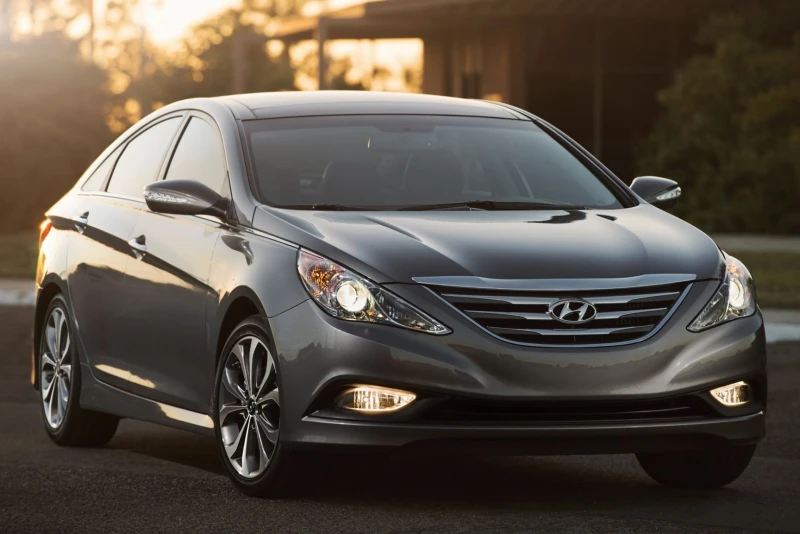
Issues with the 2009–2014 Hyundai Sonata are commonly discussed in owner forums and reviews, highlighting the importance of a thorough pre-purchase inspection. This article breaks down the main pain points for this generation on the US market, where the used Sonata remains a popular choice in the midsize sedan segment. For a look at specs, features, and interior details, check out our other articles in the series.
Key Drawbacks and Generation-Specific Notes
Owners of the Hyundai Sonata VI (YF) frequently mention several characteristics that affect daily driving. Real-world fuel economy for the 2.0-liter MPI versions typically runs around 24–28 mpg combined, while the 2.4-liter GDI variants often achieve 22–26 mpg — figures that can drop noticeably in heavy city traffic or stop-and-go conditions. These numbers vary with driving style and maintenance, but many owners opt for regular premium unleaded fuel to maintain performance.
Infotainment and navigation in this generation are fairly basic: lower trims feature CD/MP3 players with USB, while higher ones include touchscreens up to 7 inches with Bluetooth. Factory navigation was often missing or outdated, leading many to use smartphone mirroring or aftermarket solutions. Some report glitches in the audio system, such as speaker failures or connectivity dropouts.
Sound insulation is considered average, especially in pre-facelift models: road and wind noise become noticeable above 60–65 mph, particularly around the wheel wells. Later versions received minor improvements, but many owners add aftermarket materials for a quieter cabin.
Interior materials fit the segment — soft-touch dash plastics scratch relatively easily, and seat upholstery (cloth or leather) shows wear after 90,000–120,000 miles. Interior rattles from vibrations can appear on rough roads.
Maintenance difficulty is generally moderate thanks to widespread parts availability through dealers and aftermarket suppliers. However, Theta II engines demand strict oil-change intervals, and the six-speed automatic transmissions need regular checks for leaks. Parts like sensors or suspension components are reasonably priced, though a full engine replacement (if not covered by any extended warranty or recall) can be a major expense.
Model Years and Versions — Red Flags to Check
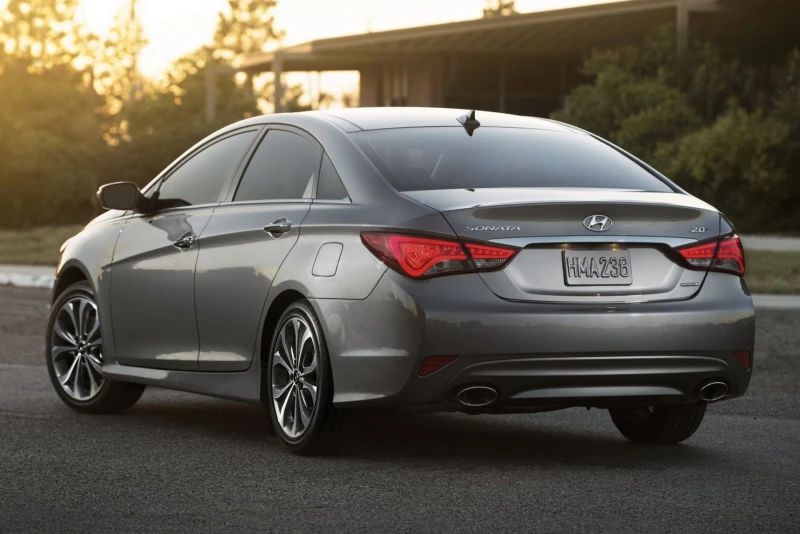
In the Hyundai Sonata VI (YF) generation, which ended production in 2014, the earlier years (2009–2011) tend to have more reported concerns. These models are more prone to Theta II engine issues, including excessive oil consumption and potential knocking from manufacturing-related bearing wear that could lead to premature failure. The 2.4 GDI versions, more common in the US market, require close attention to the direct-injection system. Early cars also have simpler infotainment and slightly weaker sound deadening.
Post-facelift models (2012–2014, especially 2013–2014) benefit from several updates: revised engine internals to address some early defects, refined transmission calibration for smoother shifts, and improved electronics including more reliable lighting and climate control. Transmission sensors were updated to reduce failure rates. On the US market, later examples are generally preferred, as many were included in engine-related recalls and warranty extensions. Hybrids, though less common, have their own battery-related considerations that require specialist inspection.
Used Market in the United States
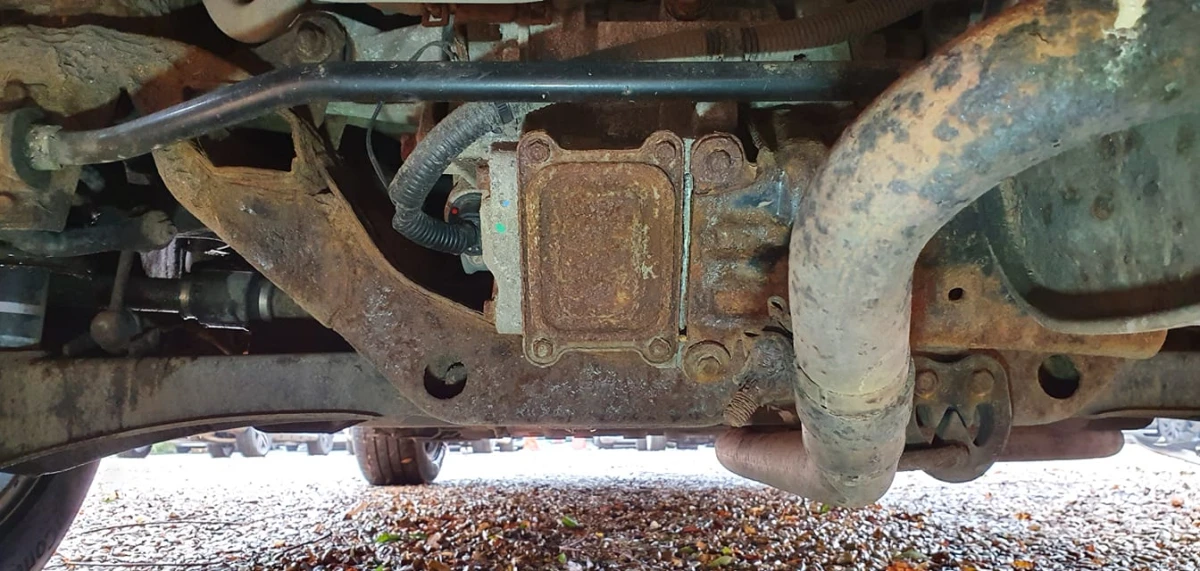
On the US used-car market, the Hyundai Sonata VI (YF) is mostly found with mileage between 90,000 and 180,000 miles. Body condition varies depending on regional road quality: rough pavement accelerates suspension wear, while rust belt states with salted winter roads can see corrosion in wheel arches, rocker panels, and underbody areas after 10+ years.
A documented service history is critical, especially for engine and transmission maintenance. Many cars have aftermarket modifications such as non-OEM headlights or other upgrades. Odometer rollback remains a concern, so a professional inspection including database checks and wear-item evaluation (pedals, steering wheel, seats) is highly recommended.
Imports are less of an issue in the US, but some examples come from fleet use or different regional specs. Typical listings feature GLS, SE, or Limited trims with automatic transmission. Market volume on platforms like Cars.com, Autotrader, and Craigslist usually includes hundreds of 2011–2013 models, with asking prices generally ranging from $4,000 to $8,000 depending on condition and location (approximate market range for typical examples in 2026).
What Can Be Fixed and Realistic Budget Expectations
Many of the Sonata VI’s common issues can be addressed with reasonable investment. Upgrading sound insulation with materials in the doors, floor, and wheel wells can cut cabin noise by 10–20%. Modernizing the infotainment system by installing an aftermarket head unit with Apple CarPlay/Android Auto is a popular and straightforward upgrade.
Worn interior components like seat upholstery or scratched trim panels can be refreshed with aftermarket or OEM replacements. Suspension refresh (shocks, bushings, control arms) dramatically improves ride quality over bumps. Rust prevention through undercoating or panel replacement helps in corrosion-prone areas. Routine maintenance — oil changes, filters, belts — prevents bigger failures.
A sensible approach is to budget an extra 10–20% of the purchase price for initial repairs and refresh on a 120,000-mile example. Expect diagnostic fees and minor fixes to align with the cost of a full service interval. Serious engine concerns may increase costs significantly, though many were addressed under previous recall programs or extended warranties.
Final Thoughts and Buying Advice
In 2026, the Hyundai Sonata VI (YF) can still be a solid, spacious used midsize sedan purchase — provided you budget for inspection and potential fixes. It suits buyers looking for comfortable daily transportation with relatively affordable upkeep, but with realistic expectations about age-related maintenance.
Early 2009–2011 models warrant extra caution due to higher incidence of Theta II engine concerns, while 2012–2014 facelifted versions tend to be more dependable. Among the gasoline options, the 2.0 MPI with automatic offers a good balance of performance and efficiency for most drivers; the 2.4 GDI delivers more power but may need closer monitoring. During inspection and test drive, focus on: engine (any knocking or oil use), transmission (smooth shifts), body (rust spots), suspension (no clunks), and electronics (infotainment and lights). A trusted mechanic’s diagnostic scan and history report go a long way toward reducing risks.