That said, like any vehicle with significant miles, it has its share of quirks and potential trouble spots worth checking before purchase. In this guide, we cover the main pain points, Toyota RAV4 III drawbacks, typical 2006–2012 RAV4 problems, and key considerations when shopping for a used example. For full specs, tech details, and interior photos, check our other articles in the series.
Key Weak Points and Generation Highlights
Owners of the third-gen RAV4 frequently mention several recurring characteristics that affect day-to-day ownership. Fuel economy varies by engine and driving style: the 2.4L (2AZ-FE) and later 2.5L four-cylinders typically deliver 21–24 mpg combined in real-world US conditions, which some find thirstier than expected for a compact crossover. V6 versions (where available) are noticeably less efficient.
Base infotainment and navigation systems feel dated today: many came with just a CD player and no native Bluetooth or USB connectivity without aftermarket upgrades. Higher trims offered better features, but even those lag behind modern expectations. Road and tire noise is a common complaint—one of the model's weaker areas—with cabin sound levels rising noticeably above 60–65 mph according to many owner reviews.
Interior materials are durable for the class: hard plastics on the dash and doors hold up well to wear but can develop rattles over time. Engine bay access is tight in places—replacing items like the water pump or spark plugs often requires removing extra components. Parts prices remain reasonable overall—genuine Toyota components are widely available—but certain AWD parts like the coupling can run several hundred dollars. Most issues are not widespread, but they do appear regularly in forums and owner feedback.
Model Years and Versions – Red Flags to Watch
With production long ended, year-to-year differences matter. Early 2006–2008 models tend to show more of certain concerns. The 2.4L 2AZ-FE engine, common in the US, is notorious for excessive oil consumption due to piston ring design issues, often becoming noticeable after 100,000–150,000 miles. Toyota addressed this in some cases through service campaigns or extended warranties.
Post-2008 facelift models brought welcome updates: better sound deadening, slightly revised interior trim, and more reliable components like the water pump. Later examples generally have fewer complaints about emissions-related parts. The electronic AWD system saw refinements that reduced the chance of fluid leaks. For the best balance of reliability and fewer potential expenses, most buyers target 2009–2012 examples.
Used Market in the United States
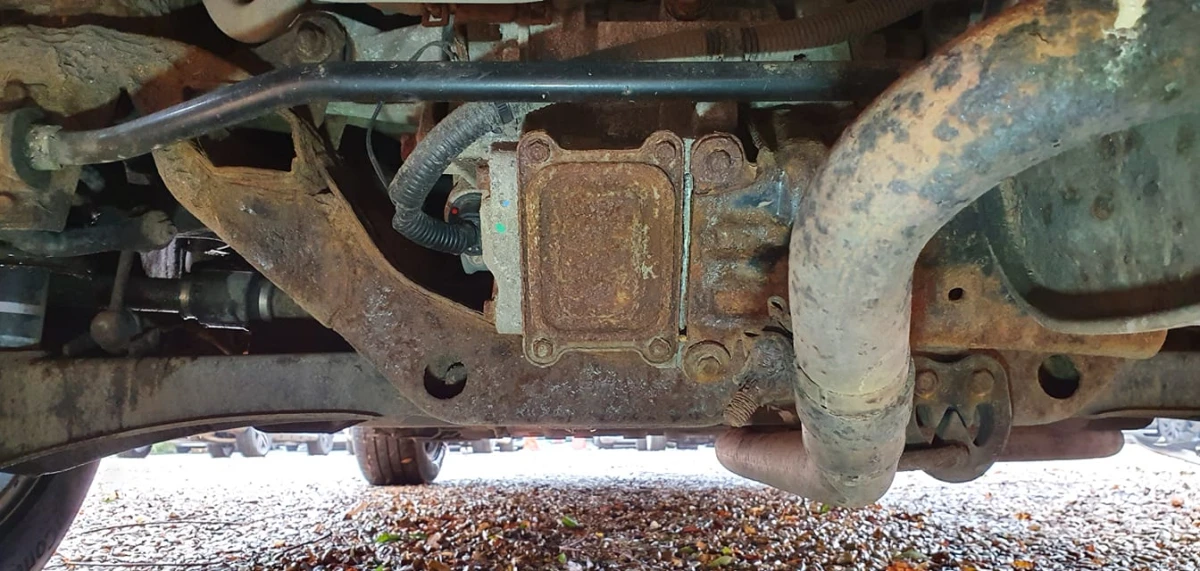
On the US used market, third-generation RAV4s are mostly higher-mileage examples (often 150,000–250,000+ miles) from private sellers, dealers, and auctions. Rust is a concern in the Rust Belt and states that use road salt: lower body panels, wheel arches, subframe areas, and rear hatch can show corrosion if not undercoated. Salt exposure also affects brake lines, fuel system components, and suspension parts—thorough underbody inspection is essential.
A documented service history is critical: vehicles with regular maintenance at Toyota dealers or reputable shops are far less likely to hide issues like EVAP canister problems, failing oxygen sensors, or ignition coil faults. Verify originality via VIN—swapped parts (especially electronics or safety items) occur occasionally. Mileage tampering remains a risk; always run a full OBD scan and compare against ECM data.
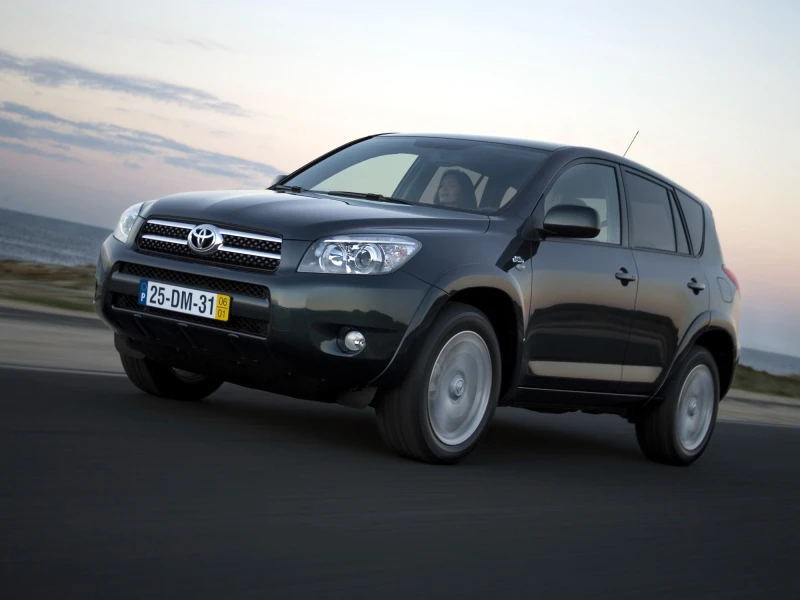
Typical asking prices in 2026 range from about $5,000 to $14,000 depending on condition, mileage, location, and equipment (Approximate market price range for the United States). Well-kept lower-mile examples with clean history command the higher end, while high-mileage or rough-condition units sit at the bottom. Four-cylinder AWD versions are the most common, with many buyers favoring them for year-round traction.
| Aspect | Typical US Market Notes |
| Rust | Lower body, arches, suspension in salt states |
| Mileage | Often rolled back—verify via scan tools |
| Service History | Prefer Toyota dealer or detailed records |
| Origin | Mostly domestic US vehicles |
Fixable Items and Budget for Solid Condition
Many third-gen RAV4 issues respond well to proactive maintenance and upgrades. Soundproofing can be dramatically improved with aftermarket materials on doors, floor, and wheel wells—popular jobs at audio/specialty shops. Modernizing the head unit to one with Apple CarPlay or Android Auto solves the outdated factory system complaints.
Worn interior trim pieces and seat upholstery can be refreshed with aftermarket or recycled parts. Suspension refresh (struts, bushings, sway bar links) is routine at higher mileages. Rust prevention via undercoating is highly recommended, especially in regions with harsh winters. Following the maintenance schedule—regular oil changes, filters, belts—helps avoid major failures.
Budget guideline: when buying, plan to set aside roughly 15–25% of the purchase price for immediate needs. Diagnostics, fluid services, minor suspension work, and preventive rust treatment can easily run several hundred to a couple thousand dollars depending on the vehicle's state and local labor rates.
Final Thoughts and Buying Tips
In 2026 the third-generation Toyota RAV4 remains a sensible used buy provided you select carefully and verify condition. Avoid or closely scrutinize 2006–2008 examples due to the higher likelihood of oil consumption in the 2.4L engine; 2009–2012 models generally offer the best compromise after Toyota's refinements. Four-cylinder AWD variants strike a nice balance for most American drivers, delivering decent efficiency and all-weather capability.
During inspection and test drive, focus on: engine (leaks, oil level/consumption), suspension (clunks over bumps), underbody (rust), transmission (smooth shifts), and electronics (sensor operation). A pre-purchase inspection at a trusted independent Toyota specialist or dealer can uncover hidden problems early. Done right, these RAV4s can deliver many more years of reliable service.