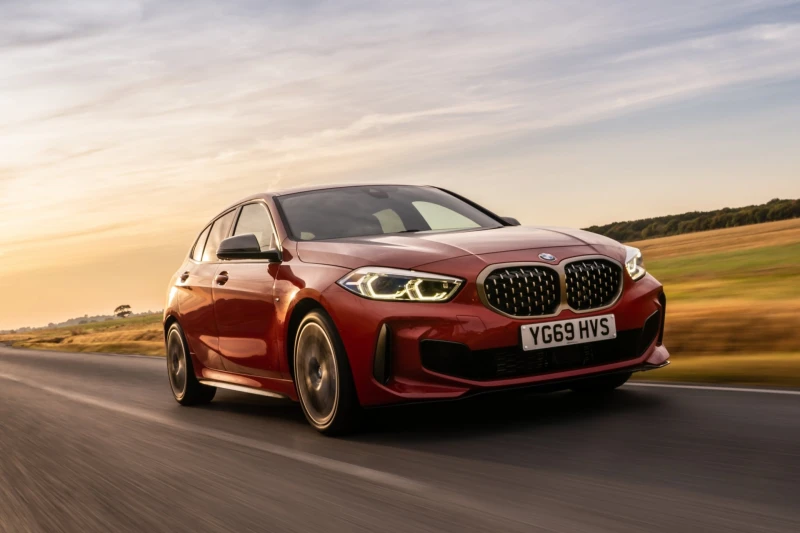
The 2019–2024 model, known as F40 (hatchback) and F52 (sedan in select markets), blends sharp dynamics with premium tech—but like many BMWs, it comes with some typical headaches. Issues often center around electronics, suspension, and powertrains. This guide breaks down the main drawbacks, year-specific concerns, US market realities, repair options, and smart buying advice. For full specs, performance, and interior details, check our other series coverage. A used BMW 1 Series can be an appealing entry into the brand, but it demands careful inspection.
Key Drawbacks of the Generation
Main Weak Points
Owners of used BMW 1 Series frequently mention a handful of recurring gripes. First, fuel economy often falls short of expectations: gasoline engines (1.5 B38, 2.0 B48) typically return 25–30 mpg combined in city/highway driving, while diesels (where available) achieve 35–45 mpg—still noticeable at US pump prices. The iDrive infotainment feels dated on pre-facelift cars: navigation can lag, software updates are needed for newer apps, and the touchpad wears over time.
Rust is uncommon thanks to aluminum body panels, but underbody components and exhaust systems can corrode from road salt in northern states. Sound insulation is mediocre, especially in early builds—tire roar and wind noise become obvious above 60 mph. Maintenance complexity stands out: many jobs need specialized tools, and BMW dealership service is pricey. Parts aren't cheap either—turbo replacements run $1,500–$3,000, DCT transmission repairs often $1,500–$2,500. Other frequent complaints include electronics (sensors, control modules), suspension (noisy shocks), diesel particulate filter (DPF) clogging on rare US-spec diesels, and occasional coolant leaks from turbos in 118i-style models. Overall reliability rates average—around 4/5 in owner surveys—but diesels tend to have more DPF and engine-related headaches.
Issues by Model Year & Variant
What to Watch For by Year
Early years (2019–2022, pre-facelift) show more complaints. 2019–2020 models often suffer infotainment glitches, older electronics (no curved display), and poorer noise suppression. Engines: early B48 units in hotter models like M135i can have vibrations; diesels may trigger DPF warnings. DCT transmissions can jerk at low speeds and often need software flashes.
Post-facelift (2023–2024): better noise control, refreshed iDrive graphics, refined engines (improved efficiency), upgraded suspension components. Still, M135i xDrive can exhibit occasional mount vibrations. High-performance versions (128ti, M135i) carry steeper repair bills. Approach 2019–2021 examples cautiously—insist on full electronics and turbo diagnostics. In the US, early cars tend to be cheaper but may have seen harsher roads or deferred maintenance.
| Years | Main Issues | Recommendations |
|---|---|---|
| 2019–2021 | Electronics glitches, DPF (if diesel), turbo leaks | Avoid without updates & records |
| 2022 | Suspension wear, DCT jerkiness | Verify service history |
| 2023–2024 | Rare vibrations, fewer complaints | Preferred choices |
US Used Market Specifics
Buying a Used BMW 1 Series in the United States
In the US market, BMW 1 Series F40 examples (mostly gray-market imports or limited availability) are niche—expect sparse listings compared to 2 Series models. Pay close attention to underbody condition: road salt in winter states eats at subframes, while potholes hammer suspension. Service records are critical—many lack full dealer history; run a VIN check through BMW or Carfax. OEM parts availability varies; aftermarket can save money but may affect sensitive electronics. Maintenance intervals: oil changes every 7,000–10,000 miles, major services around 12,000–15,000 miles—skipping them often leads to turbo failures.
Mileage tampering happens; real figures typically range 50,000–100,000 miles for these years—verify via records or OBD scans. Option authenticity: some imports get non-factory add-ons. Imported examples may carry title or emissions headaches. Diesels (less common stateside) suffer DPF issues with poor fuel quality. Approximate market prices: $18,000–$35,000 depending on condition and mileage, with clean low-mile examples averaging around $25,000–$30,000 (realistic used values for this generation in the current US market).
Fixable Issues & Realistic Ownership Budget
Maintenance & Repair Costs
Most drawbacks are addressable. Extra sound deadening: $500–$1,000. iDrive software refresh: $150–$300, or add an Android Auto module for $250–$400. Routine consumables (filters, oil): $200–$400 per service. Rustproofing/undercoating: $300–$600. Turbo rebuild: $1,500–$2,500, DPF cleaning: $300–$600. Suspension refresh (shocks/struts): $600–$1,200.
Budget for a solid example: $20,000–$32,000. Initial fixes: $800–$2,500 (suspension, minor turbo work). Plan $400–$800/year for routine maintenance. Diesel models may need AdBlue refills (~$150).
Final Verdict: Is It Worth Buying, and Which Versions to Target or Skip?
Conclusions & Smart Buying Tips
The BMW 1 Series III drawbacks aren't deal-breakers—it's a fun, premium compact if you're realistic about costs. A strong choice at $22,000+, especially post-facelift 2023+ models or efficient 118d-style variants (where available). Steer clear of early 2019–2020 cars without thorough checks, or any with unresolved turbo concerns. During inspection: do a thorough test drive for vibrations/noises, scan electronics, check suspension play, inspect underbody for corrosion, and verify VIN for open recalls. With a trusted indie BMW specialist—yes, go for it. Without proper support—higher risk. The 2019–2024 BMW 1 Series issues are manageable, but budget for upkeep.