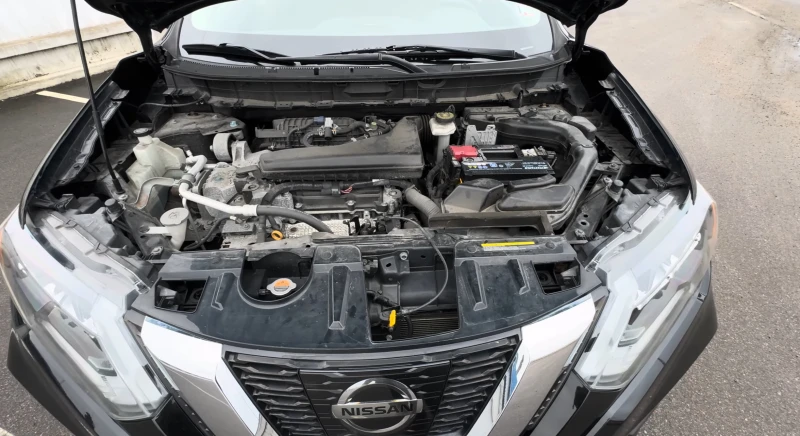
The 2013–2020 Nissan Rogue came with several typical compact crossover pain points, especially its sensitive transmission and finicky electronics. When shopping for a used Rogue in the United States, it’s important to consider the realities of American roads, salt usage in many regions, and the prevalence of ex-fleet or auction vehicles.
1. Main Weak Points of the Generation
Key Drawbacks
The second-generation Nissan Rogue (T32, 2013–2020) has a handful of recurring issues reported by thousands of owners across sites like RepairPal, NHTSA complaints, and owner forums.
First — fuel economy that’s on the higher side for a compact crossover. The 2.5L QR25DE engine typically returns 22–25 mpg combined in real-world driving, with city numbers often dropping to 20–23 mpg. Higher fuel costs hit harder in areas with elevated gas prices.
Second — dated infotainment and navigation. Early NissanConnect systems featured small screens (5–7 inches), sluggish response, and frequent glitches: freezing, Bluetooth dropouts, and navigation errors. The 2017 refresh added Apple CarPlay and Android Auto support, but only on higher trims.
Rust remains a concern, especially on vehicles from northern states where roads are heavily salted in winter. Corrosion commonly appears on the underbody, wheel arches, and rocker panels after 5–8 years.
Another frequent complaint is weak sound insulation. Road, wind, and engine noise become noticeable above 60–65 mph, making highway trips less relaxing. The problem was more pronounced before the 2017 updates, though many owners still add aftermarket sound-deadening material.
Expensive repairs tend to center on the transmission and electronics. The Xtronic CVT is the model’s biggest weak link — prone to overheating in stop-and-go traffic, jerking, hesitation, and eventual failure. Repair or replacement often costs $4,000–$7,000. Other common issues include A/C compressor failures, blend door actuator problems, suspension wear (struts, stabilizer bushings around 30–45k miles), and oil consumption after 60–90k miles.
Electronics can be troublesome too: false activation of the automatic emergency braking, ABS sensor failures, and infotainment glitches. Paint and clear coat are also rather soft — rock chips appear quickly.
2. Issues by Model Year
Which Years to Approach with Caution
Problems vary noticeably by year. The early models (2013–2016) tend to have more complaints due to less-refined components. According to NHTSA data, 2013 had the highest number of CVT-related issues (power loss, complete failure), A/C problems, and faulty fuel-level sensors. Many required transmission replacement by 60–90k miles.
2014–2015 models show similar patterns: CVT troubles, A/C failures, and interior trim wear. 2016 added reports of front suspension clunking during turns. Each of these years generated 400–500 complaints with multiple manufacturer recalls.
The 2017 refresh brought meaningful improvements: a stronger CVT with better cooling, enhanced sound deadening, and updated electronics (including ProPILOT Assist on higher trims). Still, aggressive driving can stress the transmission. 2018 saw complaints about unexpected braking events. 2019–2020 models are generally the most reliable in the generation, though CVT health still needs careful inspection.
Hybrid versions (from 2017) are uncommon but bring their own issues: engine vibrations and more complex repairs. Avoid high-mileage early examples (2013–2016) above 90–100k miles unless maintenance history is impeccable.
3. US Market Specifics
Buying a Used Rogue in the United States
On the American used market, many 2013–2020 Rogues come from auctions, ex-rentals, or fleet vehicles — often with prior accident history. This means potential hidden damage, uneven panel gaps, and previous repairs of varying quality.
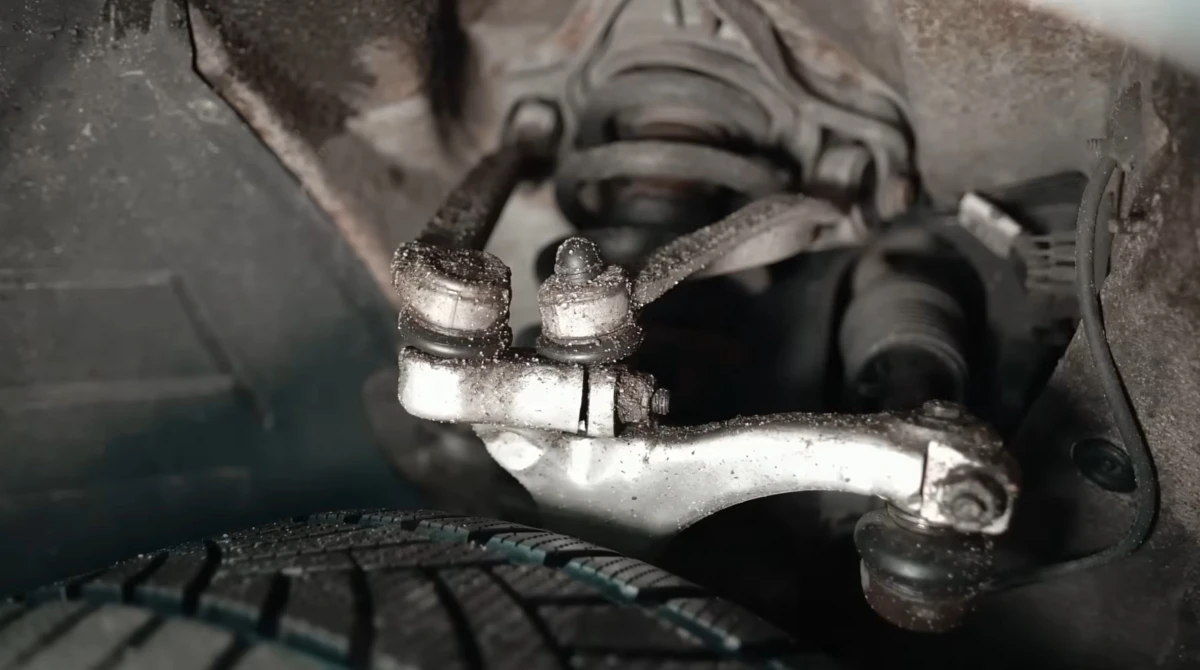
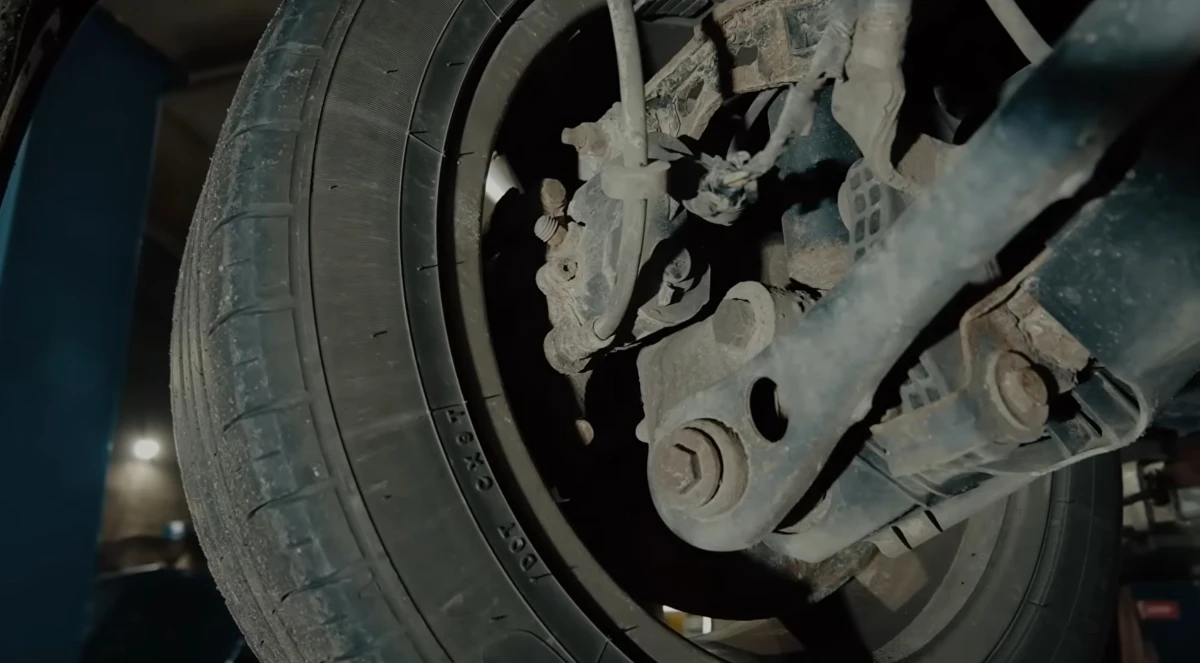
Body condition is critical. Rust from road salt is accelerated in the Snow Belt states. Always inspect the undercarriage, wheel wells, and rockers on a lift. Service records can be spotty or missing — insist on a clean Carfax or AutoCheck report.
Genuine parts for CVT and electronics are expensive, though quality aftermarket options (KYB, Bosch, etc.) are widely available. Maintenance intervals: engine oil every 5–7.5k miles, CVT fluid every 25–40k miles to help prolong life.
Odometer rollback happens — verify with wear patterns on pedals, steering wheel, and seats. Trim authenticity: base S models are sometimes dressed up with non-factory accessories. Market listings: thousands of examples available on major sites, with approximate prices for 2017–2020 models in decent condition ranging from $12,000–$20,000 depending on mileage, location, and equipment (higher for low-mileage, well-maintained examples).
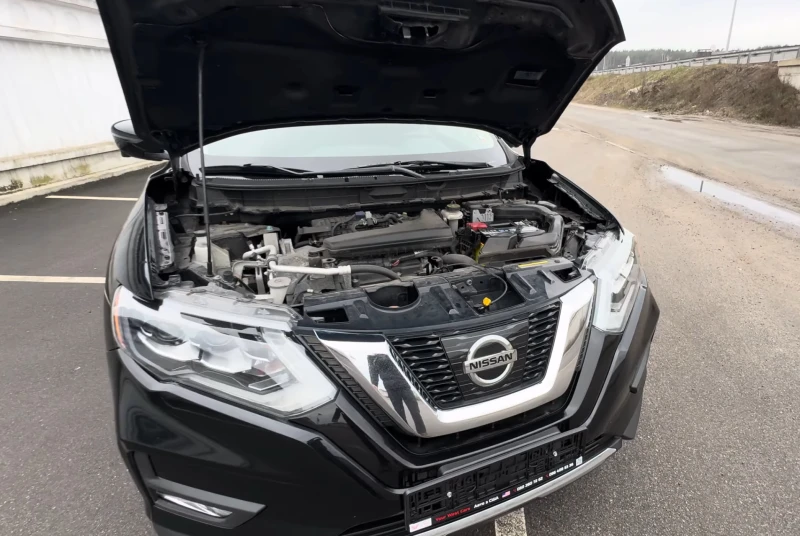
4. Fixable Issues & Realistic Ownership Costs
Budget for Bringing It to Good Shape
Many weak points can be addressed, but they require investment. Sound deadening upgrade (doors, wheel wells, floor) typically runs $500–$1,200.
Modern infotainment retrofit (Android-based head unit with CarPlay) — $300–$800. Rust prevention and spot repairs — $300–$1,000 depending on severity.
Suspension refresh (strut pair) — $400–$800, bushings $100–$300. CVT preventive maintenance (fluid + filter) — $200–$500; full rebuild or replacement — $4,000–$7,000.
Realistic budget for a solid example: Approximate market price for the United States $14,000–$20,000 for a 2017–2020 model in good condition. Plan another $1,000–$2,500 for immediate needs (sound deadening, fluids, minor rust treatment, inspection).
5. Bottom Line: Is It Worth Buying? Best & Worst Versions
Final Thoughts & Buying Advice
The 2013–2020 Nissan Rogue remains a sensible choice in 2025–2026 if you pick carefully. It offers good space, a durable engine, and decent all-weather capability for families — but thorough inspection is non-negotiable.
Best to target post-2017 models with under 90k miles, full service records, and verified CVT/suspension health. Avoid early 2013–2016 examples with high mileage and questionable history.
Preferred trims: SV or SL with AWD. During inspection, pay close attention to: test drive (check for CVT shudder/jerks), lift inspection (rust, leaks), electronics operation (AEB, infotainment), and documentation (Carfax/service history).
With proper care and timely maintenance, a good example can easily reach 200k+ miles. Skip it if you can’t verify the transmission’s condition — the risk isn’t worth it.