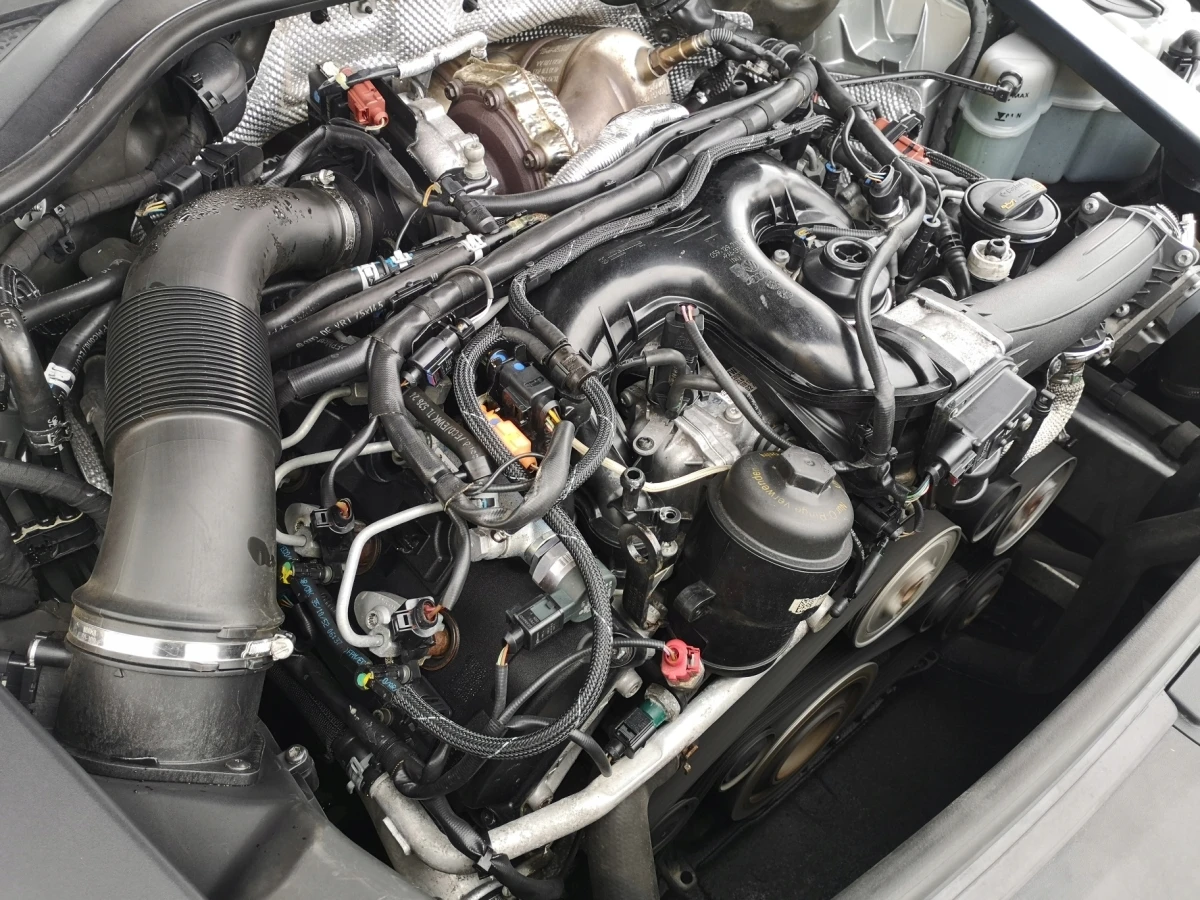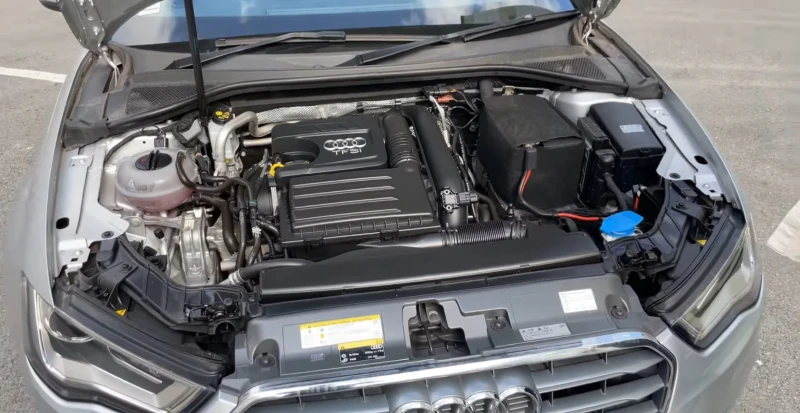
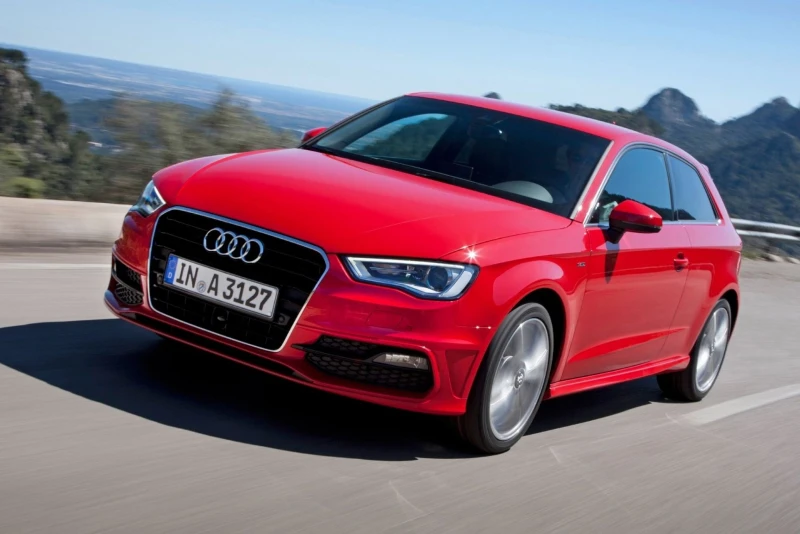
Audi A3 III common issues in the third generation (Typ 8V) include several well-known problems reported by owners worldwide, including in the US. While the model earns solid reliability marks in the premium compact segment (around 3.5/5 on platforms like RepairPal), it does come with notable drawbacks. A major one is excessive oil consumption in many TFSI gasoline engines: real-world figures often show 7–10 L/100 km (24–34 mpg) in city driving — higher than EPA estimates — especially in 1.8/2.0 TFSI variants due to oil burning (up to 1 quart per 1,000 miles in severe cases). Outdated MMI infotainment: pre-facelift models feature a 5.8-inch non-touch screen, glitchy navigation, and no native support for Apple CarPlay or Android Auto without aftermarket upgrades.
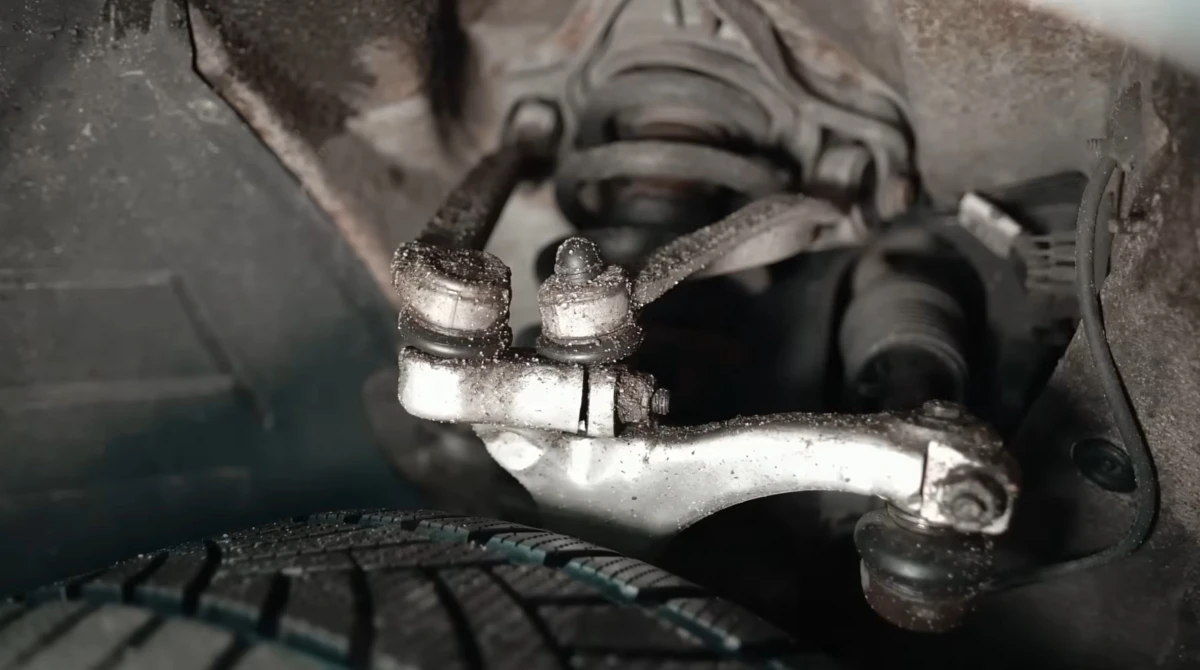
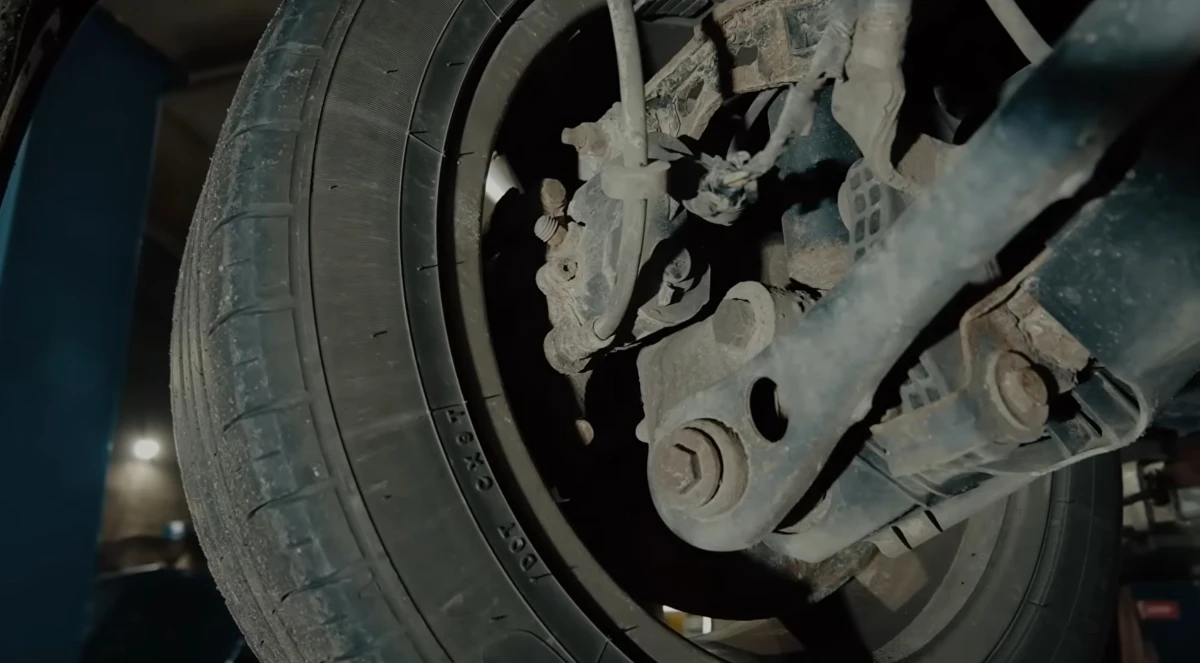
Corrosion remains a frequent complaint: underbody, wheel arches, and sills can rust from road salt, particularly on cars imported from high-salt regions or northern states. Sound insulation is mediocre: noticeable road and wind noise on highways, plus diesel TDI vibrations. Maintenance complexity: accessing components like the timing chain or turbo often requires engine removal, driving up labor costs. Expensive parts: genuine items (e.g., DSG clutch assembly — $1,500–$2,500) cost 50–100% more than aftermarket options, and rare features like the Virtual Cockpit can be hard to source. Other drawbacks include a cramped rear seat, noisy suspension struts, and electronic gremlins (ignition coils, throttle body failures). Audi A3 2012–2020 problems frequently appear in owner forums and reviews on sites like CarComplaints and Reddit. For full specs, tech details, and interior photos, check our other guides.
Model Years and Versions: Red Flags to Check
Issues vary significantly by year and spec. Early models (2012–2015, pre-facelift) tend to have more headaches: dated electronics (analog gauges, buggy MMI), poor sound deadening, and transmission woes — the dry-clutch S tronic (DQ200) often needs clutch and mechatronic repairs by 60,000–70,000 miles. Engines: 1.8 TFSI prone to oil consumption from piston ring design, 1.4 TFSI timing chains stretch around 60,000–90,000 miles. 1.6 TDI diesels suffer EGR and DPF clogging from low-quality fuel.
Post-facelift (2016–2020): better noise insulation, added Virtual Cockpit option, and more reliable wet-clutch S tronic (DQ381). Persistent issues include corrosion (especially on salt-belt cars), high-pressure fuel pump failures in TFSI models. Performance variants like S3/RS3 see accelerated wear on quattro system and turbos. In the US market, early years (2012–2014) warrant extra caution due to potential odometer tampering or flood/salvage history. Facelifted examples are generally safer bets, but verify any Dieselgate software updates on TDI models.
| Years | Key Issues | Recommendation |
| 2012–2015 | Oil consumption, dry DSG, weak soundproofing | Inspect very carefully |
| 2016–2020 | Corrosion, MMI electronics | Preferred choice |
Used Market in the United States
The US used market for the Audi A3 has its own quirks: plenty of cars from high-mileage or northern states with salt damage, plus CPO examples from dealers. Pay close attention to body condition: rough roads and potholes accelerate suspension wear, while winter salt attacks wheel arches and underbody (use an endoscope or lift inspection). Service records: insist on full maintenance history and receipts — without them, assume hidden issues like rolled-back odometers (common to mask 120,000+ miles as under 70,000). Verify mileage via VIN checks (Carfax, AutoCheck).
Genuine parts availability: aftermarket options save money but can compromise long-term reliability. Maintenance intervals: oil changes every 10,000 miles, DSG fluid every 40,000 miles. Spec matching: watch for non-US spec imports lacking proper lighting or radio compliance. Titles: avoid salvage or rebuilt titles without thorough inspection. Current listings: hundreds available on platforms like Autotrader and Cars.com, with prices typically $12,000–$22,000 depending on year, miles, and condition — roughly 15–25% may hide issues. In 2026, TDI diesels still attract interest, but fuel quality and emissions compliance add risk.
Ownership and Repair Budget
Many Audi A3 2012–2020 problems are fixable with proper investment. TFSI oil consumption: piston ring replacement ($2,000–$4,000). Sound deadening: extra door and arch insulation ($500–$1,000). Dated infotainment: Android-based upgrade or CarPlay retrofit ($1,000–$1,500). Corrosion prevention: undercoating ($300–$500), arch replacement ($1,000–$2,000). Routine items: timing chain ($1,500–$2,500), DSG clutch ($1,500–$2,500).
Realistic budget for a solid example: $15,000–$20,000 for a well-kept post-facelift model, plus $5,000–$10,000 over the first 2–3 years for maintenance and fixes. Average annual repair costs hover around $700–$900 (per RepairPal data). Plan for 10–20% of purchase price in initial upgrades and repairs. Service costs vary: higher in major cities (Los Angeles, New York), lower in smaller markets.
Final Thoughts and Buying Tips
The Audi A3 III drawbacks aren't deal-breakers — this generation remains a compelling premium compact buy in 2026 if you can handle the upkeep costs. Smart choice: 2016–2020 facelift models under 90,000 miles, ideally 2.0 TFSI or 2.0 TDI, from clean US or low-salt origins. Steer clear of early 2012–2014 cars with dry DSG and heavy oil use, plus unchecked salt-belt or accident-history examples. Must-do steps: full VIN report, professional inspection (suspension, engine, transmission), and thorough test drive for noises/vibrations.
During viewing: check oil level and condition, test all electronics, listen for suspension clunks. Ideal profile: documented service history, no major rust, OEM or quality parts. Done right, it's a rewarding daily driver for city commutes and highway trips — just budget accordingly for that premium ownership experience.