


The 1994–2001 E38 7 Series combines classic luxury, rear-wheel-drive dynamics, and timeless design — but like most luxury sedans of its era, it has several recurring issues. Owners commonly report cooling system troubles, rust, complex electronics, and expensive repairs. This guide covers the main drawbacks, year-by-year differences, US market realities, repair costs, and smart buying advice. For full specs, interior photos, and driving impressions — check our other E38 coverage. A clean used E38 can still deliver a special experience, but only with careful inspection.
Key Weaknesses of the E38 Generation
Main Problem Areas
Used E38 owners frequently mention a handful of recurring issues. Fuel economy is on the heavy side: the 4.0–4.4L V8s typically burn 14–20 mpg in city driving, while the V12 can drop below 12 mpg — noticeable at current US pump prices. The factory infotainment feels dated: CD-based navigation is slow, no MP3 support, and upgrading to modern systems requires adapters and coding.
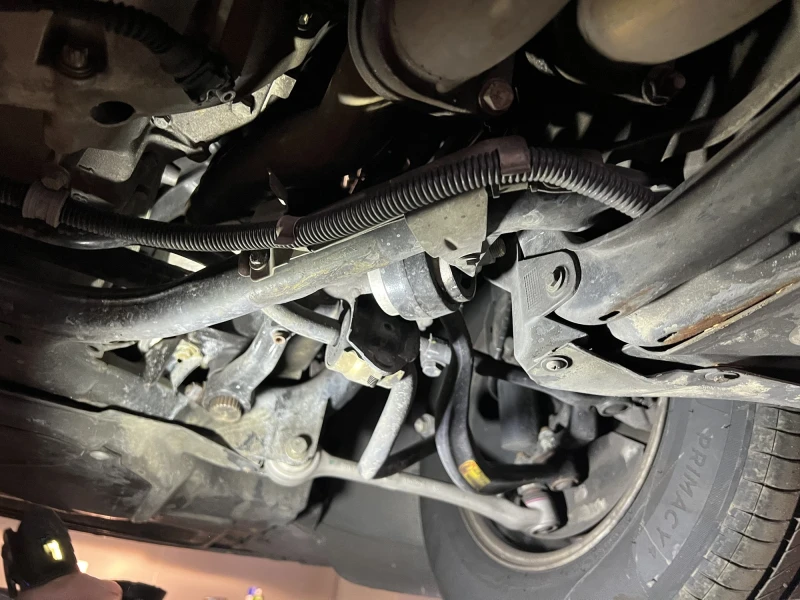
Rust remains one of the biggest concerns: rockers, wheel arches, and underbody corrosion appear where road salt is used in winter. Early models have noticeably weaker sound insulation — tire and wind noise become obvious above ~75 mph. Maintenance complexity is high: many components (especially on V12 models) require special tools, and independent BMW specialists charge premium rates. Parts are expensive: radiators run $300–$700, transmission rebuilds often $1,500–$3,500. Other frequent complaints include cooling system failures (plastic parts, water pump), V8 oil leaks, EDC suspension wear, pixelated displays, failing ABS modules, catalytic converter issues, power steering hose leaks, cracked coil springs, water in the footwells from sunroof drains, faulty door lock actuators, and PCV system problems.
Problems by Year & Model
What to Watch For by Production Year
Pre-facelift cars (1994–1998) tend to have more issues. 1994–1996 models are especially prone to overheating due to undersized radiators, lack advanced stability control (no DSC), and poorer sound deadening. Early M60 V8 engines suffer from oil consumption and timing chain stretch. The ZF automatic can feel jerky at low speeds.
Facelift models (1998–2001) brought better noise insulation, updated M62 V8 engines with dual VANOS, but VANOS seals still wear out and rattle, and catalytic converters fail over time. The 750i V12 is rare and expensive to run and repair. 740d diesels (Europe-only) had turbo and injector troubles. The safest bets are usually 1998+ examples with full service history; avoid early cars without documented cooling system and VANOS work. In the US, salt-belt examples often show more rust, while cars from dry states tend to fare better.
| Years | Major Issues | Recommendation |
|---|---|---|
| 1994–1997 | Overheating, oil consumption, noise | Avoid unless fully documented repairs |
| 1998–2001 | VANOS rattle, electronics | Preferred choice |
US Used Market Realities
What the American Market Looks Like
On the US used market, clean E38s are relatively uncommon (far fewer listings than newer generations). Body condition is critical: winter road salt in many states accelerates rust on rockers, arches, and floor pans. Potholes and poor roads can stress the EDC electronic suspension. Service history is essential — many cars lack complete records; always check Carfax and BMW VIN databases. Aftermarket parts are widely available but can cause issues with electronics. Maintenance intervals: oil changes every 7,000–8,000 miles, major services around 15,000 miles — skipping them often leads to cooling or VANOS failures.
Mileage tampering happens; most examples on the market now show 150,000–250,000+ miles. Look for signs of wear on seats, steering wheel, and pedals to verify odometer readings. Many cars were originally imported or came from high-end fleets. V8 models dominate listings (~85%), some converted to run E85 or with aftermarket tuning. V12 cars are very rare and expensive to maintain. Approximate market prices in 2026: $6,000–$18,000 depending on condition and mileage (average good driver around $9,000–$12,000).
Fixable Issues & Realistic Ownership Budget
Cost to Bring One to Solid Condition
Most E38 problems are fixable with money and the right specialist. Upgraded sound deadening — $600–$1,200. Modern Android-based head unit — $400–$900. Routine maintenance (filters, fluids, spark plugs) — $200–$500 per service. Rust repair (cutting and welding) — $800–$2,000+. Cooling system overhaul (radiator, expansion tank, water pump) — $500–$1,200. VANOS rebuild — $800–$1,500. Transmission service — $400–$800, full rebuild — $2,000–$4,000. EDC shocks — $1,000–$2,000.
Realistic budget for a decent example: $9,000–$14,000 purchase price. Expect $1,500–$4,000 in immediate repairs (cooling, suspension, rust). Plan $800–$1,800 per year for maintenance and unexpected fixes. V12 models add another $1,000+ annually for parts and labor.
Final Verdict: Worth Buying? Which Ones to Target or Avoid?
Buying Recommendations
The E38 7 Series remains a rewarding choice for enthusiasts who want classic luxury and driving character, especially with a budget of $10,000+. The 1998–2001 facelift models (particularly 740i/iL) offer the best balance of refinements and parts availability. Avoid early 1994–1997 cars unless they have extensive documented repairs, and steer clear of high-mileage V12s unless you're prepared for the running costs. Always insist on: thorough pre-purchase inspection (cooling system pressure test, rust check, transmission flush history, electronics scan), test drive for overheating or odd noises, and VIN check for open recalls. With proper care, an E38 can still deliver an exceptional ownership experience — but it will never be cheap to maintain.