That said, like any car reaching this age, it comes with a handful of known quirks and potential trouble spots worth checking before you buy. Owners frequently discuss Hyundai Sonata VII drawbacks, 2014–2019 model-year issues, and used Sonata ownership experiences on forums and review sites. This guide highlights the most commonly reported concerns based on real-world feedback and service data.
For full specs, styling, and interior details, see our other articles in this series.
Main Weak Points & Generation Characteristics
Sonata LF owners commonly mention several areas that can impact everyday driving. Real-world fuel economy depends heavily on engine choice and driving habits. The naturally aspirated 2.0 MPI (G4NA, commonly imported from South Korea or the U.S.) typically returns 24–28 mpg combined in mixed driving. The more powerful 2.4 GDI (G4KJ, often from U.S. examples) usually sees 21–25 mpg combined — noticeably thirstier during spirited driving.
Pre-facelift models (2014–2016) came with 7–8 inch infotainment screens that lack native Android Auto and Apple CarPlay support — those features arrived only with the 2017 facelift. Navigation systems in U.S.-spec or Korean imports often require aftermarket reprogramming or replacement to work properly with American maps.
Sound insulation is frequently described as average: road and wind noise become noticeable above 60–65 mph, especially in base and mid-trim models. Interior materials are decent overall, with soft-touch surfaces on the upper dash, but lower door panels and trim pieces are hard plastic that can develop rattles and scratches over time.
Maintenance complexity varies by engine. The 2.4 GDI (direct injection, dominant in U.S. imports) demands high-quality premium unleaded fuel and periodic walnut blasting or chemical cleaning of intake valves to prevent carbon buildup. Parts prices are generally reasonable, though OEM automatic transmission (A6MF) components and certain suspension pieces can cost more than aftermarket options. Hybrid variants (2.0 Hybrid, mostly U.S. and Korean imports) will eventually need high-voltage battery replacement — typically after 100,000–130,000 miles.
Model Years & Versions — Red Flags to Watch
Early 2014–2016 examples (pre-facelift) are more closely tied to the well-known Theta II engine concerns. In particular, some 2.4 GDI units built before 2017 suffered from excessive oil consumption due to bearing wear or piston ring issues, occasionally leading to engine failure. This was especially prevalent in U.S.-market cars where not all vehicles received timely recall repairs.
Facelifted 2017–2019 models received meaningful engine updates — improved cooling, oil jets, and reinforced head gaskets — resulting in far fewer complaints. Blind-spot monitoring, adaptive cruise control, and other electronics also became more reliable in later production runs, though early units sometimes experienced radar or sensor glitches.
Hybrid and turbo variants (2.0 T-GDI — rare in the U.S. used market) require extra scrutiny: hybrids for battery health, turbos for turbocharger and intercooler condition. Diesel versions were never offered in the U.S. market.
Used Market Reality in the United States
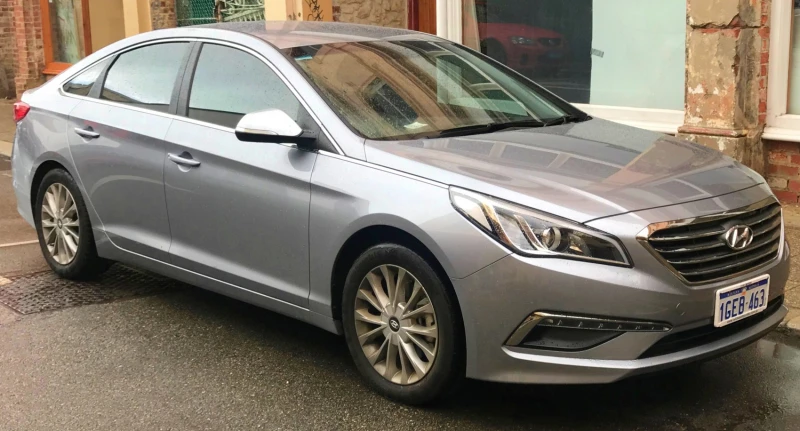
In the American used-car market, most Hyundai Sonata LF examples are domestic U.S. vehicles or a smaller number of South Korean imports. Condition varies significantly by origin: cars from northern or coastal states may show underbody rust from road salt, while southern or western examples usually fare better but may have higher odometer readings from fleet or rental use.
Winter road salt accelerates corrosion on rockers, frame rails, and exhaust components in many regions. A clean service history is critical — missing records often hide previous accident repairs. Part originality should be verified via VIN; many owners opt for quality aftermarket components due to cost.
Odometer rollback remains a concern on the used market — 50,000–100,000 miles can be erased in some cases. Always run a vehicle history report and have a professional pre-purchase inspection performed. Typical asking prices for 2017–2019 models with 75,000–125,000 miles in Style, Limited, or Sport trims with 2.0 MPI or 2.4 GDI engines range from $12,000–$18,000 depending on condition and region. Hybrids usually command a 15–25% premium.
Fixable Issues & Budget to Reach Solid Condition
Many Sonata LF shortcomings can be addressed affordably. Upgrading sound deadening with aftermarket mats in doors, floor, and wheel wells can reduce cabin noise by 20–30%. Modernizing the infotainment system is straightforward with Android-based head units that support current smartphone integration.
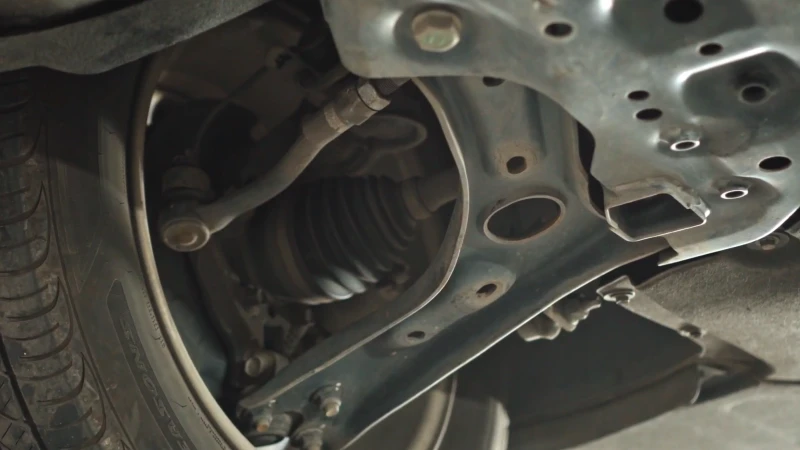
Worn seat bolsters, scratched trim, and other interior wear items are easily replaced via salvage yards or aftermarket suppliers. Suspension refresh (shocks, bushings) is routine for the mileage and can include underbody rust prevention treatments. Routine maintenance includes transmission fluid changes every 40,000–50,000 miles and intake valve cleaning on GDI engines.
When budgeting for a purchase, plan to set aside 10–20% of the vehicle price for inspection, minor repairs, and preventive maintenance. For a 90,000–100,000-mile example, this usually translates to $1,500–$3,000 depending on what the inspection uncovers. Approximate market value in the United States for well-maintained examples in 2026: $11,000–$17,000.
Final Verdict & Buying Tips
As of 2026, the Hyundai Sonata VII (LF) remains a sensible used midsize sedan choice — especially 2017–2019 facelifted examples. Early 2014–2016 cars demand extra caution due to higher risk of engine issues, particularly the 2.4 GDI. The 2.0 MPI paired with the 6-speed automatic is generally considered the most trouble-free and cost-effective combination.
During inspection, focus on: engine (oil level, unusual noises), transmission (smooth shifts), suspension (play or clunks), body (rust spots), and interior (wear and rattles). A thorough test drive will reveal noise levels and ride quality over bumps. With careful selection and proper maintenance, these Sonatas can deliver reliable, comfortable transportation for many more miles.