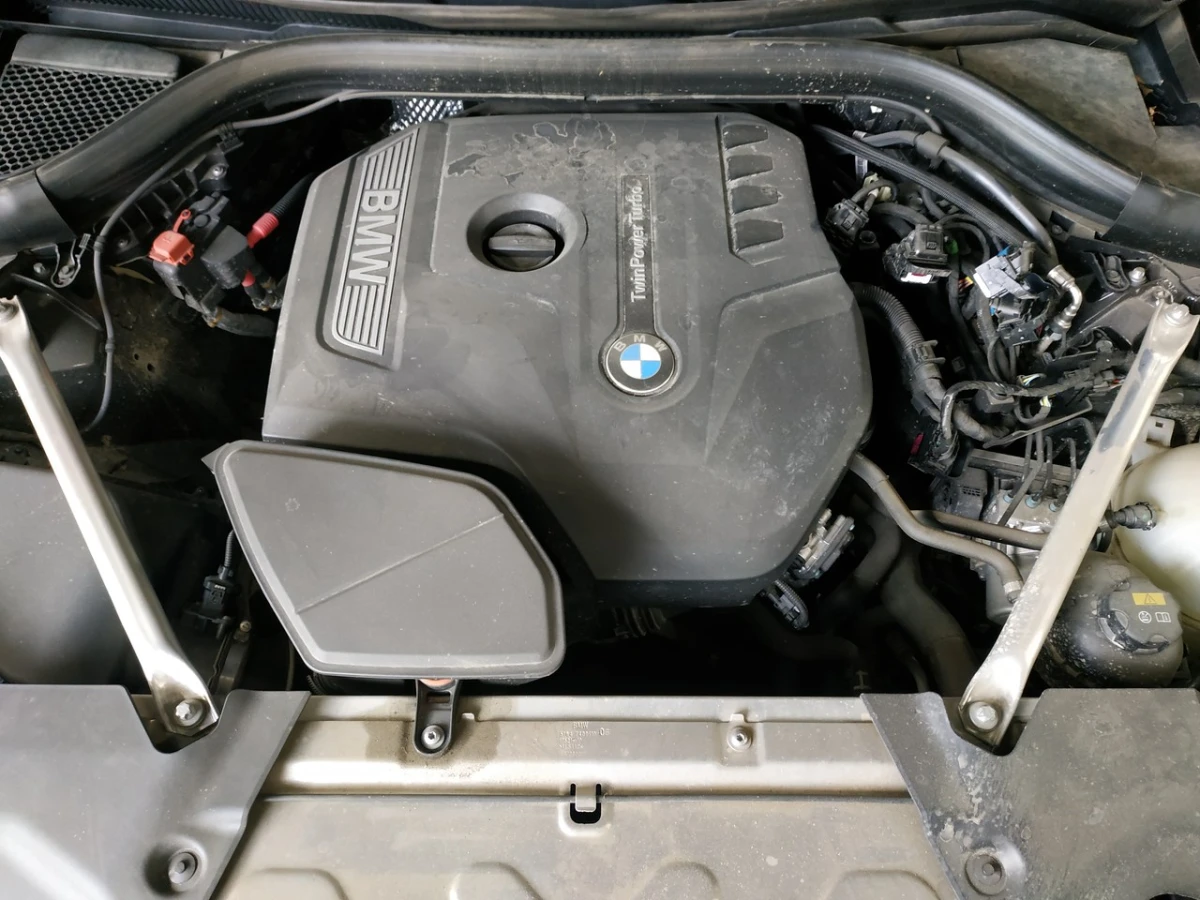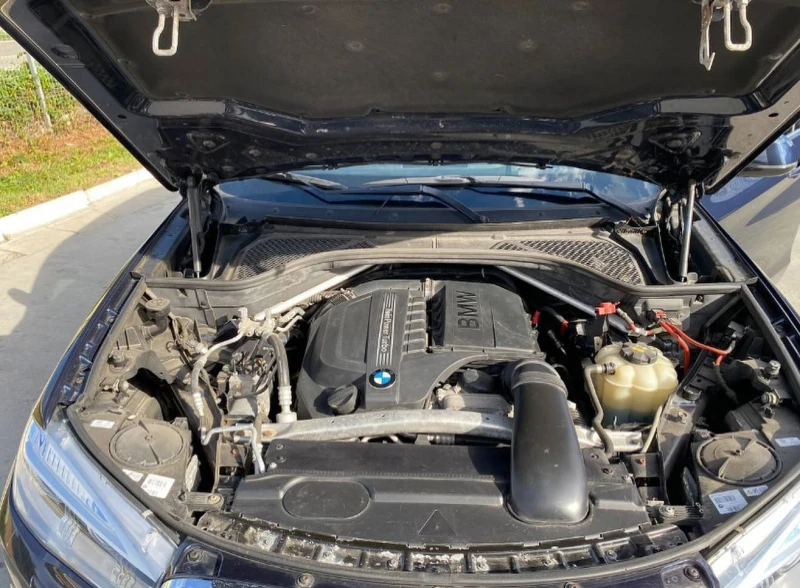
Known as the F15, this generation ran from 2013 to 2018 and earned praise for its blend of performance, comfort, and premium feel. Still, like most vehicles in the luxury midsize SUV segment, it has several well-documented trouble areas. Engine, drivetrain, electronics, and underbody issues tend to appear more often on higher-mileage examples in the US due to weather extremes, road salt, and varied driving conditions. This article covers the main drawbacks, year-by-year differences, US market realities, repair considerations, and practical buying advice. For full technical specs, driving impressions, and interior photos, see our separate coverage.
Key Drawbacks of the Generation
BMW X5 F15 owners regularly mention a few recurring themes typical of German premium SUVs: higher-than-average maintenance expenses and several specific component weaknesses. Here are the most common complaints:
- Fuel economy below class average: Gasoline models (xDrive35i / 35i) typically return 18–22 mpg combined in real-world driving; diesels (xDrive35d) achieve 25–28 mpg but are far less common in the US.
- Outdated infotainment & navigation: Early iDrive versions feel dated, suffer from occasional glitches, offer limited smartphone integration (Apple CarPlay added late or via retrofit), and map updates are expensive.
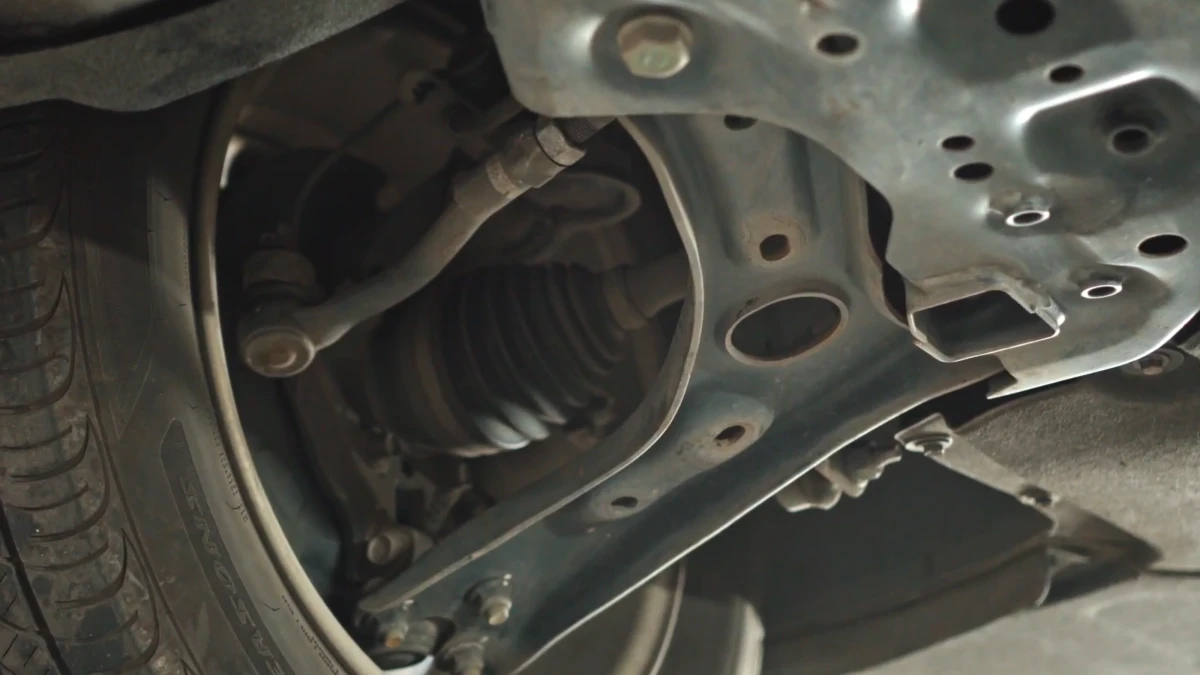
- Underbody & wheel-arch corrosion: Galvanized body helps, but rust appears on rocker panels, wheel arches, and undercarriage—especially in salt-belt states after several winters.
- Noticeable road & tire noise: Cabin insulation is average for the class; tire roar and wind noise become apparent above 65 mph, particularly on run-flat tires.
- Expensive parts & service: Dealer maintenance easily exceeds $800–$1,200 per visit; major components (turbo, timing chain, transfer case) can cost $3,000–$10,000+ when they fail. Independent specialists are usually more affordable but carry some risk.
- Other frequent issues: Oil leaks (valve cover, oil pan gasket, turbo lines), high-pressure fuel pump (HPFP) failures on N55 engines, EGR cooler & DPF problems on diesels, electronic gremlins (check engine light, parking sensors), creaking seats, and occasional liftgate malfunctions.
Most of these concerns are manageable with diligent maintenance, but they contribute to elevated long-term ownership costs. Air suspension (if equipped) often requires attention after 60,000–80,000 miles.
Model Years & Versions: What to Watch For
Problems vary across the production run. A mid-cycle facelift in 2016 brought modest improvements to electronics, noise levels, and some mechanical components.
| Years | Major Issues | Buying Advice |
|---|---|---|
| 2013–2015 (pre-facelift) | More frequent oil leaks, timing chain stretch (N55/N57), iDrive glitches, weaker sound insulation, thermostat & water pump failures by ~60–70k miles, EGR cooler issues on diesels. | Approach with caution above 90,000–100,000 miles; insist on full diagnostic scan and service records. |
| 2016–2018 (facelift) | Improved infotainment response, better noise control, fewer timing chain complaints. N55 turbos and ZF transmission leaks can still occur. | Strongly preferred; lower overall risk, but still inspect air suspension (if present) and diesel emissions components carefully. |
The earliest 2013–2014 models tend to have the highest number of reported engine (oil consumption on N63 V8, HPFP/injector issues on N55) and electronic complaints. The N57 diesel is generally the most durable powertrain but very rare in the US. Triple-turbo M50d was not offered in the United States.

Used Market in the United States
Used F15 X5 models remain plentiful: hundreds of listings appear on major sites like Autotrader, Cars.com, and CarGurus. Approximate market prices (as of 2025–2026) range from $14,000–$18,000 for higher-mileage 2013 examples to $28,000–$38,000+ for low-mileage, well-optioned 2017–2018 models. Key market-specific considerations include:
- Body condition: Check wheel arches, rockers, and underbody for rust—especially vehicles from northern or coastal states.
- Service history & Carfax: Many ex-lease or fleet vehicles; verify mileage with Carfax/AutoCheck and look for consistent dealer or specialist service.
- Original vs. aftermarket parts: Aftermarket replacements are common but can lead to premature failures; OEM is preferable for critical items.
- Maintenance interval: Oil changes every 5,000–7,500 miles (not the factory 10,000–15,000) greatly improve engine and turbo longevity.
- Actual mileage & options: Average is 90,000–150,000 miles; always run a pre-purchase inspection and verify premium packages (panoramic roof, adaptive suspension, etc.).
- Import history: Some vehicles were originally sold in Canada or imported from Europe—check for proper EPA/DOT compliance if applicable.
- Fuel type distribution: Gasoline models dominate (over 95%); xDrive35d diesels are scarce and usually command a premium.
Extreme temperatures (hot summers in the Southwest, cold winters in the Northeast/Midwest) accelerate wear on seals, batteries, and suspension components.
Ownership & Repair Budget
Many F15 issues are fixable, but expect meaningful costs to keep one in top shape. Budget $3,000–$10,000 over the first 1–2 years of ownership for a solid used example.
- Sound deadening: Full cabin upgrade — $800–$2,000; dramatically improves refinement.
- Infotainment upgrade: iDrive software update or retrofit CarPlay — $400–$1,200; full Android-based replacement — $800–$2,000.
- Routine maintenance: Oil + filters — $200–$400; timing chain job (if needed) — $2,500–$5,000.
- Corrosion protection: Undercoating/rustproofing — $400–$900; rocker panel repair — $800–$2,500.
- Suspension: Shock/strut replacement — $1,200–$2,500 set; air springs (if equipped) — $2,000–$4,000.
- Major components: Turbo replacement — $2,500–$5,000; HPFP — $1,200–$2,500; EGR/DPF service — $600–$1,500; tires — $1,000–$2,000 set.
Realistic budget for a good example: $22,000–$32,000 purchase price for a 2016+ model under 100,000 miles, plus $2,000–$6,000 in immediate/upcoming service. Expect $1,000–$2,000 per year in routine maintenance thereafter.
Final Thoughts & Buying Tips
The F15 X5 remains a compelling used luxury SUV in 2026 if you choose carefully. It offers strong performance, good road presence, and solid resale value—but premium running costs are unavoidable. The 2016–2018 facelift models are the safest bet: fewer issues and better electronics. Avoid high-mileage 2013–2014 examples unless maintenance history is impeccable. The xDrive35i gasoline engine provides the best balance for most buyers; diesels are rare and best left to enthusiasts familiar with emissions repairs.
Always prioritize: full pre-purchase inspection (including engine, transmission, and suspension diagnostics), rust check, verified service history, and real mileage confirmation. During the test drive, listen for unusual noises, test turbo response, and verify all electronics. When possible, buy from a reputable specialist or with an extended warranty. With proper care, a well-sorted F15 can easily reach 200,000–300,000 miles, but be prepared for the expense of maintaining a true premium German SUV.