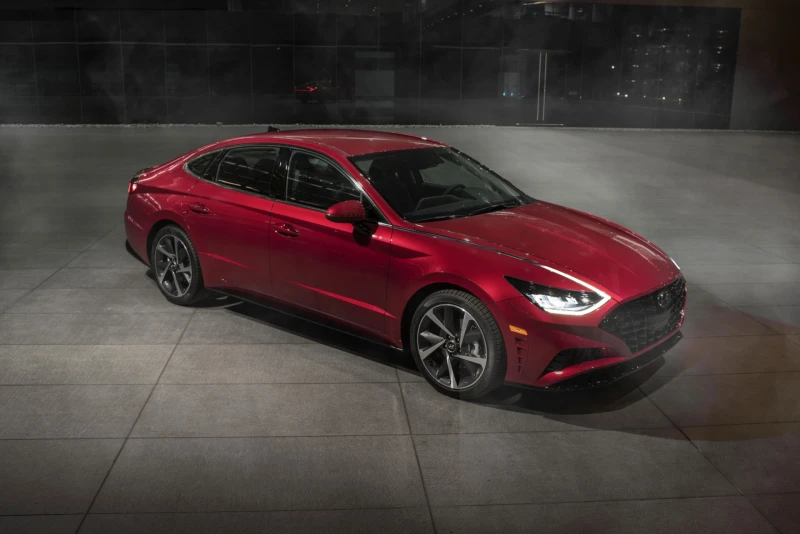
The 2019–present Hyundai Sonata has drawn a range of owner complaints covering performance, electronics, and comfort. On the U.S. used car market, thorough pre-purchase inspections are essential due to varying regional specs and driving conditions. This article breaks down the most frequently reported issues based on owner feedback and service records. For a full overview of specs, features, and interior details, see our other articles in the series.
Key Drawbacks and Characteristics of This Generation
Owners of the Hyundai Sonata DN8 often point out several aspects that affect daily driving. For the common 2.5 GDi engine paired with an 8-speed automatic, real-world fuel economy in city driving typically ranges from 20–24 mpg according to reviews—reasonable for a midsize sedan but higher in heavy traffic or aggressive driving. Hybrid versions, sometimes available on the used market, achieve around 45–50 mpg combined, though they demand careful attention to fuel quality and battery health.
The infotainment system features an 8–12.3-inch touchscreen with Apple CarPlay and Android Auto, but owners report occasional software glitches like screen blackouts or lag. Built-in navigation may not be fully optimized for all areas, so many rely on phone-based apps instead.
Noise insulation is average at best: road and wind noise become noticeable above 70 mph, with limited additional sound deadening in the trunk area amplifying rear tire noise. This can be more pronounced on rough interstate highways or poorly maintained roads.
Interior material quality varies by trim—lower trims use harder plastics prone to scratches, while higher trims offer soft-touch surfaces and leather. After 50,000–70,000 miles, wear on plastic components like the center console or door panels is commonly mentioned.
Servicing can be complex due to advanced electronics requiring dealer-level diagnostic tools. Parts for certain imported configurations may have longer lead times. Replacement costs for components like power window regulators or suspension parts are generally in line with the segment, with aftermarket options widely available.
Model Years and Versions — What to Watch For
As a current-generation model, early 2019–2022 examples have some specific concerns. These include occasional higher-than-normal oil consumption in the 2.5 GDi (Smartstream) engine beyond 30,000–50,000 miles. Front power window mechanisms can develop grinding noises or fail, though not widespread.
Reported electronic glitches involve temporary display blackouts, and the suspension can feel firm over potholes. These issues are not universal but appear in owner forums and service bulletins.
The 2023–2024 refresh improved reliability with updated infotainment software for better stability, added sound insulation, and softer suspension tuning. The primary U.S. configuration remains the 2.5 GDi with 8-speed automatic, though some imported units may feature different powertrains requiring extra checks for oil consumption. Hybrid 2.0 GDi HEV models generally show fewer complaints post-refresh.
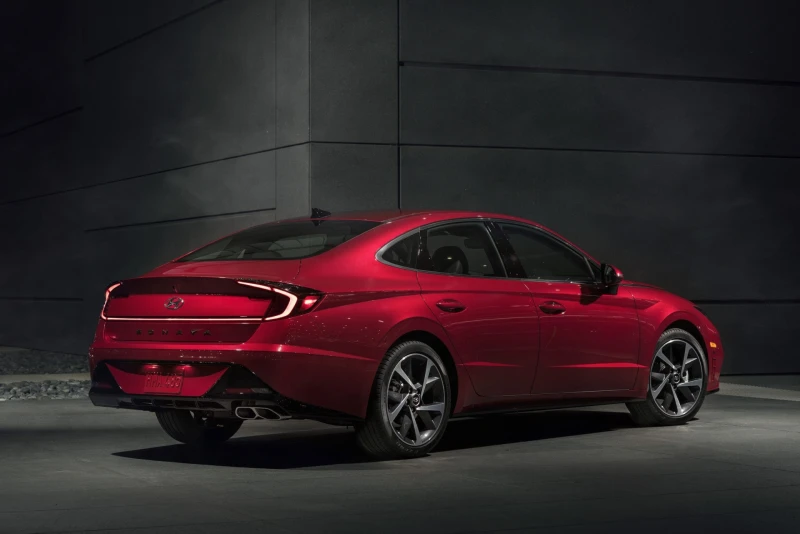
The U.S. Used Car Market
Used Hyundai Sonata DN8 models in the United States typically come from domestic sales, with mileage ranging from 40,000–100,000 miles. Body and undercarriage condition depends heavily on regional factors—salt belt states see accelerated rust on wheel wells, rockers, and underbody if not properly protected, while southern examples often fare better.
Rust from road salt is a key concern in northern states without additional undercoating, making a thorough lift inspection essential. Vehicles with documented dealer service history tend to have fewer hidden issues compared to those sold through private sales.
Original equipment and features can be verified via VIN. Some configurations may include driver assists or infotainment tuned specifically for the North American market. Mileage tampering is rare but possible, so independent verification at a trusted shop is recommended.
Many available examples are 2.5 GDi models in SEL or Limited trims. Approximate market price for 2019–2021 models in good condition: $18,000–$23,000, depending on mileage, location, and features.
Fixable Issues and Budget for Bringing One Up to Standard
Many common Sonata DN8 complaints can be addressed with reasonable investment. Adding aftermarket sound deadening to doors and wheel wells significantly reduces road noise. Infotainment stability can often be improved with software updates or third-party modules.
Worn interior trim pieces are replaceable via salvage yards or aftermarket suppliers. Suspension refreshes—new shocks or bushings—become relevant around 60,000–80,000 miles on rough roads. Rust prevention involves professional undercoating application.
Following recommended maintenance, such as transmission fluid changes every 60,000 miles, helps prevent larger issues. When buying used, budget an additional 10–15% of the purchase price for inspection, minor repairs, and preventive treatments to reach optimal condition.
Final Thoughts and Recommendations
In 2026, the Hyundai Sonata VIII (DN8) remains a solid midsize sedan choice for buyers seeking space, technology, and value. It strikes a good balance of comfort and features but benefits from careful shopping on the used market.
Post-refresh 2023–2024 models with the 2.5 GDi and 8-speed automatic are generally the most reliable. Hybrids offer excellent efficiency, while N Line variants with the turbo 2.5 deliver stronger performance—both with slightly higher maintenance considerations.
For any purchase, prioritize examples with strong service history. Test drive to check for unusual oil use, suspension behavior, electronics function, and body condition, especially in rust-prone regions.