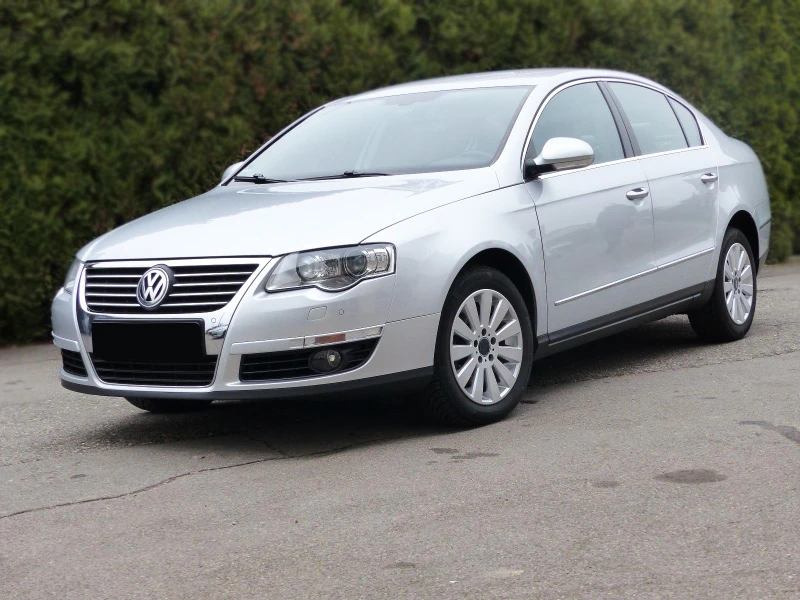
Like any older used vehicle, though, it comes with certain Volkswagen Passat B6 problems that can influence your buying decision. In this guide, we break down the most common 2005–2010 Passat issues, year-specific concerns, U.S. market trends, repair options, and practical advice to help you decide if a used Passat is right for you in 2026.
Major Drawbacks of the Generation
Owners frequently report a consistent set of issues based on forums, reviews, and data from sites like CarComplaints and Edmunds. Many stem from the car's age (now 16–21 years old) and original design choices. Here are the primary ones:
- Higher-than-average fuel consumption: Gasoline engines (1.6 MPI, 1.8 TSI) typically see 18–24 mpg in city driving, while 2.0 TDI diesels get 30–35 mpg combined. Aggressive driving pushes numbers lower than contemporaries like the Honda Accord or Toyota Camry of the same era.
- Outdated infotainment and navigation: Factory RNS-300/510 systems lack modern features—no standard Bluetooth or USB, and maps are long obsolete. Head-unit glitches and disc-reader failures often appear after 100,000 miles.
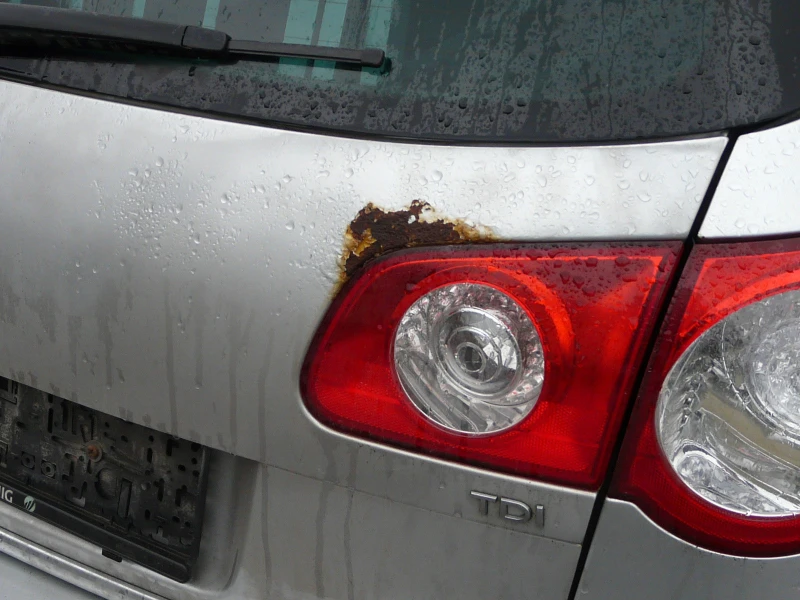
- Body rust: Rocker panels, wheel arches, trunk lid edges, and trim pieces corrode, especially on cars from northern states with heavy road salt use. Rust becomes visible after 10–15 years.
- Poor noise insulation: Highway tire and wind noise is noticeable, particularly in base trims. Later models improved slightly but still lag behind rivals.
- Complex and costly repairs: Accessing components like the TSI timing chain often requires engine removal, driving up labor costs. Genuine parts (turbos, DSG mechatronics) are pricey, though quality aftermarket options exist.
- Other concerns: Oil consumption in 2.0 FSI/TSI engines (up to 1 quart per 1,000 miles), electrical gremlins (alternator, starter), and faster suspension wear on rough roads.
These Passat B6 drawbacks aren't deal-breakers for everyone but warrant careful inspection.
Model Years and Versions: What to Watch For
The B6 didn't receive a full mid-cycle refresh, but incremental updates improved reliability over time. Early cars (2005–2007) tend to have more issues; later ones (2008–2010) are generally better.
| Years | Typical Issues | Why Be Cautious |
|---|---|---|
| 2005–2006 | Unit-injector PD TDI diesels, early DSG mechatronics, TSI timing chain noise after 60,000–80,000 miles | Early production teething problems: weaker electronics, higher corrosion risk due to age |
| 2007 | Transition to TSI engines, turbo and chain concerns, average sound insulation | Limited improvements; still early DSG versions |
| 2008–2010 | Common-rail TDI (smoother), reinforced DSG components, better noise damping | Fewer issues overall, though DPF and EGR systems need monitoring |
Avoid early years if possible—higher risk of cracked cylinder heads on certain 2.0 TDI codes and transmission woes. Post-2008 models are safer bets, but always verify service history.
U.S. Used Car Market Overview
The 2005–2010 Passat remains widely available nationwide, with thousands of listings on platforms like Cars.com, Autotrader, and CarGurus. Most are imports from original U.S. sales or Canada, typically showing 120,000–200,000 miles. Key market notes:
- Body condition: Rust on rockers and arches is common in Rust Belt states. Check under trim and in the trunk; potholes and variable road quality accelerate suspension wear.
- Service records and mileage: Odometer rollbacks still occur—prioritize vehicles with documented CARFAX or AutoCheck history.
- Parts availability: OEM and aftermarket (Bosch, Febi, Mann) parts are readily available nationwide. Independent VW specialists are common in most metro areas.
- Maintenance intervals: Follow 10,000-mile oil changes; skipping them leads to timing chain or DSG failure.
- Trim verification: Confirm equipment via VIN—some “loaded” cars are base models with add-ons.
- Title and lien checks: Run a vehicle history report for salvage, flood, or lien issues.
- Pricing trends: Approximate market price in the U.S. ranges from $4,500–$8,000 depending on condition, mileage, and location. Well-maintained examples start around $6,000. Wagons (Variant/SportWagen) command a slight premium.
Poor fuel quality in some regions and aggressive driving can exacerbate 2005–2010 Passat problems, making a pre-purchase inspection essential.
Typical Repair and Maintenance Budget
Most common faults are fixable, allowing you to bring a tired example back to reliable daily-driver status. Below are average U.S. repair costs (2025 estimates from independent shops):
| Issue | Repair | Budget (USD) |
|---|---|---|
| Rust | Rust treatment, rocker replacement | $300–$900 |
| Noise insulation | Additional sound-deadening material | $200–$500 |
| Infotainment | Upgrade to modern head unit (Android Auto/Apple CarPlay) | $400–$800 |
| Timing chain (TSI) | Chain, guides, and tensioner replacement | $1,200–$2,000 |
| DSG mechatronics | Repair or replacement | $1,500–$3,000 |
| Routine service | Filters, oil, brakes | $150–$400 |
Plan on $1,000–$3,000 above purchase price to address deferred maintenance on a higher-mileage car. Annual upkeep for a solid example typically runs $600–$1,200.
Final Thoughts and Buying Advice
Is a 2005–2010 Volkswagen Passat worth buying today? Absolutely—if you want a spacious, refined sedan or wagon at a budget price and are willing to maintain it properly. With care, these cars easily reach 200,000+ miles. Best choices: 2008–2010 models with the 2.0 TDI Common Rail (140 hp) and manual transmission, or low-mileage TSI examples with full records.
During inspection, focus on rust, engine oil consumption and timing chain condition, DSG behavior (no jerks), and electronics. A thorough test drive and professional PPI are non-negotiable. Choose wisely, and a used Volkswagen Passat B6 can be a rewarding, comfortable daily driver for years to come.