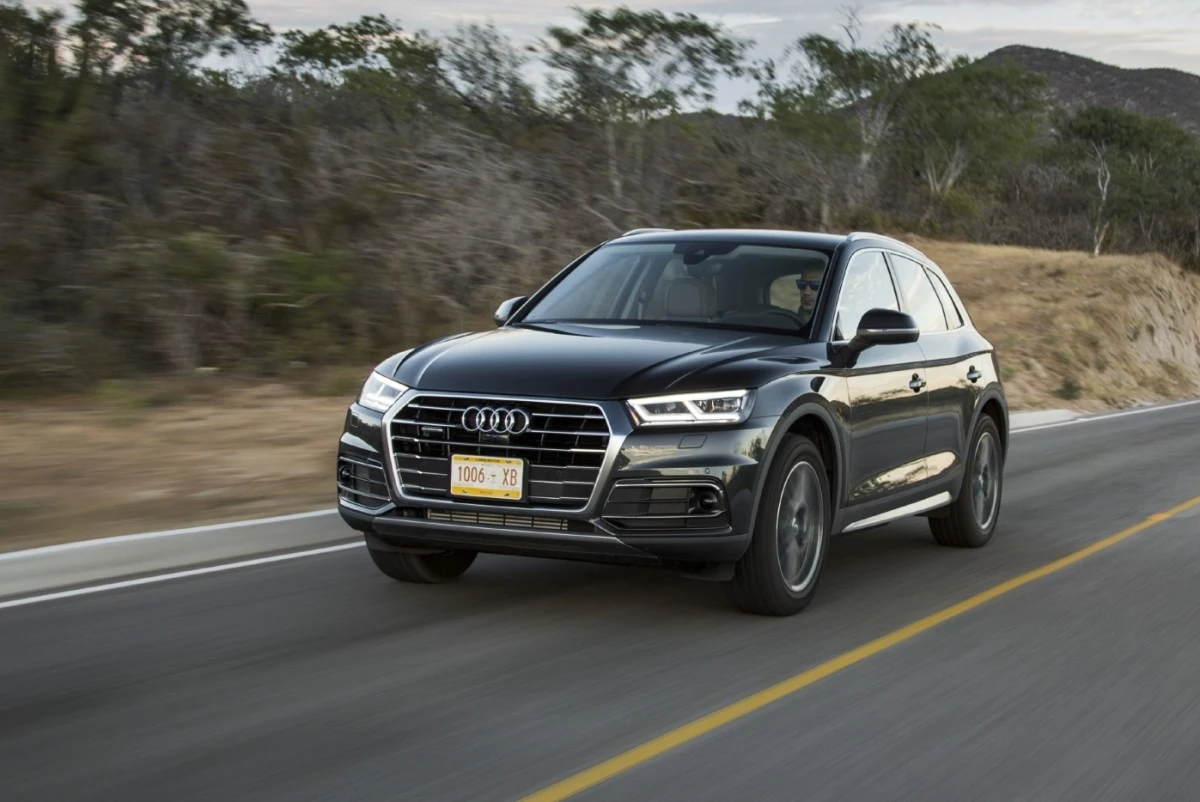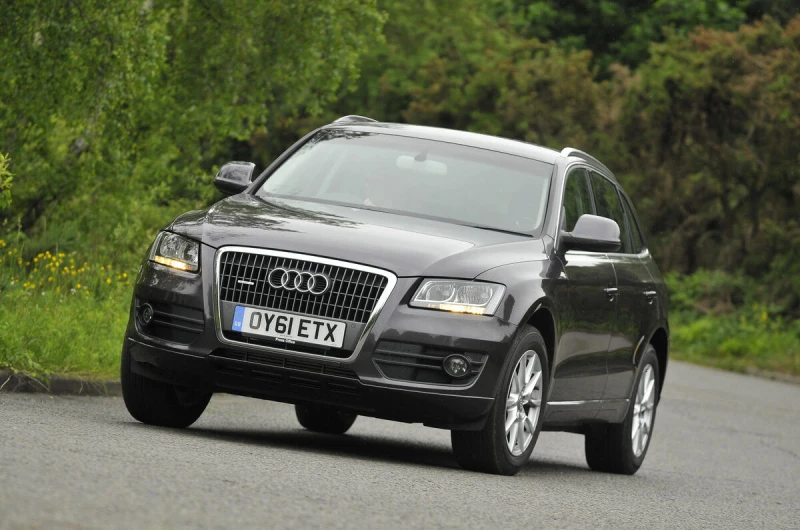
Produced between 2008 and 2017, the first-generation Audi Q5 earned praise as a refined, capable premium crossover — yet like most used luxury vehicles, it has several well-known weak points. Audi Q5 2008–2017 problems most often involve engines, the S tronic dual-clutch transmission, electronics, and body corrosion — issues that become especially important when shopping for a used Audi Q5 on today’s American market. Here’s a no-nonsense guide to the biggest drawbacks, how problems evolve by model year, repair realities, and smart buying tips.
Most Common Complaints from Owners
After 100,000–150,000 miles, many Audi Q5 I owners report recurring issues. Data from forums (Audizine, Reddit, Q5 Owners Club), Consumer Reports, and repair databases highlight these frequent pain points:
- High oil consumption & oil burning: Early 2.0 TFSI engines (especially pre-2012) commonly burn 1 quart every 1,000–1,500 miles due to piston ring and PCV design flaws.
- Outdated infotainment & navigation: The original MMI system lacks touchscreen, feels slow, and has zero support for Apple CarPlay or Android Auto — very noticeable in 2025–2026.
- Chrome trim & body corrosion: Grille, window trim, and roof rails pit and peel from road salt. Headlight condensation and leaking panoramic sunroofs often lead to expensive electrical faults.
- Mediocre cabin noise levels: Pre-facelift models let in noticeable tire and wind noise above 65 mph — especially obvious on rough American highways.
- Expensive maintenance & parts: Timing chain repairs, Haldex service, suspension bushings, and control arms cost significantly more than mainstream SUVs. Dealer labor rates in the US remain high.
- Other frequent issues: Premature wear of control arms/bearings, S tronic clutch pack & mechatronic failures, turbocharger oil line issues, and various electrical gremlins (sensors, start-stop system).
While none of these are instant deal-breakers, they demand careful inspection before purchase.
Model Year Breakdown — What to Avoid & What’s Safer
Problems vary noticeably across the production run. Early cars (2008–2011) suffer the worst:
2008–2011 (pre-facelift): Severe oil consumption on 2.0 TFSI, fragile timing chain tensioner (failure often $2,000–$4,000), weaker noise insulation, glitchy early S tronic boxes.
2013–2017 (facelift & late models): Updated 2.0 TFSI (Gen 3) with far less oil burning, improved Quattro ultra system, better headlights and sound deadening. Still watch for sunroof drains, occasional fuel system recalls, and electronics glitches.
| Model Years | Major Concerns | Buy Recommendation |
|---|---|---|
| 2008–2011 | Oil burning, timing chain, noisy cabin | Avoid unless deeply discounted & fully documented |
| 2012–2014 | Improved engines, but sunroof & electronics issues | Decent choice with good records |
| 2015–2017 | Fuel leaks (some recalls), electronics | Best years — verify recall status & service history |
Used Market Reality in the United States (2025–2026)
Thousands of first-gen Q5s trade hands monthly on platforms like Autotrader, Cars.com, and CarGurus. Typical observations:
- Body & undercarriage: Rust is less aggressive than in salt-belt states compared to Europe, but still check wheel arches, rocker panels, and subframe in cars from northern states.
- Mileage & history: Average advertised mileage ~110,000–160,000 miles. Always run a CARFAX / AutoCheck report — odometer rollbacks and accident history are common.
- Service records: Full Audi dealer history is gold. Many independent shops do good work, but verify timing chain, Haldex fluid, and transmission service.
- Premium vs. budget examples: Clean, low-mile 2015–2017 2.0T Premium Plus or Prestige models command the strongest prices.
- Typical asking prices: $9,000–$22,000 depending on year, mileage, and condition (late 2025 market). 2013–2016 2.0T and 3.0T models are most common.
Realistic Ownership & Repair Costs
Most issues are fixable, but parts and labor add up quickly:
- Oil consumption fix (piston/ring job): $3,500–$6,500
- Timing chain + tensioner: $2,000–$4,000
- S tronic clutch pack / mechatronic: $2,500–$5,000
- Control arms, bushings, shocks: $1,200–$2,800 full refresh
- Sound deadening upgrade: $800–$1,800 (aftermarket kits + labor)
- Modern head unit (CarPlay/Android Auto): $800–$2,000
Realistic budget: $12,000–$18,000 purchase price for a solid example + $1,500–$3,000 in the first year for catch-up maintenance and small fixes.
| Common Repair | Typical Cost (USD) |
|---|---|
| Oil consumption (piston rings) | $3,500–$6,500 |
| Timing chain service | $2,000–$4,000 |
| S tronic clutch / mechatronic | $2,500–$5,000 |
| Suspension refresh | $1,200–$2,800 |
Should You Buy One in 2025–2026?
Yes — if you want a premium-feeling compact SUV with excellent all-wheel drive for under $20,000 and you’re prepared for above-average maintenance costs. The 2013–2017 models (especially 2.0 TFSI facelifts) offer the best balance of refinement, reliability improvements, and value. Always insist on:
- Full pre-purchase inspection (PPI) by an Audi specialist
- Endoscopic engine inspection (for oil consumption)
- Clean CARFAX + service records
- Test drive — listen for noises, feel for transmission behavior
A well-sorted used Audi Q5 remains one of the more enjoyable premium crossovers you can buy for the money — just budget accordingly.