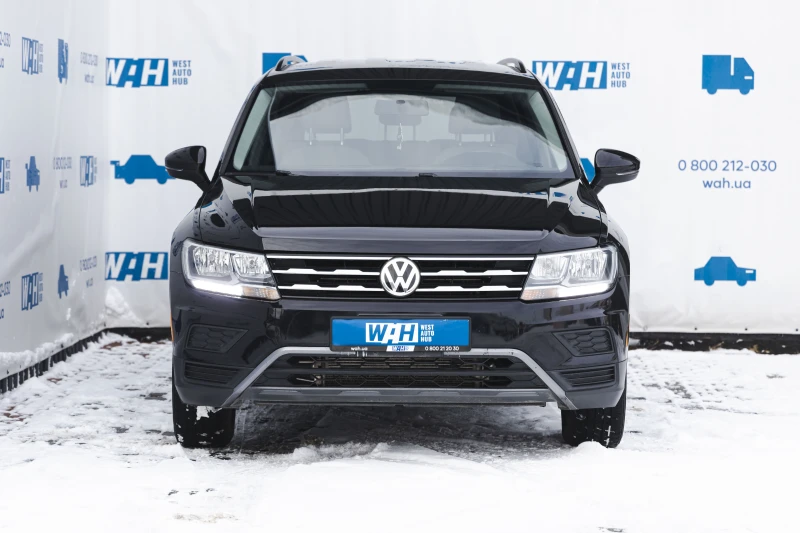
This generation, produced from 2016 to 2023, gained huge popularity thanks to its versatility and solid German build quality, yet it comes with several well-known weak points. Volkswagen Tiguan 2016–2023 issues often show up in the engines, transmission, electronics, and bodywork. In this guide we break down the main drawbacks of a used Tiguan, taking into account typical conditions on the U.S. market. For a full overview of the generation, specs, and interior check out our other articles in the series.
Key Drawbacks of the Generation
Tiguan II owners commonly mention several recurring issues that affect day-to-day ownership. These are based on feedback from forums, sites like CarComplaints, and international owner reports.
- Higher-than-average fuel consumption: Gasoline 1.4 TSI and 2.0 TSI engines typically use 20–28 mpg in city driving, which is noticeably thirstier than rivals like the Toyota RAV4. Diesels 2.0 TDI are more frugal (up to 35–40 mpg highway), but availability is limited in the U.S.
- Engine issues: The 2.0 TSI (especially pre-2018) is notorious for oil consumption — sometimes up to 1 quart per 1,000 miles due to piston ring design. Other common failures include turbocharger problems, throttle body issues, carbon buildup, and early timing chain tensioner failures that can lead to major engine damage.
- DSG transmission: The dual-clutch gearbox (DQ250/DQ500) needs fluid changes every 40,000 miles; otherwise, mechatronic unit failures are common. Many owners report jerking and overheating in heavy traffic.
- Sound insulation: Base trims suffer from noticeable road, wind, and engine noise on the highway. The 2020+ facelift brought improvements, but it’s still not class-leading.
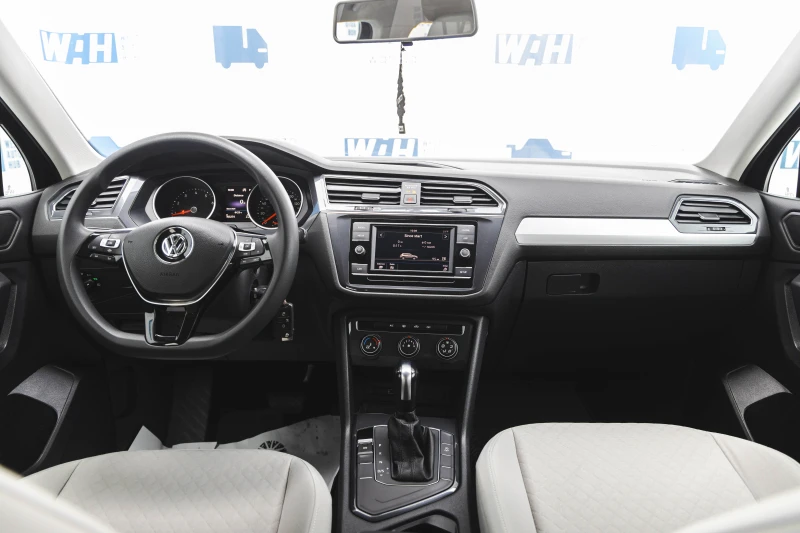
- Electronics and infotainment: MIB system glitches (freezes, reboots), issues with adaptive cruise, heated seats, and keyless entry. Navigation maps often require paid updates.
- Body & paint: Paint chips easily on hood and doors, fuel door can freeze in winter. Rust appears on underbody and wheel arches in regions with road salt.
- Expensive parts and service: Genuine components (turbo, DSG) are pricey — often $1,000–$3,000+. Dealer service is costly, though aftermarket options exist with varying quality.
- Suspension: Shocks wear out after 30,000–50,000 miles on rough roads; rear springs occasionally break.
These issues are manageable, but they demand careful inspection when shopping for a used Volkswagen Tiguan.
Model Years & Versions: What to Pay Extra Attention To
Problems with the Volkswagen Tiguan 2016–2023 vary significantly by year. Early models (2016–2018) suffer more from “first-year” troubles.
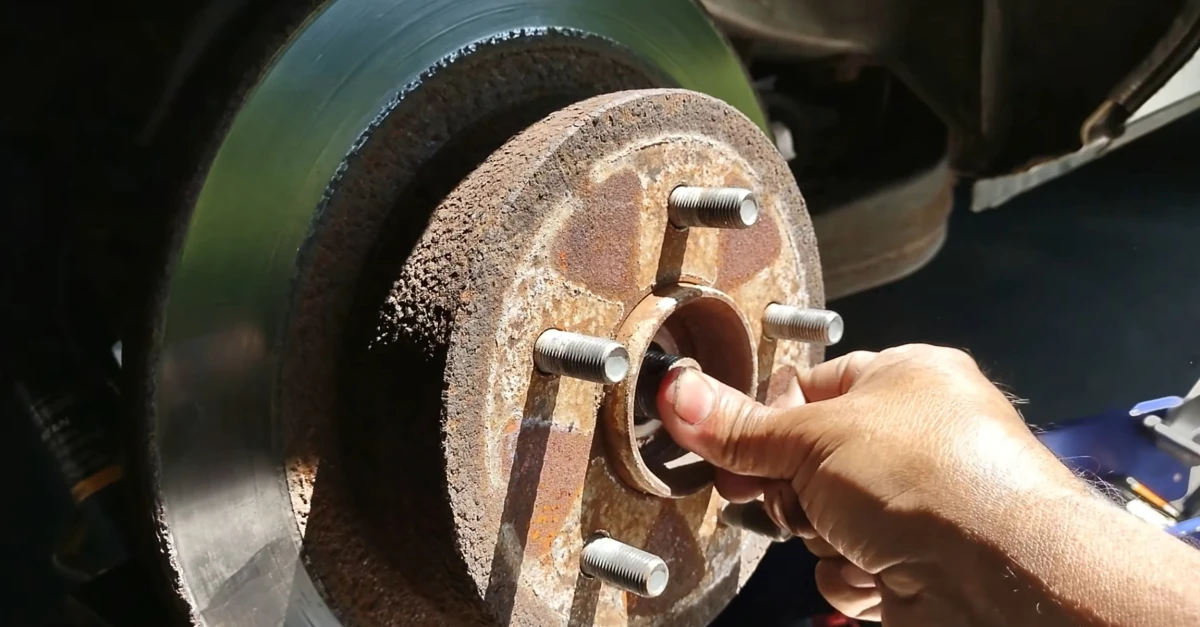
- 2016–2017: Multiple recalls — front seats, brake rotors, tow hitch. EA888 Gen2 engines with heavy oil consumption and oil pump issues. Poor sound insulation and finicky electronics. Avoid unless you have impeccable service records.
- 2018–2019: Some engine improvements (Gen3), but 2.0 TSI oil consumption persists. DSG and turbo complaints remain. MIB2 infotainment feels dated with frequent glitches.
- 2020–2023 (facelift): Much better sound deadening, upgraded MIB3 infotainment, refined DSG. Fewer engine complaints, though touch controls can be frustrating in cold weather. These years are generally the safest choice; still inspect AdBlue system on rare diesels.
Late-model diesel versions (2.0 TDI) tend to be more dependable than gasoline ones, but they’re very rare in the U.S. market. Watch out for potential electronics adaptation issues on imported Allspace variants.
Used Market in the United States
The Volkswagen Tiguan II remains very popular on the U.S. used market: thousands of listings are available at any given time. Prices typically range from $14,000 to $28,000 depending on year, mileage, and condition (2025–2026 market data). Key points to consider:
- Body condition: Check for rust on rockers, wheel arches, and undercarriage — especially in salt-belt states. A lift inspection is essential; hidden rust repairs can easily run $1,500–$3,000.
- Service history: Many vehicles lack full dealer records. Always demand documentation; without it, check for possible odometer rollback via CARFAX or similar.
- Original vs aftermarket parts: Cheaper non-OEM replacements are common; verify that critical components like turbo or DSG weren’t swapped with low-quality parts.
- Maintenance intervals: Oil changes every 10,000 miles, DSG fluid every 40,000 miles. Neglect often leads to expensive failures.
- Realistic mileage: Average is 90,000–150,000 miles. Cross-check with wear on interior, pedals, and VIN history.
- Trim authenticity: Some cars get aftermarket “upgrades” — use VIN decoder to confirm original equipment.
U.S. roads and weather conditions amplify wear on suspension and electronics.
Ownership & Repair Budget
Many Tiguan II issues can be addressed proactively. Approximate repair costs in the U.S. (2025–2026 prices in USD):
| Issue | Repair | Estimated Cost |
|---|---|---|
| 2.0 TSI oil consumption | Piston ring / short-block replacement | $3,000–$6,500 |
| DSG problems | Fluid service / mechatronic repair | $400–$2,500 |
| Poor sound insulation | Additional sound deadening | $800–$1,800 |
| Infotainment glitches | Software update / module replacement | $300–$1,200 |
| Rust prevention | Undercoating & rust treatment | $400–$1,200 |
| Suspension (shocks) | Shock absorber replacement | $800–$1,600 |
| Routine maintenance (oil service) | Oil + filters | $150–$350 per service |
For a solid example (100,000–150,000 miles, 2020+), budget $18,000–$25,000 + $1,500–$3,500 for initial inspection and repairs. Expect annual maintenance costs of $800–$1,800.
Final Thoughts & Recommendations
The Volkswagen Tiguan 2016–2023 issues don’t make it a bad choice, but they do require diligence. It remains an attractive option if you want a comfortable, well-equipped family crossover with strong driving dynamics and good resale value. The smartest buys are facelifted models (2020–2023) with the 2.0 TSI — they offer the best balance of refinement, fewer childhood diseases, and better overall dependability.
Steer clear of early (2016–2017) gasoline versions without bulletproof records — repair costs can escalate quickly. Pay special attention to pre-2018 2.0 TSI engines: check oil level, consumption history, and compression.
During inspection: full dealer or independent diagnostic scan (engine, DSG, electronics), thorough test drive (for jerks and noises), body/paint inspection for rust, and VIN check for open recalls. With proper care and realistic expectations, a well-maintained Tiguan II can easily reach 150,000–200,000+ miles without catastrophic failures.