


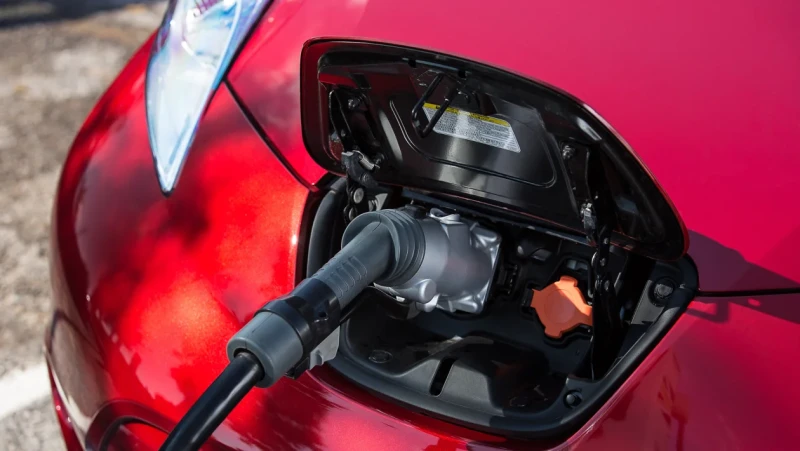
The original Nissan Leaf from 2010–2017 came with challenges typical of early electric vehicles: significant battery degradation and somewhat dated technology. As a used EV, it's remained quite popular in the United States thanks to its affordability, but it demands a careful inspection. This guide covers the major drawbacks, year-by-year issues, U.S. market specifics, potential fixes, and smart buying advice. For full specs, tech overview, and interior details, check our other guides. Information is based on owner experiences and market data as of 2025, when the first-gen Leaf continues serving as a budget-friendly entry into electric driving.
Major Drawbacks of the Generation
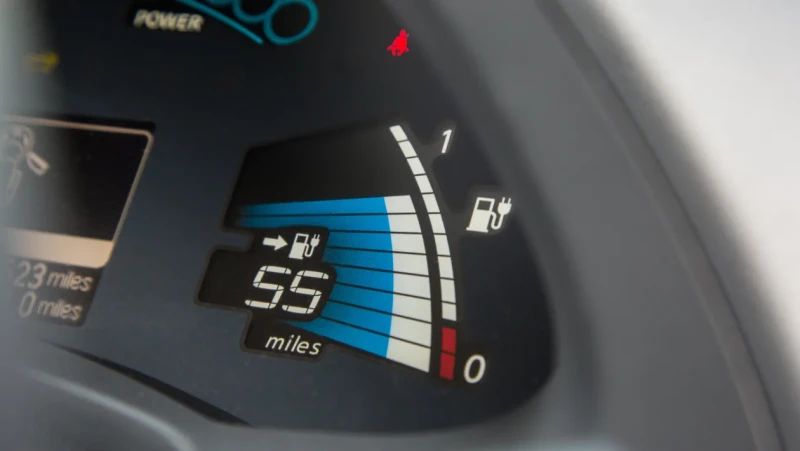
The most common issues with the first-generation Nissan Leaf, reported by owners worldwide including in the U.S., include several key areas. First and foremost is battery degradation — the primary concern for 2010–2017 Leaf models. The air-cooled lithium-ion pack (24 kWh until 2015, then 30 kWh) loses capacity over time: typically 2–3% per year on average, though hotter climates or frequent fast charging can accelerate this. Without active thermal management, real-world range often drops from the original 70–100 miles to 45–75 miles after many years, which can be noticeable during cold winters or hot summers in many U.S. states.
Energy consumption also runs higher than many modern EVs: roughly 28–40 kWh/100 miles in mixed driving, climbing to 45+ kWh/100 miles on the highway or in extreme temperatures — meaning longer charging times and higher costs (though still far cheaper than gasoline). The infotainment and navigation feel dated: small 5–7 inch screens, sluggish response, no Apple CarPlay or Android Auto, and outdated maps. Body corrosion is uncommon but can appear on wheel arches and underbody, especially on vehicles imported from rust-belt regions or coastal areas with road salt.
Other frequent complaints include modest sound insulation — wind, tire, and aerodynamic noise become prominent above 50 mph, which can make highway trips tiring. Service can be tricky: not every shop is comfortable with EVs, and proper diagnostics often require specialized tools like Leaf Spy. Parts prices vary: inverters run $800–$1500, individual battery modules $200–$600 each, though the motor and reduction gear are generally very durable. Additional weak points: low ground clearance (about 6.3 inches) leads to scraping on rough roads, regenerative braking that's not always strong, faster tire wear due to battery weight, and occasional electronics glitches (forward collision warning, airbag sensors, 12V battery needing replacement every 3–4 years).
Model Years & Versions: What to Watch For
Issues vary across model years in the first-gen Leaf. The earliest models (2010–2012, ZE0) tend to show more problems: 24 kWh batteries with faster degradation (SOH frequently below 75% by 2025), more frequent inverter and electronics faults, and poorer overall noise control. Later pre-facelift cars (up to 2013) lack a heat pump, increasing winter energy use. Post-2013 facelift models (AZE0) bring better aerodynamics and the more efficient EM57 motor, though battery cooling remains passive. The 2016–2017 models with 30 kWh packs offer noticeably slower degradation and are generally the most desirable.
In the U.S. market, early models are often the most budget-friendly ($4,000–$7,000), but carry higher risk — avoid anything below 75–80% SOH unless planning a battery upgrade.
| Years | Key Issues | Recommendation |
|---|---|---|
| 2010–2012 | Rapid battery degradation, electronics glitches, poor noise insulation | Inspect very carefully, consider only with battery upgrade |
| 2013–2015 | Improvements, but still passive cooling, occasional corrosion | Good balance, prioritize high SOH examples |
| 2016–2017 | Slower degradation, fewer inverter failures | Best choice if budget allows |
The Used Market in the United States
The U.S. used market for first-generation Nissan Leaf features many vehicles from California, Arizona, and other sunny states (faster degradation risk) as well as northern regions (potential salt corrosion). Key things to check: body condition — inspect wheel arches, sills, and undercarriage for rust (especially important for cars from snowy states). Service records: many lack complete history, so rely on professional diagnostics (Leaf Spy is inexpensive and valuable). Original parts availability: batteries and inverters are obtainable, though some owners turn to refurbished packs or third-party modules.
Maintenance interval: every 6,000–10,000 miles for filters/fluids, though many owners skip them — check tire and suspension wear. Real mileage: odometer tampering is rare (battery data provides a good cross-check), but always verify SOH against miles. Trim authenticity: higher trims (SV/SL) often include better audio, but many U.S. examples are base models. Market listings: hundreds available on sites like Cars.com, Autotrader, with prices typically ranging from $4,000–$9,000 depending on year, condition, and battery health; 2015+ with 30 kWh packs are most sought after.
Ownership & Repair Budget
Common fixes for the first-gen Leaf include battery upgrades to 40 kWh packs (around $3,000–$6,000, often adding substantial range). Sound deadening upgrades (doors/floor) run $500–$1,200. Modern infotainment retrofit with Android-based head units costs $300–$600. Routine items: 12V battery (~$120), tires (~$400–$600/set), brakes (~$250). Rust repair and undercoating: $400–$800.
Expect to pay approximately $6,000–$9,000 for a solid 2015–2017 example with good battery health (SOH >85%). Budget an additional $1,000–$3,000 in the first year for diagnostics, maintenance, and possible small repairs. Total realistic investment for a reliable driver: $7,000–$12,000 including any immediate upgrades.
Final Thoughts & Buying Advice
So, is the 2010–2017 Nissan Leaf still worth considering in 2025? Absolutely — if your daily driving is mostly around town, under 60–80 miles, with reliable home charging access. It's an economical first EV with very low running costs (often 3–5 cents per mile) and a surprisingly durable drivetrain (motor frequently lasts well beyond 200,000 miles). Skip the earliest 2010–2012 models without major battery work due to higher risk. The sweet spot is usually 2016–2017 30 kWh versions in SV or SL trim for better equipment.
When inspecting: demand a battery SOH reading (aim for at least 80%), test drive in varied conditions, check thoroughly for corrosion, and verify electronics (safety systems, sensors). Be extra cautious with ex-rental or high-use fleet cars. If budget is tight, target 2013–2015 models from a reputable seller with some warranty. The first-gen Leaf's drawbacks are real, but for thoughtful buyers, the advantages still make it a smart, wallet-friendly EV choice in the United States.