


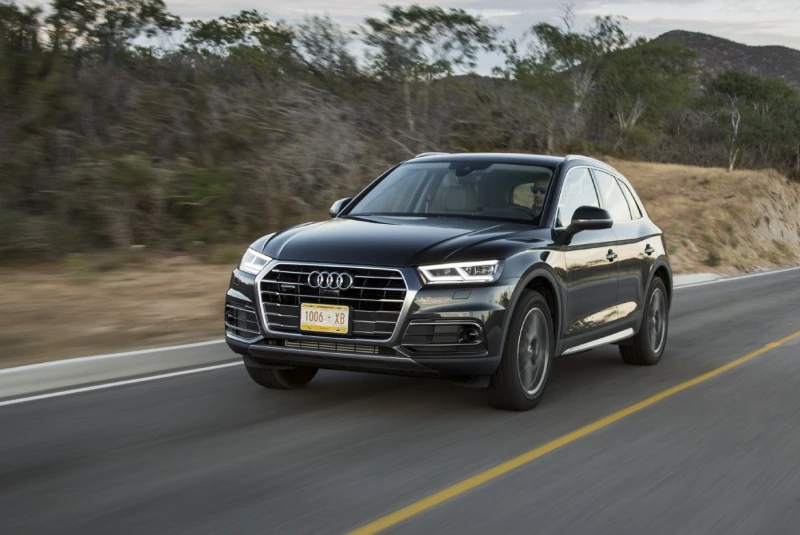
The 2017–2023 Audi Q5 comes with both classic Audi quirks and model-specific concerns. When shopping for a used Q5 in the US market, local road conditions and driving habits play a big role. For full specs, tech features, and interior reviews, check our other guides. Here, we dive into the major drawbacks, year-by-year issues, US market realities, repair costs, and smart buying tips.
Key Drawbacks of the Generation
The Audi Q5 II (2017–2023) is generally a solid luxury compact SUV, but several common issues tend to appear after 60,000–90,000 miles. Owners frequently report higher-than-average fuel consumption — the 2.0 TFSI can easily hit 18–22 mpg in city driving, which is on the thirstier side for the class. This is mainly due to the turbo engine and standard quattro all-wheel drive.
The pre-facelift MMI infotainment feels dated, with screens that can freeze, lose smartphone connection, and outdated navigation without updates. The 2021+ facelift models received the newer MIB 3 system, which helps, but even then it doesn't fully match 2025–2026 standards.
Rust isn't a huge issue thanks to galvanized body panels, but in regions using road salt during winter, check wheel arches, rocker panels, and underbody components carefully. Sound insulation lags behind rivals like the BMW X3 or Mercedes GLC — wind and tire noise become noticeable above 60–65 mph, especially with winter tires.
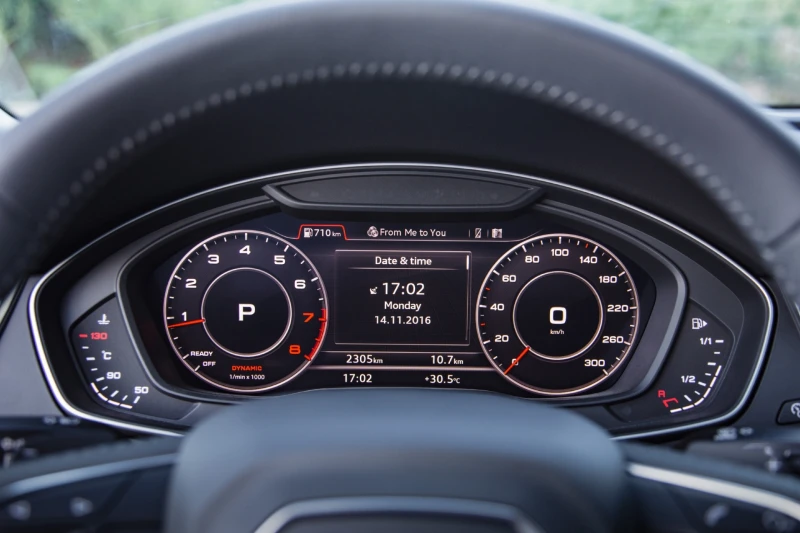
Maintenance runs expensive: genuine parts carry premium pricing, and some aftermarket options don't always fit perfectly. Timing chain service on the 2.0 TFSI can easily run $2,000–$3,500. Other frequent complaints include moderate oil consumption (up to about 1 quart per 1,000–1,500 miles), weak turbo wastegate, fuel leaks at the pump flange, start-stop system failures, and panoramic roof issues (sticking or minor leaks). Electronics can also act up — Virtual Cockpit glitches, climate control malfunctions, and battery/alternator problems.
Suspension and brakes need regular attention: shocks wear faster on rough roads, and rotors/pads wear quickly due to the vehicle's weight. Overall, the Q5 II isn't the most budget-friendly luxury SUV to own, but with proper care it can deliver long-term reliability.
Model Years & Versions: Red Flags to Watch For
Problems with the 2017–2023 Audi Q5 vary significantly by model year. Early models (2017–2018) show the most issues: the 2.0 TFSI often suffers from excessive oil consumption and timing chain stretch, leading to costly repairs (frequently $4,000+). Turbo wastegate failures are common, and early electronics/start-stop systems are less dependable.
Pre-facelift versions (2017–2020) have weaker sound deadening, the pop-up MMI screen feels outdated, and both engine and S tronic transmission require diligent maintenance. By 2019–2020, oil consumption and chain issues were partially addressed but still appear.
The 2021–2023 facelift brought real improvements: MIB 3 infotainment with larger touchscreen, better noise insulation, updated driver aids, and more robust engines. Still, panoramic roof leaks and touch-sensitive climate controls can be problematic. Plug-in hybrid (Q5 TFSI e) versions have their own concerns — battery degradation and charging infrastructure limitations in many areas.
Diesel models (2.0 TDI) tend to be more reliable than gasoline ones, but they're rare in the US market due to fuel quality and emissions preferences. Avoid high-mileage early 2017–2018 examples unless they've had major service records.
| Model Year | Typical Issues |
|---|---|
| 2017–2018 | Oil consumption, timing chain stretch, turbo problems, electronics glitches |
| 2019–2020 | Some improvements, but oil use and weak sound insulation persist |
| 2021–2023 | Upgraded infotainment, but watch for roof leaks and electrical quirks |
Used Market in the United States
The US used market has plenty of 2017–2023 Q5s, many imported from various states or Canada. Road salt in northern regions accelerates underbody corrosion — always inspect wheel arches, rockers, and suspension components thoroughly. Rough roads in some areas wear suspension faster (shocks, control arms).
Service history is critical: many vehicles lack complete records, and odometer rollback happens — always run a CARFAX or similar report. Genuine parts are pricey in the US, so many owners switch to aftermarket, which can affect long-term reliability. Recommended service interval is every 10,000 miles, but skipped maintenance often leads to engine issues.
Verify accident history: many examples come from salvage or flood titles — check for proper repairs. Market prices vary widely: expect $14,000–$20,000 for solid 2017–2018 models, up to $28,000–$35,000+ for low-mileage 2021–2023 examples. High-mileage (90,000+ miles) vehicles often need upcoming repairs.
Ownership & Repair Budget
Most issues with the 2017–2023 Q5 are fixable. Excessive oil consumption can often be addressed with piston ring replacement ($2,000–$4,000). Timing chain service runs $2,000–$3,500. Additional sound deadening costs $500–$1,200. Infotainment upgrades or aftermarket replacements range $300–$1,000.
Rust prevention treatments cost $300–$800, fuel system fixes around $500–$800. Routine maintenance (oil, filters) runs $300–$500 per visit. Suspension refresh (shocks) typically $1,000–$2,000 for the set.
Realistic budget for a good example: $20,000–$28,000 for a 2019–2020 with ~60,000 miles, plus $2,000–$5,000 for initial fixes and updates. Facelift models start around $28,000–$38,000 + $1,500–$3,000 for maintenance. Expect $1,000–$2,500 in annual upkeep on average.
Final Thoughts & Buying Advice
The Audi Q5 II remains a solid used luxury SUV choice in 2025–2026, especially facelifted 2021–2023 gasoline models (or rare diesels) with under 90,000 miles and full service history. It's comfortable, holds value well, and rewards careful ownership. Steer clear of early high-mileage 2017–2018 examples unless major services (chain, oil consumption fix) are already documented — those can get expensive quickly.
During inspection, focus on: thorough test drive (listen for noises/vibrations), VIN history check, body/paint condition, electronics functionality, and suspension health. Consider a pre-purchase inspection at an Audi specialist or trusted independent shop. If budget allows, go for well-equipped S line versions — they're usually more desirable on resale. In the end, the used Q5 suits buyers ready for premium ownership costs but who approach early-year examples with caution.