


The Renault Megane II (2002–2009) is known for typical French-car issues of that era: finicky electronics, engine and transmission troubles. It remains a popular used-car choice in the United States thanks to its low purchase price, European styling, and decent comfort — but only if you inspect it carefully. In this guide we break down the most common problems based on owner reports from forums, mechanic feedback, and real-world data.
Main Weak Points of the Generation
The Megane II offers French flair and a distinctive look, but it also carries a reputation for several recurring issues:
- Electrical system: The most frequent complaints involve the hands-free keycard, sensors, corroded wiring, and random failures. Issues with the heater blower, power windows, ABS, and airbags are also common. Road salt and humidity in many states make things worse.
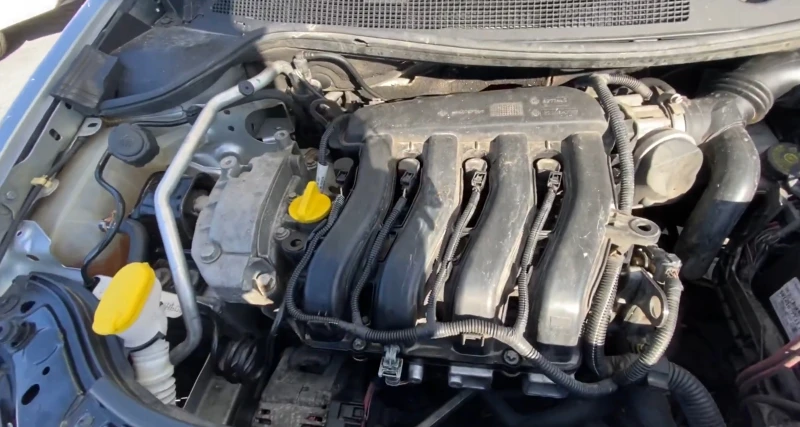
- Engines: 1.6 and 2.0 petrol units — variable valve timing (VVT) solenoid/gear rattle on cold start (replacement ~$250–$600). 1.5 dCi diesels — main bearing wear (especially with poor oil changes), EGR valve clogging, turbo failures, and expensive injectors (~$400–$900 each).
- Transmission: DP0/AL4 automatic — notorious for overheating, solenoid failures, and complete breakdown after 90,000–120,000 miles (rebuild $1,500–$3,500). Manual gearboxes are far more reliable, though they can develop axle seal leaks.
- Rust: Galvanized body helps, but wheel arches, sills, underbody, and exhaust system still corrode — especially in salt-belt states.
- Other common issues: Poor sound insulation, real-world fuel consumption higher than advertised (premium unleaded 22–28 mpg city), dated infotainment, worn interior plastics and seats (creaks, sagging), and weak suspension bushings/strut mounts.
Most serious problems appear after 90,000–120,000 miles, but with proper maintenance many examples remain reliable.
Pre- vs Post-Facelift: What to Look For
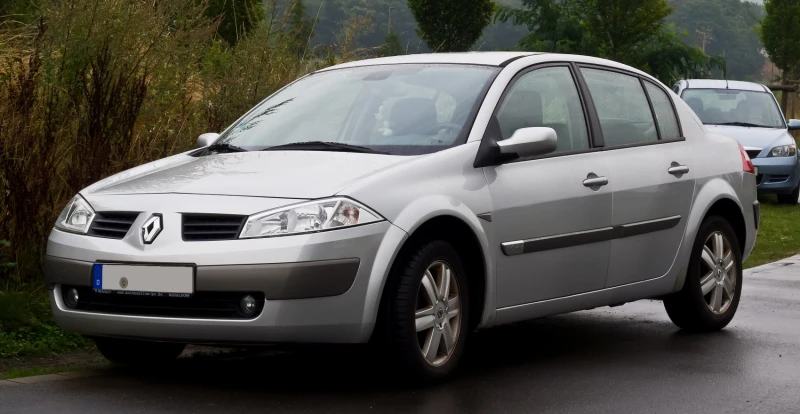
The model is split into pre-facelift (Phase 1: 2002–2005) and facelift (Phase 2: 2006–2009). Early cars suffer from more “childhood diseases”:
- Worse sound deadening and cheaper interior materials
- More frequent VVT issues on petrol engines
- Early 1.5 dCi diesels more prone to bearing spin
- Less refined DP0 automatic
After the 2006 facelift Renault improved the VVT system, insulation, electronics, and suspension. Post-facelift cars are noticeably more reliable and hold value better (usually $1,000–$2,000 more expensive). Avoid 2002–2004 examples unless they have bullet-proof service history — high mileage and possible odometer rollback are common.
| Years | Major Issues | Recommendation |
|---|---|---|
| 2002–2005 (Phase 1) | Electronics, VVT, rust, DP0 transmission | Buy only with full diagnostic report |
| 2006–2009 (Phase 2) | Fewer issues, better materials & updates | Strongly preferred |
Used Market in the United States
Most Megane II examples in the US are gray-market imports from Europe. Key things to check:
- Body: Inspect wheel arches, rocker panels, underbody, and frame rails for rust (especially in Midwest/Northeast states).
- Mileage: Odometer tampering is not uncommon — always run a full ECU scan and check CARFAX/AutoCheck.
- Service history: Look for documented maintenance records. No history = higher risk.
- Parts availability: Common parts are inexpensive, but turbo, injectors, and DP0 rebuild kits can get pricey.
- Equipment: Verify options match factory build — added aftermarket parts can hide issues.
Current market prices for decent examples usually range from $4,000 to $8,000 depending on condition, mileage, and year (2025–2026 data). Diesels are rare in the US and often more expensive to maintain due to fuel-quality sensitivity.
Ownership & Repair Budget
Many problems are fixable without breaking the bank:
- Extra sound deadening — $400–$900
- Modern Android head unit — $250–$600
- Localized rust repair — $300–$1,200
- VVT solenoid/gear — $250–$600
- Electrical diagnosis + repair — $150–$800
- Full suspension refresh — ~$800–$1,500
Plan to spend an extra $1,500–$3,000 on top of the purchase price to bring a typical example into reliable condition (diagnostic scan, fluids, bushings, minor fixes). Annual maintenance on a well-sorted car usually runs $600–$1,200. With regular care, it won’t bankrupt you.
Final Verdict & Buying Tips
In 2026 the Renault Megane II remains a reasonable budget buy under $8,000: stylish, comfortable, and fun to drive with a good suspension. It’s worth considering if you like European character and are ready for proactive maintenance. The sweet spot is a 2006+ facelift model with the 1.6/2.0 petrol + manual, or — if you find one — the more durable 1.9 dCi diesel, preferably a sedan or wagon with documented history.
Avoid: DP0 automatics unless recently rebuilt, early 1.5 dCi diesels, pre-facelift cars without records, and any high-mileage examples with questionable odometer readings.
During inspection and test drive: insist on a full pre-purchase inspection (ECU scan, suspension check, paint thickness measurement), listen for knocks, watch for warning lights, and check all electrical functions. A solid Megane II can deliver years of enjoyable, trouble-free driving.