


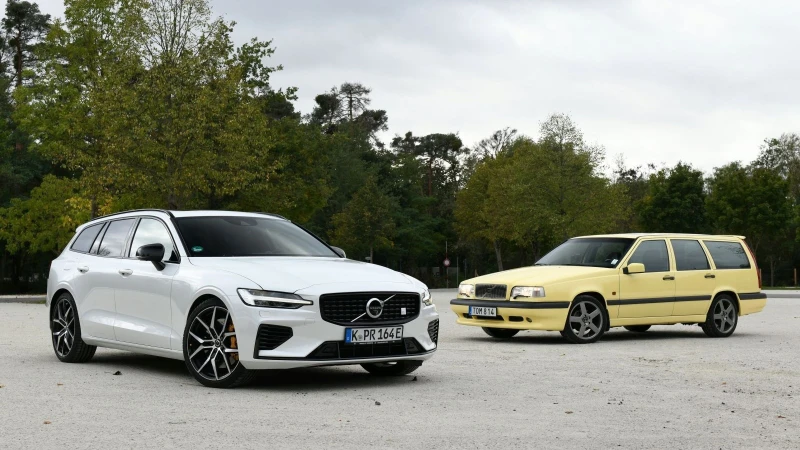
However, in recent years the Swedish company has actively shifted its focus toward crossovers and SUVs, gradually reducing its lineup of traditional passenger models. Now the strategy may change once again.
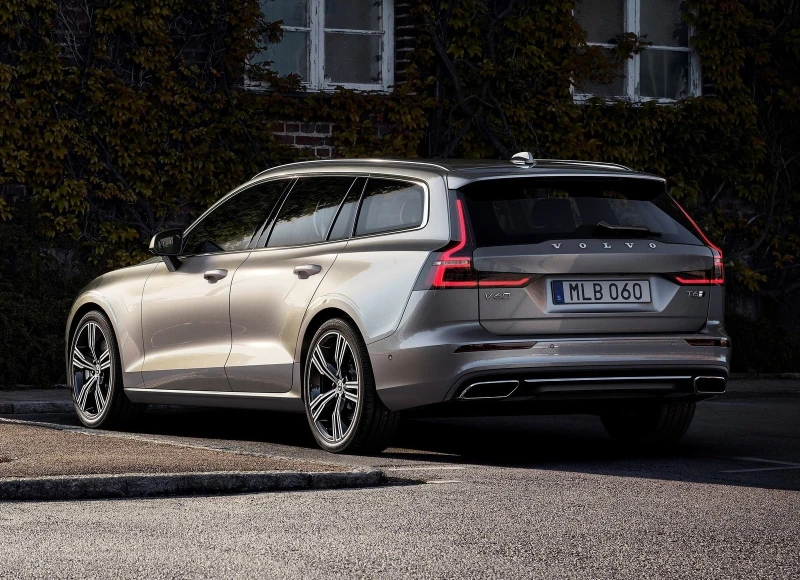
Volvo management has effectively acknowledged that a complete rejection of station wagons was too risky a move. After the sales decline and changes in the market situation, the company has started to reconsider its attitude toward vehicles with a lower body height.
Why Volvo Decided to Drop Station Wagons
Until recently, Volvo openly declared that the brand's future was tied primarily to crossovers. The main reason for this decision was the high popularity of the XC40, XC60, and XC90 models, which provided the majority of the company's global sales.
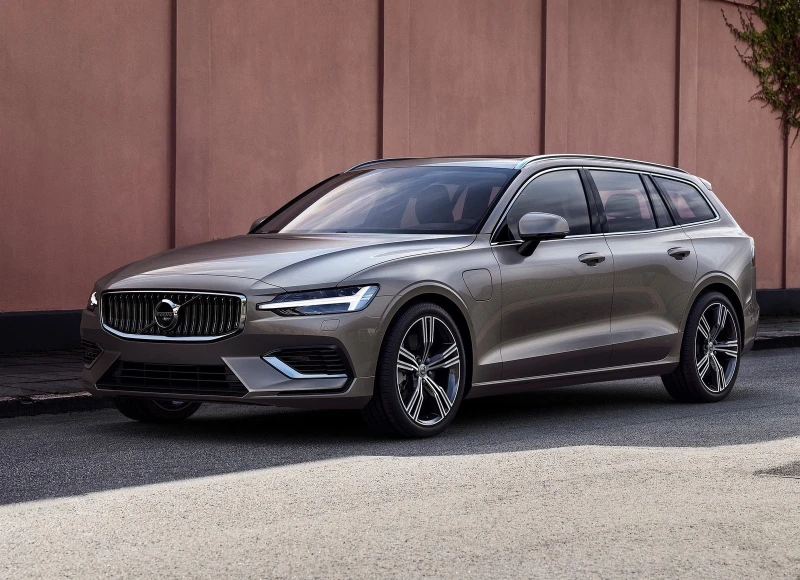
Against the backdrop of growing SUV demand, brand leadership concluded that further development of the V60 and V90 station wagons was not economically viable. The manufacturer planned to focus resources on the most profitable market segments.
Many other companies pursued a similar strategy. Manufacturers gradually reduced the number of sedans, hatchbacks, and station wagons, expanding crossover lineups in virtually all classes.
What Has Changed in the Market
Over time, it became apparent that a universal transition to SUVs does not suit every buyer. Despite the popularity of crossovers, some customers continue to prefer vehicles with a lower seating position, better aerodynamics, and traditional handling.
In addition, many brands faced intensified competition within the SUV segment itself. Today, nearly every company offers several crossovers of varying sizes, causing the models to compete with each other.
Against this background, manufacturers with a more diverse model lineup gained a certain advantage. Buyers retain the ability to choose between different body types instead of being limited exclusively to SUVs.
Volvo Speaks About Station Wagons Again
Current Volvo CEO Håkan Samuelsson confirmed that the company no longer considers crossovers as the sole direction of development. According to him, the market has already shifted too heavily toward SUVs, and in the future Volvo does not plan to limit itself to such vehicles alone.
Technical factors also play an additional role. Lower vehicles offer better aerodynamics, which is especially important for electric vehicles and hybrids.
The main advantages of station wagons in modern conditions:
- lower air resistance;
- better range for electric versions;
- lower energy consumption at high speeds;
- lower center of gravity;
- combination of spaciousness and handling.
For manufacturers, this is becoming especially relevant against the backdrop of tightening environmental requirements and the need to improve vehicle efficiency.
Volvo's Problems Intensified After the Sales Decline
The strategy review coincided with a deterioration in the company's performance. Last year, Volvo's sales decreased by approximately 7 percent compared to the previous period.
The situation continued to worsen this year. In the first quarter, sales declined by another approximately 11 percent.
Against the backdrop of these indicators, the company began to cautiously move away from some previous decisions. Previously, Volvo had already revised plans for an accelerated transition to fully electric vehicles, and now a similar situation is developing with the body-style lineup.
What May Lie Ahead for the Brand
So far, Volvo has not disclosed specific models that may appear in the future. However, statements from management indicate that the company is ready to return to a more diverse model range.
For the brand, this could become an attempt to retain its traditional audience, which for a long time associated Volvo specifically with practical family station wagons. In an environment of high competition in the SUV market, such a step appears logical and aligns with the shifting preferences of some buyers.