


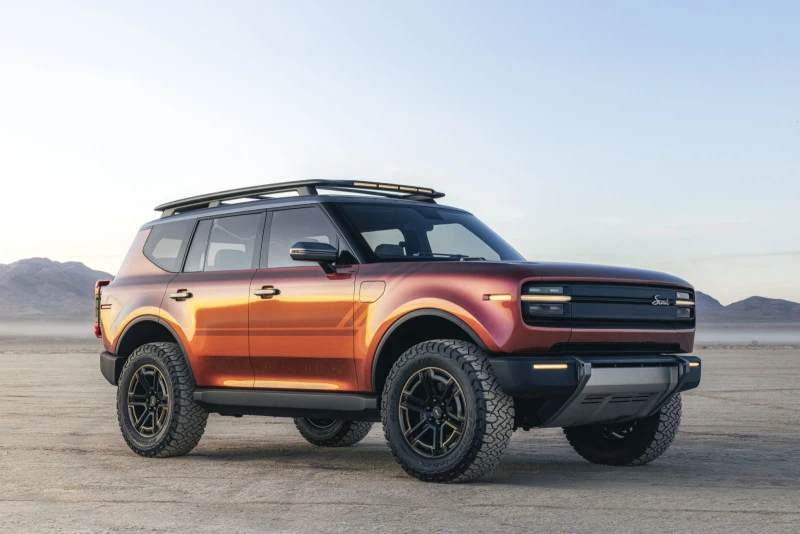
The project was initially conceived as fully electric, but the concept changed during development. Growing interest in versions with a gasoline engine and delays to the models’ launch show how quickly market expectations and manufacturers’ plans can shift.
Ambition Meets Reality
Several years ago, Volkswagen was aggressively expanding its electric vehicle business in anticipation of rapidly rising demand. The company expected to achieve significant sales volumes by the middle of the decade, but actual results proved considerably more modest. This also affected new projects, including the revived Scout brand, which is aimed at the North American market.
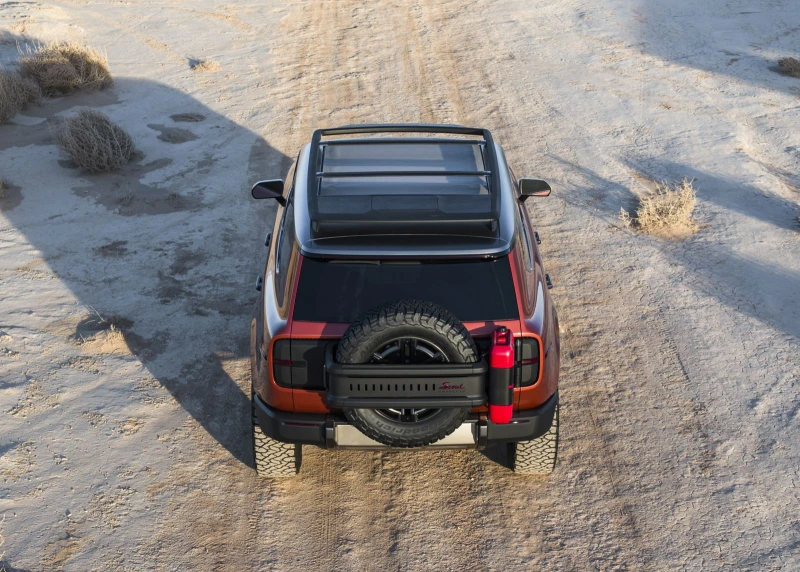
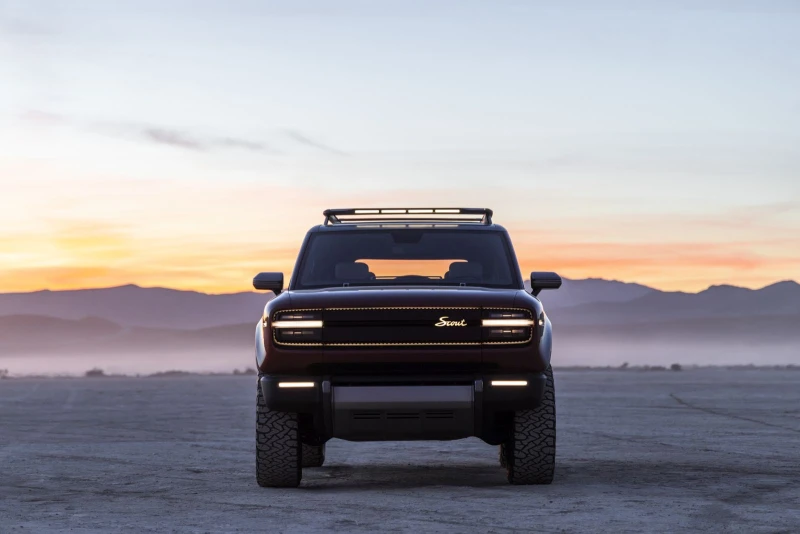
The Scout Traveler SUV and Terra pickup were originally planned exclusively with fully electric powertrains. However, the nature of the market and customer preferences prompted the company to reconsider that approach.
A Range-Extended Version Emerges
By the time the vehicles were unveiled, it had become clear that the fully electric versions were not generating the expected level of interest. As a result, Scout added a configuration with a gasoline engine that acts as a generator to recharge the battery. This setup extends driving range and reduces reliance on charging infrastructure.
This version was initially expected to play a secondary role, but the situation changed after preorders opened.
Demand and Changing Preferences
Preorder data shows a clear preference for models equipped with the additional gasoline engine. About 80% of early orders were for these versions, and their share later increased to roughly 87%. This suggests that nearly all new customers are choosing the range-extended configuration, while some buyers are reconsidering their initial selection.
This trend points to continued consumer caution toward fully electric SUVs, particularly in a segment where long-distance capability and versatility are important.
Development Delays
Production was initially expected to begin around the middle of the decade, but the timeline has been pushed back several times. According to the latest information, the first production vehicles may not arrive until 2028. The delays stem from both technical changes and the need to adapt the project to new requirements.
Costs have also increased, with additional investment required for development and production due to design revisions and coordination with suppliers.
Risks for the Fully Electric Versions
As the market launch moves further into the future, the structure of demand is also changing. The longer the launch is delayed, the greater the possibility that interest in the fully electric versions will decline. This is particularly relevant in the SUV and pickup segments, where buyers traditionally prioritize practicality and driving range.
Under these conditions, the manufacturer must balance its technological ambitions with customers’ actual expectations.
Conclusion
The Scout project demonstrates the importance of flexibility in the automotive industry. Its initially all-electric concept has given way to a more versatile solution, while the timeline for bringing the vehicles to market has been revised. Ultimately, the project’s success will largely depend on its ability to adapt to changing customer demands while maintaining a balance between innovation and practicality.