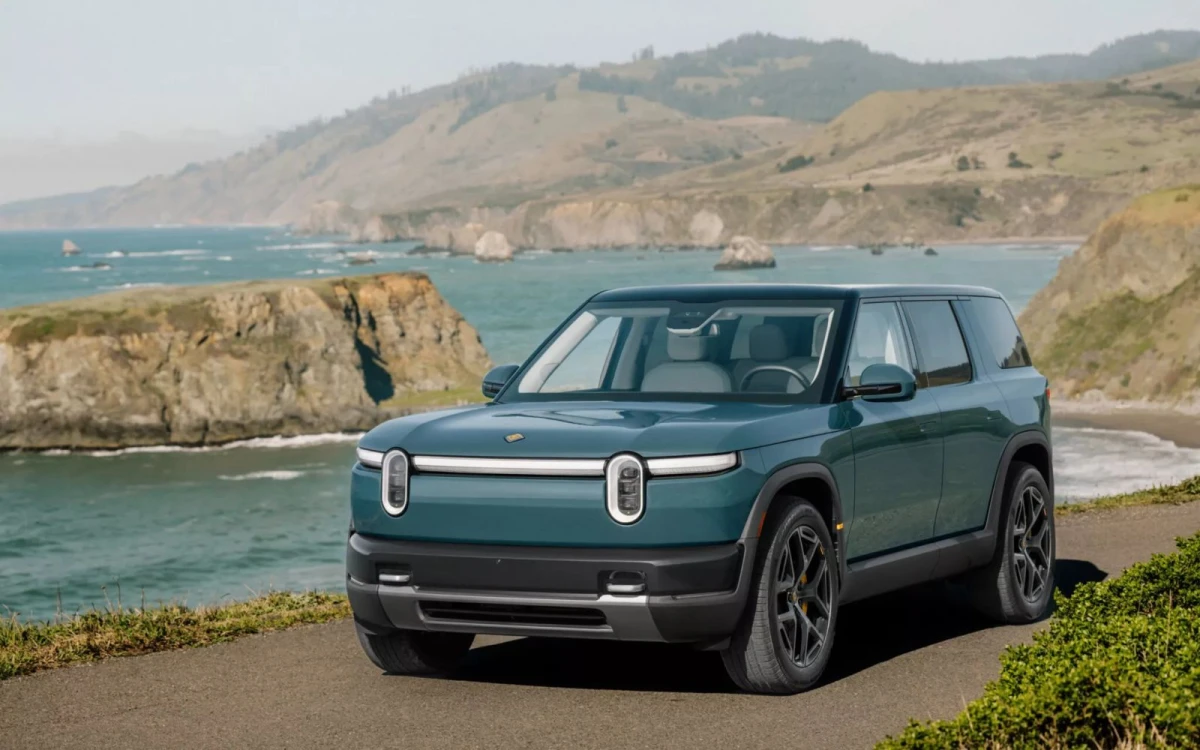
One of the key factors is the rapid decline in these vehicles' value on the used-car market. Real-world examples show that this process is not limited to the first year of ownership and can continue for much longer.
Depreciation as a Major Ownership Cost
When buying a vehicle, many people consider fuel, maintenance and insurance expenses. For modern electric vehicles, however, depreciation can become the most significant ownership cost. Even expensive models can lose tens of thousands of dollars in value over a relatively short period.
This issue affects buyers across different income levels. Regardless of income, the total cost of ownership plays an important role in purchasing decisions, particularly when high-priced vehicles are involved.
Characteristics of the Used EV Market
With internal-combustion vehicles, depreciation usually slows after the first major drop in value. Electric vehicles can follow a different pattern, continuing to lose value beyond their first few years on the road.
Several factors contribute to this trend:
- rapid technological development and the introduction of new models;
- declining prices for new electric vehicles;
- limited demand on the used-car market;
- concerns about battery condition and longevity.
A Real-World Example
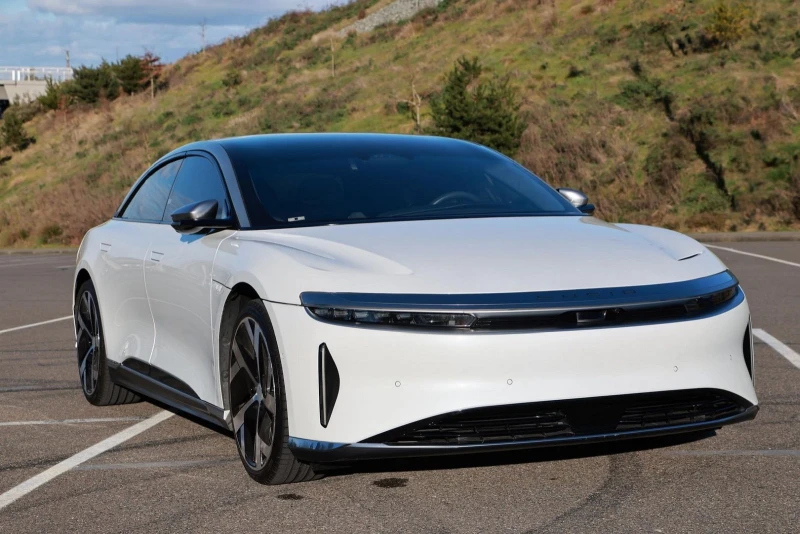
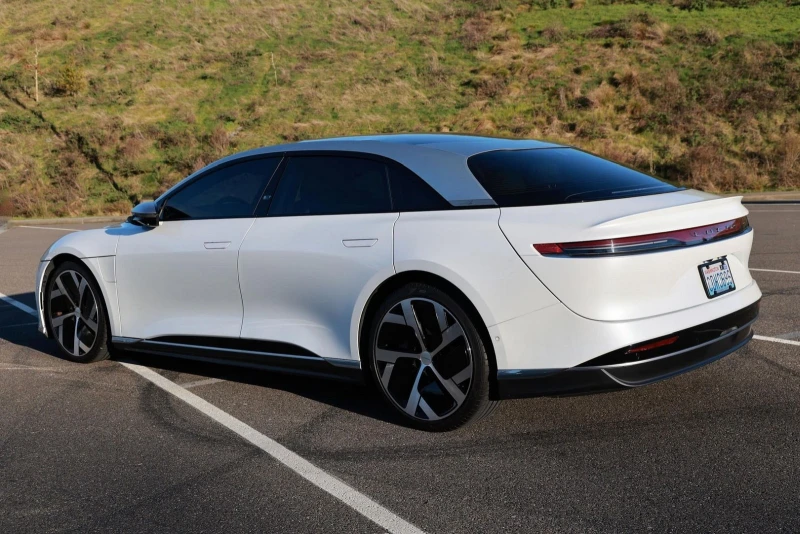
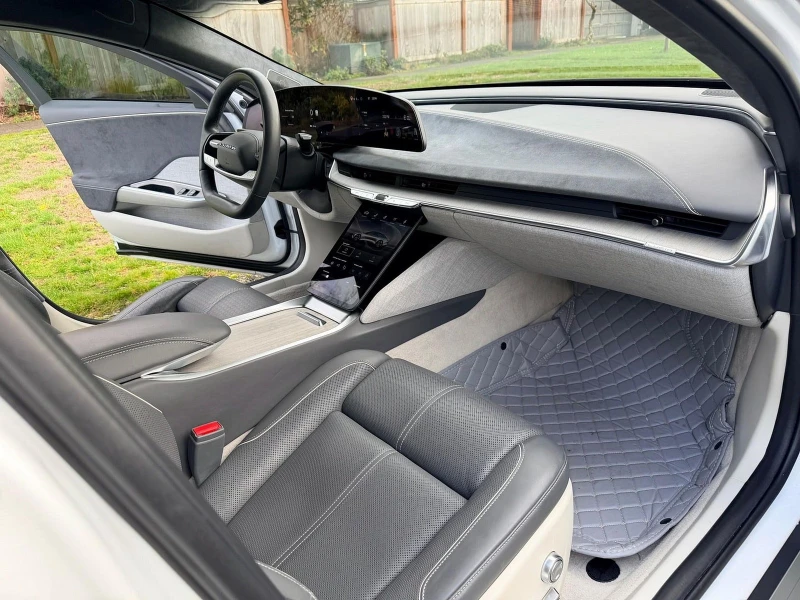
One notable example involves a Lucid Air electric sedan in a top-tier configuration. The vehicle was purchased for approximately $170,000 and had covered about 21,700 miles (35,000 kilometers), considered moderate mileage after several years of use.
Despite its high output, extensive equipment and overall technical sophistication, the vehicle received an auction offer of about $67,000. The owner therefore lost more than $100,000, or over half of the original purchase price.
Buying a vehicle after its initial drop in value does not necessarily guarantee stability. The next owner may also face further depreciation, although potentially at a slower rate.
Comparison With Gas-Powered Vehicles
Vehicles with internal-combustion engines often follow a different pattern. After the initial decline, their values may stabilize and, in some cases, remain relatively high when mileage is moderate.
This pattern is not yet typical of electric vehicles, making their long-term ownership costs less predictable.
The Role of Operating Costs
Lower fuel costs are commonly cited as an advantage of electric vehicles. Compared with depreciation, however, those savings may be relatively small. Over several years, the difference in energy expenses may amount to only a few thousand dollars, far less than the total loss in vehicle value.
Conclusion
Modern electric vehicles can experience substantial depreciation that continues beyond the first few years of ownership. This makes resale value a key factor when calculating the total cost of ownership. Under current market conditions, buying an EV requires a careful assessment of financial risk, particularly on the used-car market.