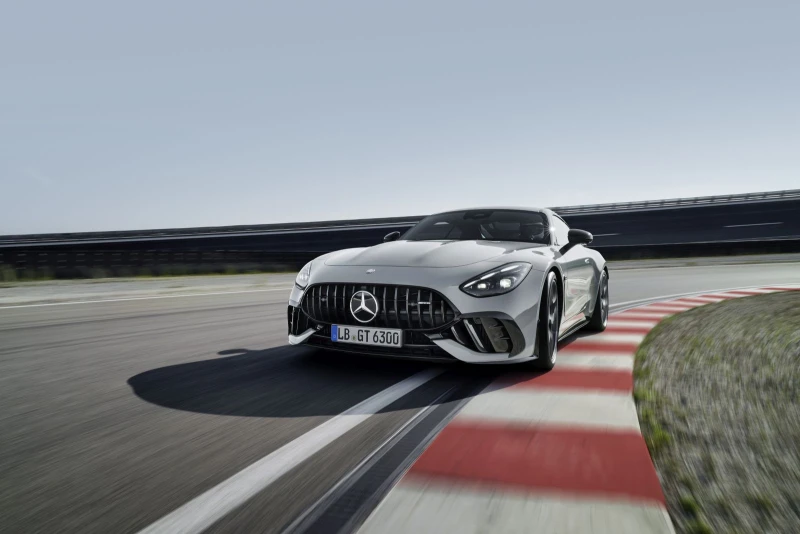
However, the concept changed significantly with the arrival of the second generation. The car became larger, heavier, and aimed at a different audience, affecting its market positioning.
First Generation: Focused on Handling
The first AMG GT, introduced in the mid-2010s, had a distinctly sporty character. It was developed as a standalone model with an emphasis on handling and balance. Its relatively low weight and carefully engineered design gave drivers an engaging experience behind the wheel and positioned it as an alternative to traditional sports coupes.
Although the model did not fully match the Porsche 911, it came close in philosophy and appealed to buyers focused on performance and driving involvement.
Second Generation: A New Platform and Architecture
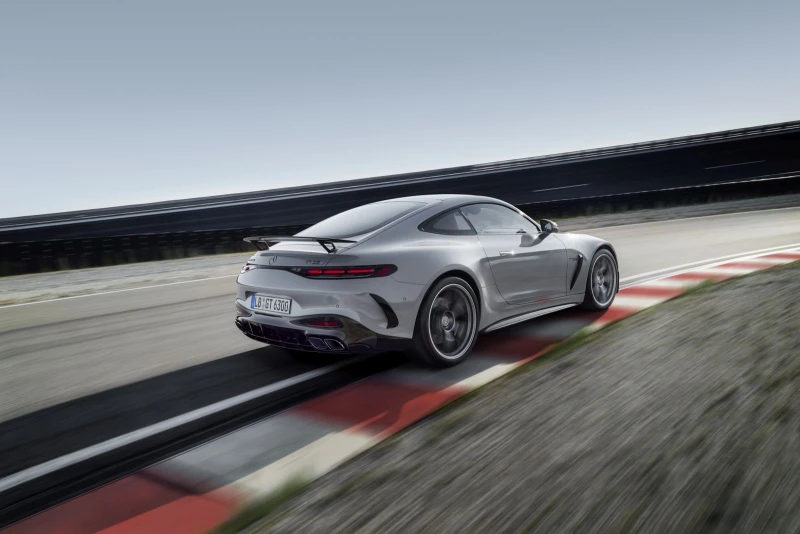
The second-generation AMG GT underwent substantial changes. It adopted a platform related to the SL, affecting its architecture and increasing its weight. As a result, curb weight approached 4,400 pounds (2 metric tons), a significant departure from its predecessor.
The added weight affected the car's behavior, particularly during spirited driving. Despite increased power and the use of modern technology, its performance in some situations proved less engaging than that of the previous version.

A New Target Audience
The shift in concept also changed the model's target audience. According to company representatives, most buyers of the new AMG GT previously owned other Mercedes models, particularly large SUVs. For them, the sports coupe serves as an addition to an existing collection rather than an alternative to models from other brands.
This means the car is now aimed less at customers comparing it with Porsche models and more at buyers already loyal to Mercedes.
Market Positioning
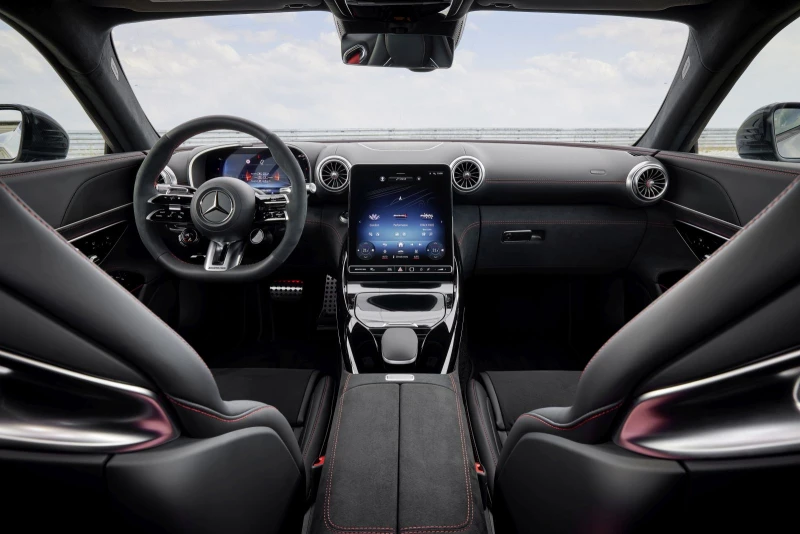
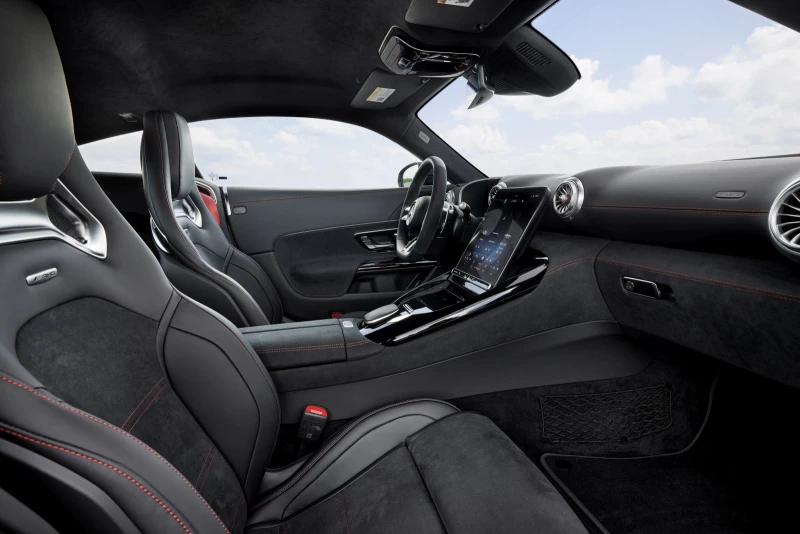
In its current form, the second-generation AMG GT occupies a middle ground between a sports coupe and a comfortable grand tourer. It offers extensive equipment, powerful engines, and modern technology, but its character differs from that of traditional lightweight sports cars.
The model's main characteristics include:
- larger dimensions and greater weight;
- a stronger emphasis on comfort and versatility;
- high power output and extensive equipment;
- a shift in focus from handling to everyday usability.
Conclusion
The second-generation Mercedes-AMG GT reflects a change in the brand's approach to developing sports cars. The model retains strong performance credentials but places greater emphasis on comfort and broader versatility. This has changed both its audience and market positioning, moving the car into a different niche from the one originally envisioned.