


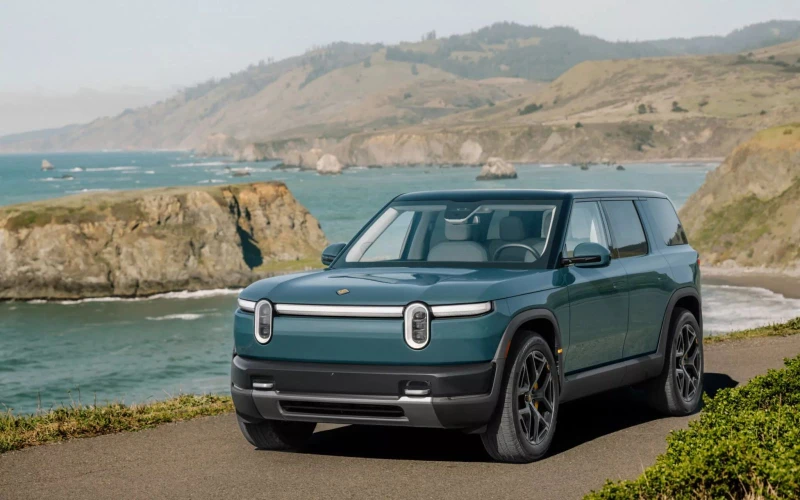
Despite growing sales, the company remains unprofitable, and each new model is viewed as an opportunity to shift the situation. The R2 crossover has become a focal point, expected to broaden the brand’s audience and reduce the average cost of its vehicles.
Financial background and expectations
Rivian has been operating since 2009 and has yet to achieve consistent profitability. Over the past year, the company sold around 42,000 vehicles, with losses exceeding $20,000 per unit. The overall financial result remained negative, totaling several billion dollars.
In this context, launching a more affordable model is seen as a critical move. The R2 is positioned below existing models and is intended to attract new buyers.
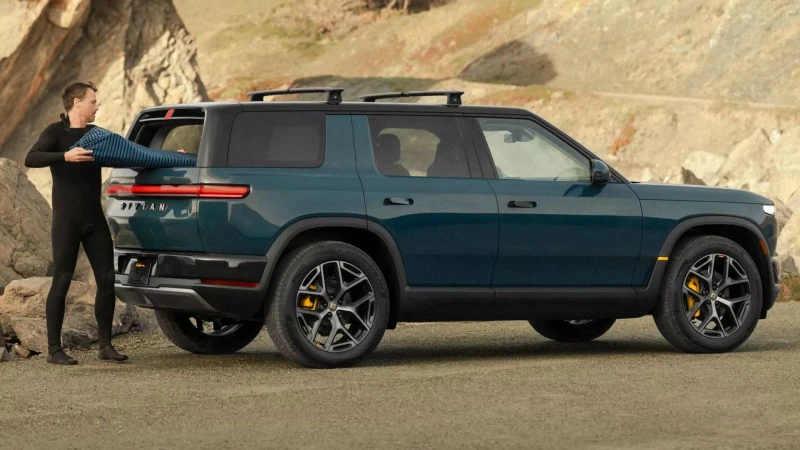
R2 technical specifications
At launch, a dual-motor version is expected, delivering approximately 665 horsepower. Acceleration from 0 to 100 km/h takes about 3.6 seconds, aligning with performance crossover standards.
A battery with a capacity of around 88 kWh provides a claimed range of up to 530 kilometers. However, considering the vehicle’s size and performance, real-world range may be noticeably lower, especially under dynamic driving conditions.
Charging from 10% to 80% takes about 30 minutes using high-power stations. This remains typical for modern EVs, though still less convenient than refueling conventional vehicles.
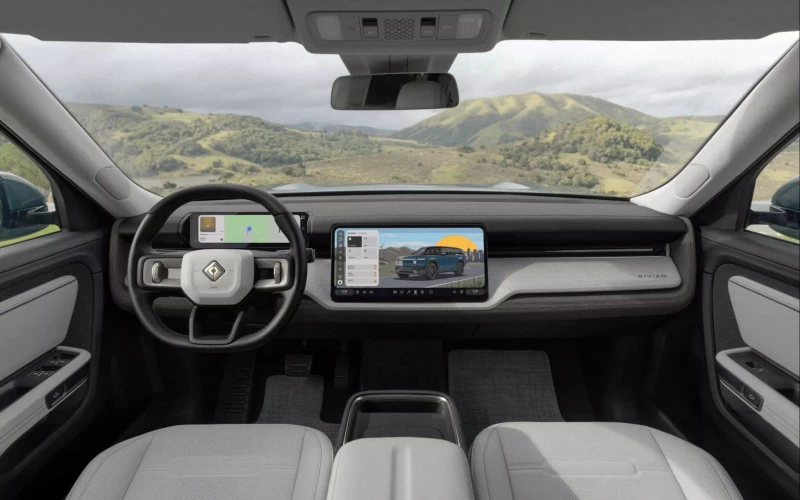
Pricing and competition
The Performance version is expected to start at around $58,000. This is lower than current Rivian models but still above some competitors. Comparable crossovers from other manufacturers may offer similar performance and range at a lower price point.
More affordable versions, priced around $45,000, are planned for later release. However, these variants will likely feature reduced range, which may limit their appeal.
Market conditions and risks
The electric vehicle market is evolving. Interest in fully electric models is stabilizing in certain segments, while some buyers are shifting attention toward hybrids and conventional vehicles. This trend is particularly visible in the SUV segment, where versatility and independence from charging infrastructure are key considerations.
Competition from internal combustion engine vehicles also remains a factor, offering comparable size and capability with more predictable usage patterns.
Conclusion
The Rivian R2 represents an important step in the company’s development and an attempt to reach a broader market. The model combines high power, modern technology, and a more accessible price compared to previous vehicles from the brand. However, in current market conditions, its success will depend on balancing cost, performance, and customer expectations.