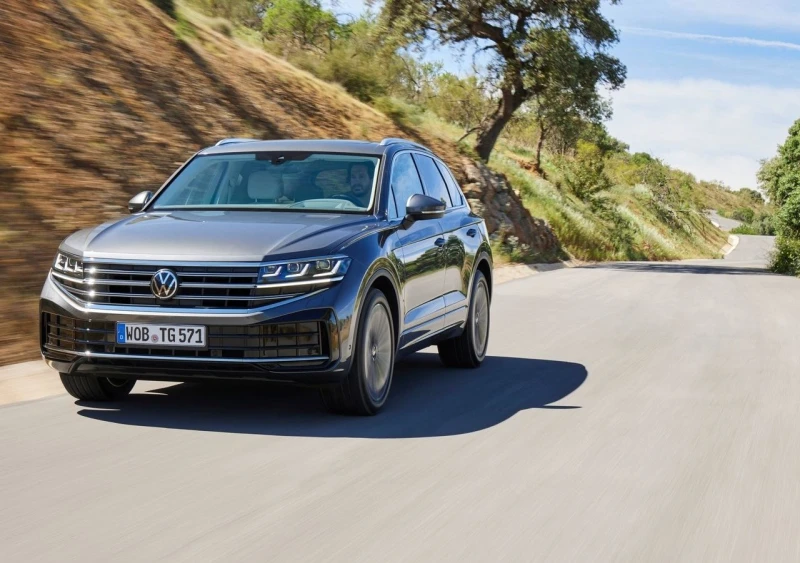
The MLB Evo platform, available air suspension, sophisticated lighting, numerous driver-assistance systems, and 3.0-liter engines put maintenance in luxury-SUV territory. The main ownership risks come from the combination of mileage, equipment, and previous maintenance rather than one defining failure.
The potential drawbacks of the Volkswagen Touareg III depend heavily on its configuration. A vehicle with steel springs and a modest option list may be relatively straightforward to maintain. One equipped with air suspension, active anti-roll bars, rear-wheel steering, matrix headlights, and a panoramic roof offers more capability but also has more expensive components. Age alone is not a reliable guide: a well-maintained 2019 example may need less work than a recently repaired facelifted vehicle.
The other articles in this series cover the generation's background, specifications, and interior. This guide focuses on condition and inspection priorities for the overseas CR-generation model. U.S. Touareg sales ended after the 2017 model year, before this generation arrived; these details therefore do not describe a U.S.-spec Touareg.
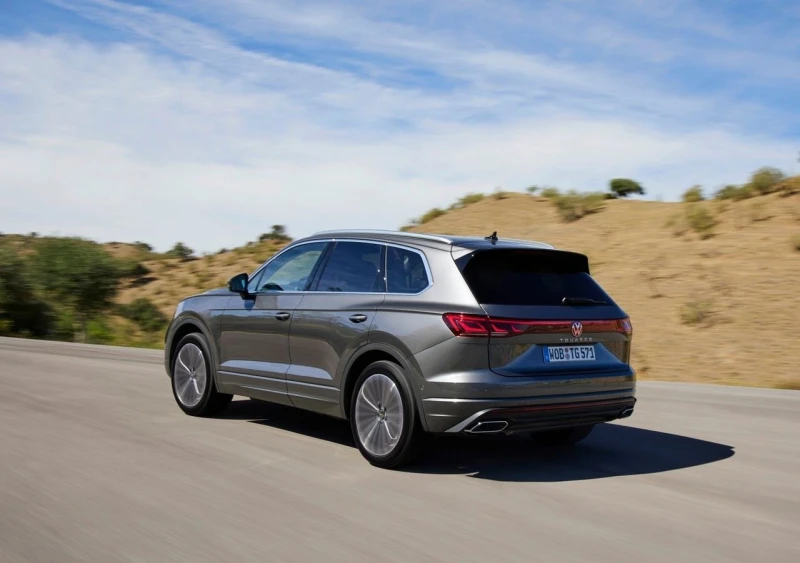
Vehicle History Matters More Than the Odometer
Because Volkswagen never officially offered the Touareg CR in the United States, there is no equivalent domestic used-car lineup to assess. In overseas markets, examples include locally delivered vehicles, imports from neighboring countries, and vehicles repaired after collision damage. A cross-border history is not automatically a drawback. The concern is whether the seller can document mileage, repairs, and the original equipment specification.
Digital service records can help verify work performed by authorized Volkswagen repair facilities, including those in another country. A gap in those records does not necessarily mean the vehicle went unmaintained: some owners switch to independent shops. In that case, invoices and receipts should identify the vehicle by VIN and show what work was completed.
After collision repairs, an electronic systems check is particularly important. Depending on equipment, the front of the Touareg houses radar sensors, cameras, matrix headlights, and other sensors. A neatly painted bumper does not prove that the equipment behind it is mounted and calibrated correctly. Adaptive cruise control, surround-view camera, or lane-keeping faults can result from distorted mounting points rather than a failed control module.
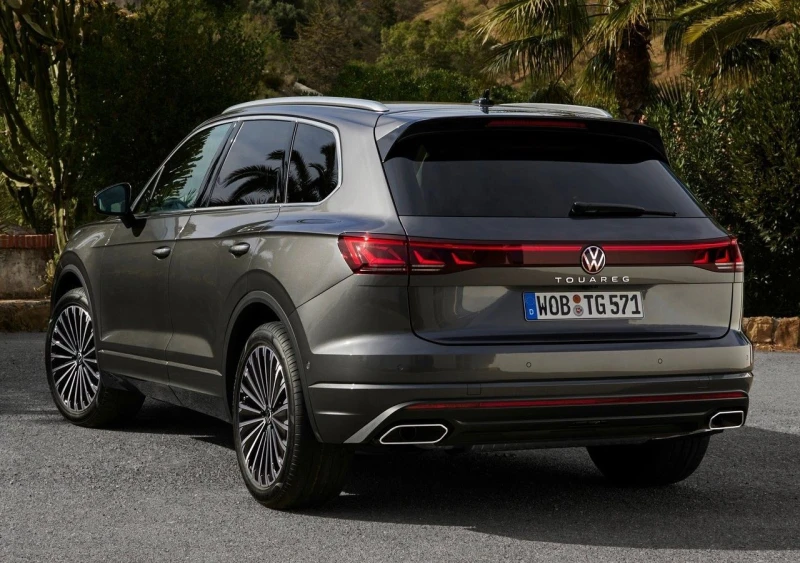
The Overseas Diesel Suits the SUV, but Short Trips Can Be a Poor Match
European-market 3.0 TDI versions included outputs of 231 PS and 286 PS, equivalent to approximately 228 hp and 282 hp. These are overseas specifications, not engines offered in a U.S.-market Touareg III. Both provide the kind of torque suited to highway driving, heavy loads, and towing. Steady highway use generally delivers better fuel economy than congested traffic, winter operation, and repeated short trips; no EPA rating applies to these overseas configurations.
Diesel efficiency does not eliminate mechanical complexity. The engine uses turbocharging, direct injection, exhaust-gas recirculation, a diesel particulate filter, and selective catalytic reduction with AdBlue diesel exhaust fluid. These systems do not make problems inevitable at moderate mileage. However, a vehicle that spent years traveling only a few miles between cold starts deserves closer scrutiny than one with higher mileage accumulated mainly on the highway.
An inspection should evaluate injector correction values, boost pressure, particulate-filter loading, regeneration frequency, and AdBlue system operation. Signs of removed emissions equipment or modified engine software warrant separate investigation. A vehicle may drive without obvious symptoms while still presenting complications during diagnostics, software updates, or compliance checks.
Cooling-System Leaks and Signs of Deferred Maintenance
On the V6, inspect the cooling system and engine compartment for leaks. Falling coolant levels should not be dismissed as normal without identifying the cause. Some components are difficult to access, so repair costs depend as much on labor as on the replacement part.
Compliance with a published service interval does not tell the whole story of how an engine was treated. For frequent short trips, an oil-change schedule appropriate to that operating pattern matters. Useful checks include a cold start, an oil-pressure test where indicated, a review of stored faults, and inspection of the oil filter when practical. If the engine is already warm when the buyer arrives, its behavior after sitting overnight cannot be properly assessed.
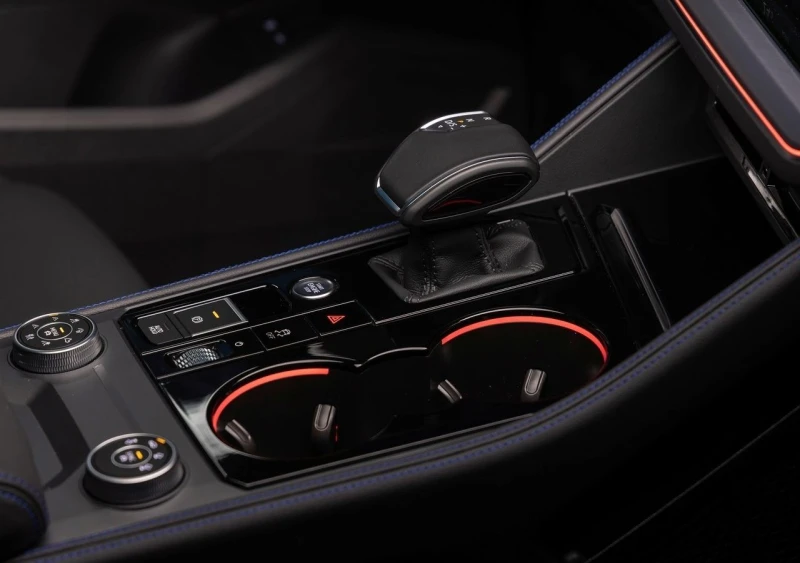
The Gasoline V6 Is Not Simpler in Every Respect
The overseas 3.0-liter turbocharged gasoline V6, marketed by Volkswagen as TSI, was also never offered in a U.S.-spec Touareg CR. It avoids the diesel's SCR system and diesel particulate-filter regeneration requirements, which may make it a better match for frequent short trips. The trade-off is higher fuel consumption, especially in heavy traffic, winter conditions, and hard acceleration.
The gasoline engine remains a sophisticated unit with turbocharging, direct injection, and an extensive cooling system. Inspection priorities include misfires, fuel trims, spark plugs, ignition coils, and fluid leaks. Choosing the TSI solely because it seems like a trouble-free alternative to the diesel misses the point: it is a different powertrain for a different driving pattern.
Tiptronic, All-Wheel Drive, and Four Properly Matched Tires
The Touareg CR uses an eight-speed torque-converter automatic rather than a DSG dual-clutch transmission. A healthy unit should generally shift without pronounced jolts. A brief pause when switching between forward and reverse, or an occasional noticeable shift, does not by itself establish a fault. Transmission temperature, adaptation settings, and software version all matter.
Repeated harsh shifts, vibration under load, delayed engagement, or fluid leaks require further diagnosis. A campaign affecting certain overseas vehicles built in 2019–2020 concerned a possible transmission oil-line defect. Applicability and completion should be checked against the VIN in the vehicle's original market; this should not be presented as a U.S. Touareg CR recall.
Tire condition also affects the all-wheel-drive system. All four tires should meet the vehicle's specifications and have closely matched rolling circumferences and tread wear. Persistent differences in rolling circumference place additional strain on the drivetrain. Highway-speed vibration should not automatically be blamed on the driveshaft or transfer case: inspect the wheels, tires, balance, and alignment first.
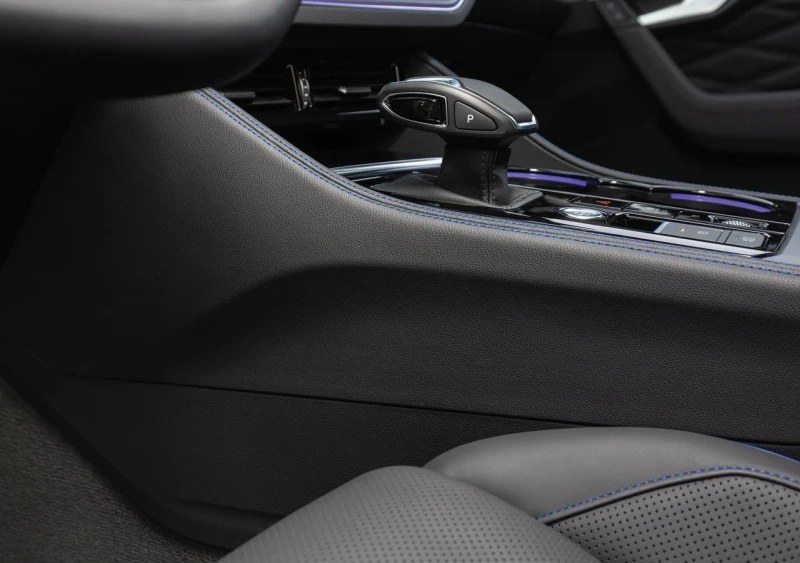
Air Suspension Adds Comfort—and Potential Repair Costs
Air suspension changes the Touareg's ride and allows its height to be adjusted, but every operating mode should be tested on a used vehicle. It should rise and lower evenly, display no warnings, and maintain its height after an extended period parked. Frequent compressor operation without a requested height change can indicate a leak or declining compressor performance.
Some faults can be resolved by replacing air lines or valves or repairing leaks. A worn air strut or compressor can require a substantially larger repair. Costs vary with the parts supplier and repair facility. For a model never officially sold in the United States, parts sourcing and access to a suitably equipped specialist also need to be established before relying on a routine maintenance budget.
Active Chassis Systems Add Inspection Points
Some overseas configurations include electromechanical active roll stabilization and rear-wheel steering. Neither should be assumed to fail, but their components are expensive and not every shop has the necessary diagnostic experience. The vehicle should track straight, wear its tires evenly, and show no recurring chassis faults after a road test.
A rear-axle fastener campaign affected certain 2020-model-year vehicles in overseas markets. It concerned specific production batches, not every Touareg. Checking applicable campaigns and documenting completed work should be part of the inspection, along with a wheel-alignment assessment.
The Digital Cabin Depends on Healthy Software and Electrical Systems
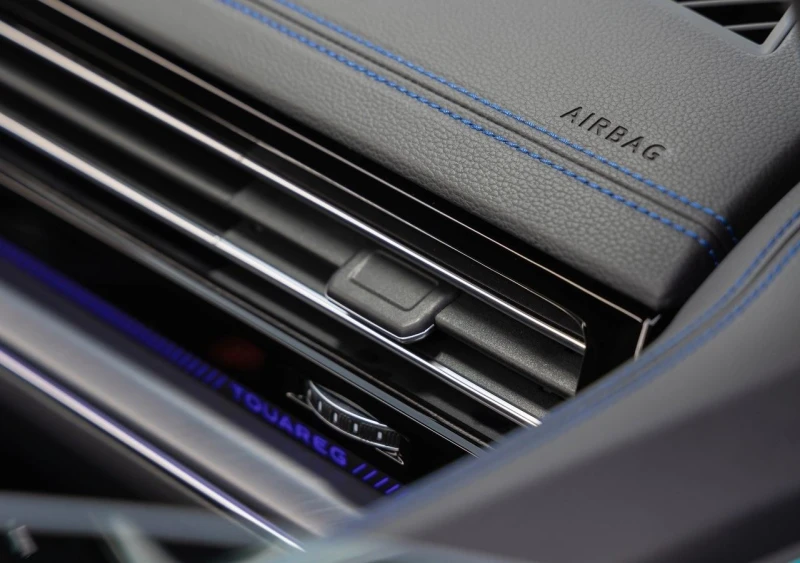
Where fitted, Innovision Cockpit brings many functions into a digital interface. Some frustrations concern usability rather than component failure: climate functions, seat ventilation, and various settings require touchscreen interaction. Glossy surfaces also collect fingerprints and can develop fine scratches over time.
Reported issues on early vehicles include slow startup, frozen screens, dropped smartphone connections, and temporary loss of individual functions. These symptoms do not automatically justify replacing a display. First check software versions, the 12-volt battery, stored faults, and whether updates were completed correctly. The 2023 facelift brought revisions to the interface, voice control, and mobile-device connectivity.
A cluster of warning messages after startup can sometimes be related to a weak 12-volt battery. Clearing the codes is not a complete diagnosis. A technician should identify which modules experienced low voltage and determine whether the faults return after charging, battery testing, and a road test.
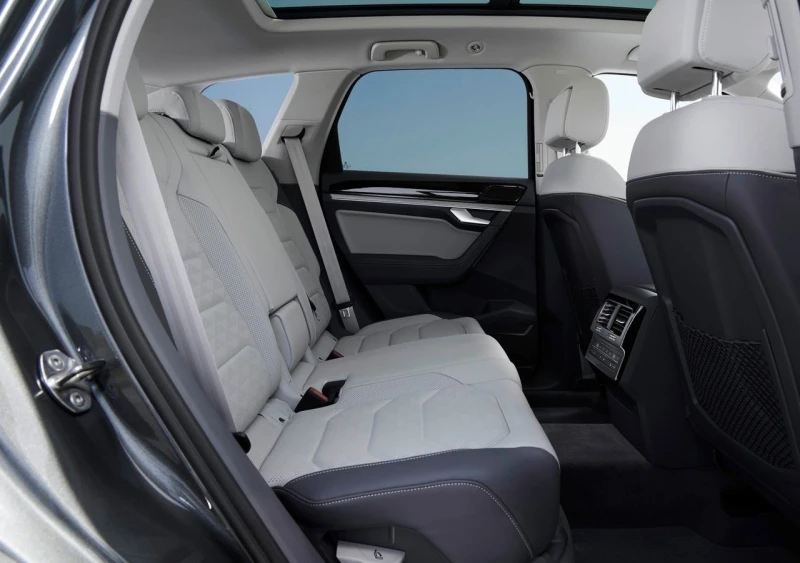
Cabin materials generally suit the vehicle's positioning, although the driver's seat, leather steering wheel, and glossy trim can reveal how it has been used. The panoramic roof needs clear drains and sound seals. Localized rattles may come from the cargo cover, rear-seat latches, or roof components rather than indicating a broader body-structure problem.
Road Noise Depends on More Than the Equipment Package
The Touareg generally suppresses engine and wind noise well, but larger wheels can make tire noise more noticeable. With 20- or 21-inch wheels, the result depends heavily on tire design, inflation pressure, and pavement texture. A hum dismissed as normal road noise may actually come from uneven tire wear or a wheel bearing.
On rough pavement and pothole-damaged roads, wheel and suspension condition can matter more to cabin refinement than the trim package. After a significant impact, inspect wheels, bushings, control arms, and alignment. Vehicles with air suspension also need their ride-height sensors checked for proper operation.
Plug-In Hybrids Need a Separate Inspection Plan
The Touareg eHybrid and Touareg R are overseas versions that were never officially sold in the United States. In addition to standard gasoline-engine diagnostics, they require checks of the high-voltage battery, onboard charger, cooling system, and electrical insulation. Their low quoted fuel-consumption figures depend on regular charging and the relevant test procedure. Once usable battery charge is depleted, fuel use is much closer to that of a heavy, powerful gasoline SUV.
Campaign 93FK concerns potential overheating of high-voltage battery modules during charging on certain plug-in hybrids. The prescribed remedy includes battery-monitoring software changes. For an affected overseas vehicle, confirm the current instructions and completion status with Volkswagen using the VIN and original market. An absence of dashboard warnings does not prove that the campaign has been completed.
Which Issues Are Manageable—and Which Need a Repair Reserve?
Software updates, camera calibration, panoramic-roof maintenance, replacement of the 12-volt battery, and isolated rattles are generally addressable service items. They can still take time and require specialist equipment, but typically pose a different financial risk from replacing major chassis or high-voltage components.
Air struts, active anti-roll bars, rear-wheel steering hardware, matrix headlights, driver-assistance modules, and the high-voltage battery require more careful budgeting. Each repair depends on the component's condition, parts availability, and whether repair is possible instead of replacement. Obtain an estimate from a shop familiar with the MLB Evo platform before making a purchase decision.
The Touareg CR generally has good corrosion protection, so substantial rust on a relatively recent example deserves investigation into its repair and environmental history. Inspect the underbody, undertray mounts, jacking points, door edges, and repaired body seams. Aluminum exterior panels do not develop red rust like steel, but they can still corrode, and proper collision repair may be expensive.
Which Touareg III Configuration Makes the Most Sense?
For a U.S. reader, the first distinction is availability: there is no officially sold U.S.-spec Touareg III to recommend. When evaluating the model in an overseas market, a documented service history matters more than choosing between the approximately 228-hp and 282-hp European 3.0 TDI versions discussed here. For frequent short trips, the 3.0 TSI gasoline V6 may be a better fit if its fuel consumption is acceptable.
Facelifted vehicles gained an updated interface and newer electronics, but a later build date does not replace a proper inspection. A well-maintained early Touareg can be a better prospect than a newer example with extensive collision repairs. A fully equipped version makes sense only when the owner is prepared to maintain every installed system.
The third-generation Volkswagen Touareg should not be treated as inherently unreliable. Its defining ownership challenge is the number and complexity of its systems. VIN checks, documented service history, engine and control-module diagnostics, a suspension inspection, and a thorough road test reveal more than a generic list of weaknesses. Those checks support an informed purchase in markets where the CR was sold; they should not be used to imply ordinary U.S. availability, local service support, or predictable domestic resale value.