


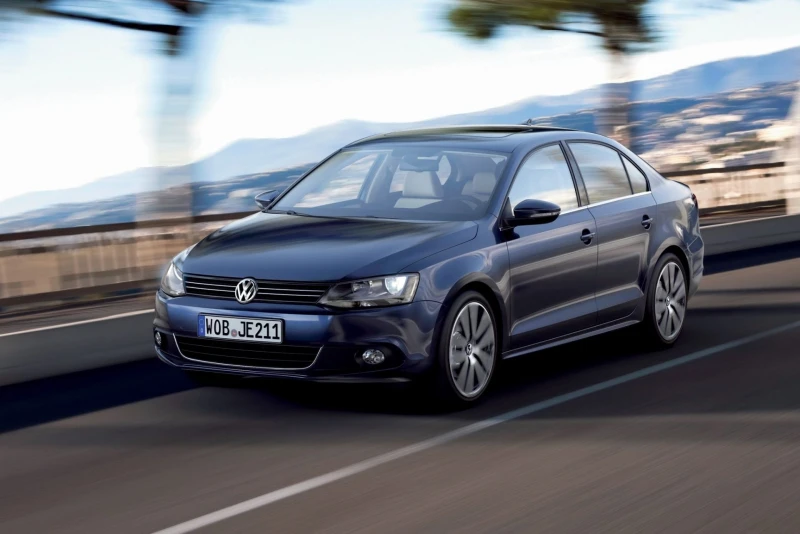
The sixth-generation Volkswagen Jetta sold in the United States came with a much broader range of powertrains than a single reliability verdict can capture. Depending on model year and trim, buyers may encounter the naturally aspirated 2.0-liter four-cylinder and 2.5-liter five-cylinder, the 1.8 TSI and later 1.4 TSI turbo engines, 2.0 TDI diesels, the 2.0 TSI-powered GLI, and the less common Jetta Hybrid. Their weak points differ enough that the engine and transmission combination matters more than the badge alone.
Age changes the priorities as well. Even the newest examples are now several years old, while early cars have been on the road for well over a decade. On a used Volkswagen Jetta 2011–2018, problems are therefore often the result of mileage, deferred maintenance, collision repairs, climate exposure, and attempts to postpone expensive work rather than one universal design defect.
Start with the VIN, engine, transmission, and history
For the U.S. market, the first step is not separating European cars from American ones, but confirming exactly which powertrain the car has and how it has been used. A basic 2.0-liter sedan, a 2.5-liter car, a turbocharged 1.8 TSI, a later 1.4 TSI, a TDI, a GLI, and a Hybrid can have very different maintenance needs even if they look nearly identical from the outside.
Vehicle-history records and a careful inspection are especially important on cars with prior collision damage. Fresh paint alone says little about repair quality. Inspect the front structure, suspension mounting points, rear rails, trunk floor, panel gaps, and evidence of water intrusion. Certain early U.S.-market Jettas were also covered by a safety recall involving rear trailing arms on vehicles that had previously suffered rear or side-rear impact damage and were not repaired correctly, so accident history around the rear suspension deserves particular attention.
Corrosion depends heavily on where the car has lived. A Jetta from the Northeast or Upper Midwest may show more rust on fasteners, suspension hardware, exhaust components, rocker-panel areas, and the underbody after years of road-salt exposure. In warmer regions, rust may be less important than sun-damaged trim, dried seals, or signs of flood exposure. Structural corrosion, damaged seams, or poorly repaired crash areas require a closer inspection than ordinary surface rust.
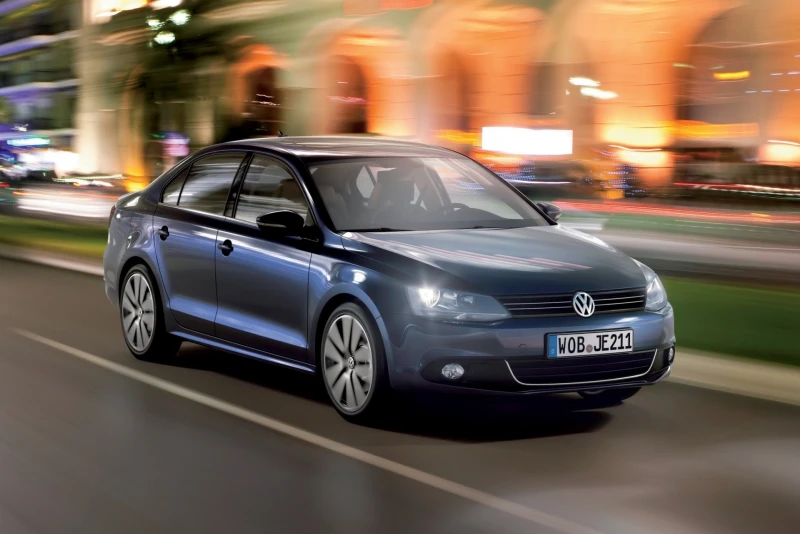
The engine choice changes the ownership experience
2.0-liter and 2.5-liter naturally aspirated engines
The naturally aspirated 2.0-liter four-cylinder is mechanically simple by modern standards, but its modest output means many cars have spent their lives working hard in city traffic and highway merging. Age-related oil leaks, cooling-system issues, ignition problems, vacuum leaks, and neglected accessory-drive components are more important than the low purchase price. A cheap example with poor maintenance can still become expensive quickly.
The 2.5-liter inline-five is also less complex than the turbocharged TSI engines and is often attractive to buyers who prioritize straightforward hardware over maximum fuel economy. It still needs to be checked for oil and coolant leaks, crankcase-ventilation issues, ignition faults, worn mounts, and aging accessories. Its main everyday trade-off is fuel consumption: compared with the later turbocharged four-cylinder engines, the 2.5 can use noticeably more gasoline, especially in urban driving.
1.8 TSI, later 1.4 TSI, and GLI 2.0 TSI
The 1.8 TSI that replaced the 2.5 in many U.S. trims brought stronger low-rpm torque and better efficiency, but a used example should be checked for cooling-system leaks, crankcase-ventilation faults, ignition problems, turbocharger operation, and deposits on the intake valves. A smooth cold start and clean diagnostic scan are more useful than assuming every turbocharged Jetta has the same failure pattern.
The later 1.4 TSI used in U.S.-market Jettas is a different engine family from the earlier European-market chain-driven 1.4 TSI units that are often discussed online. Transferring every European warning to an American 2016–2018 Jetta is therefore misleading. On a U.S. car, focus on cooling-system condition, ignition quality, turbocharger operation, oil leaks, and a documented service history.
The GLI adds a higher-output 2.0 TSI and is more likely to have been driven hard or modified. Software tunes, non-stock boost hardware, altered exhaust or emissions components, and poorly executed modifications can make diagnosis more difficult. A stock-looking car is not automatically stock mechanically, so scan data and service records matter.
The Jetta Hybrid is a separate case. Its turbocharged gasoline engine, electric drive system, high-voltage battery, power electronics, and seven-speed dual-clutch transmission create a different set of ownership risks from a conventional Jetta. Before buying one, a hybrid-capable shop should check the high-voltage system, battery condition, fault history, and transmission operation rather than treating it like a normal 1.4 TSI sedan.
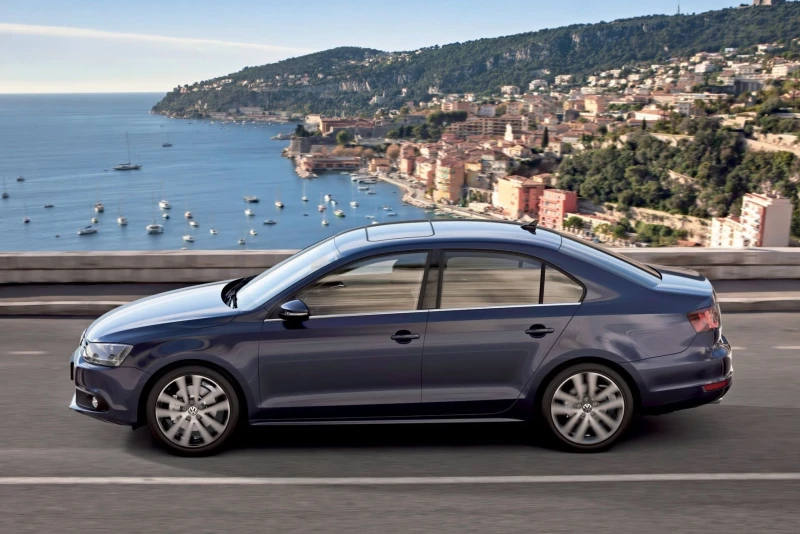
The 2.0 TDI is efficient, but condition matters more than mpg
U.S.-market Jetta diesels used the 2.0 TDI rather than the 1.6 TDI commonly found in Europe. Fuel economy can be excellent, especially on long highway trips, but EPA ratings vary by model year and transmission, so the correct comparison is the exact year and configuration rather than a converted European consumption figure.
The ownership risk increases when a diesel designed for regular longer trips spends years on short urban drives. The diesel particulate filter may struggle to complete regeneration, EGR and intake deposits can build up, and thermostat or sensor problems can interfere with normal operating temperature. At higher mileage, injectors, turbocharger hardware, emissions-system components, and the dual-mass flywheel on applicable versions can add significant cost.
Diesel-emissions history also matters on U.S. cars. A pre-purchase inspection should verify the vehicle's emissions-modification and recall status, confirm that required equipment is still present, and check for warning lights or software changes. A deleted or altered emissions system should not be treated as a completed repair simply because the car currently drives normally.
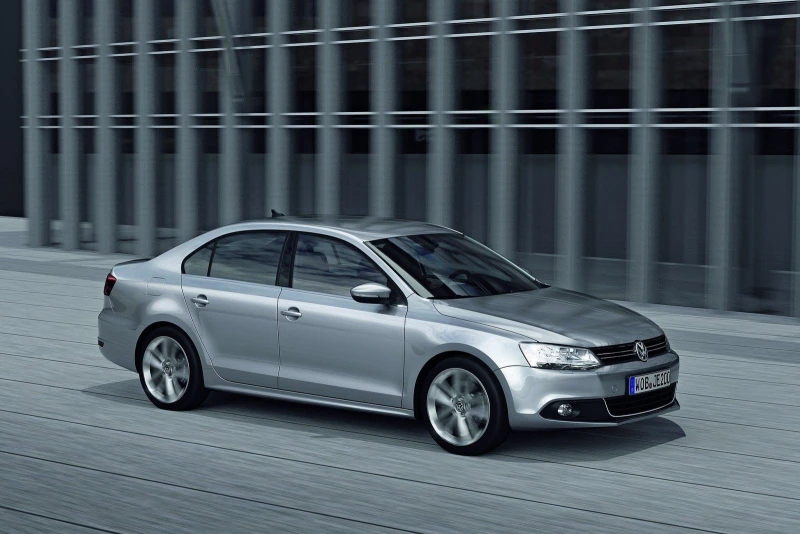
The transmission can change the cost of ownership
Many non-performance U.S. Jettas use a conventional six-speed automatic rather than a DSG. It should not be confused with Volkswagen's dual-clutch units. Delayed engagement, harsh shifts after warm-up, repeated flare between gears, or strong jolts can point to fluid condition, valve-body or solenoid problems, adaptation issues, or broader internal wear. A test drive should include a fully warmed transmission, low-speed traffic, reverse, and several moderate accelerations.
The six-speed wet-clutch DSG appears on performance and diesel applications such as the GLI and TDI. It can shift quickly and smoothly, but its service history matters. Missing documentation for transmission maintenance is a reason to budget for a thorough inspection and baseline service rather than assume the fluid was changed on schedule. Clutch behavior, mechatronic operation, and stored fault codes should be checked before purchase.
The seven-speed dry-clutch DSG is mainly relevant to the Jetta Hybrid in the U.S. market, not the ordinary gasoline sedan lineup. On a Hybrid, shuddering at takeoff, inconsistent low-speed engagement, warning messages, or mechatronic faults require specialist diagnosis because transmission repair can quickly outweigh the appeal of a low purchase price.
Manual transmissions are simpler, but they are not immune to age. Check clutch engagement, synchronizer operation, shifter feel, engine and transmission mounts, and the condition of the dual-mass flywheel where fitted. A worn clutch or flywheel can turn an otherwise inexpensive car into a much larger first-year repair.
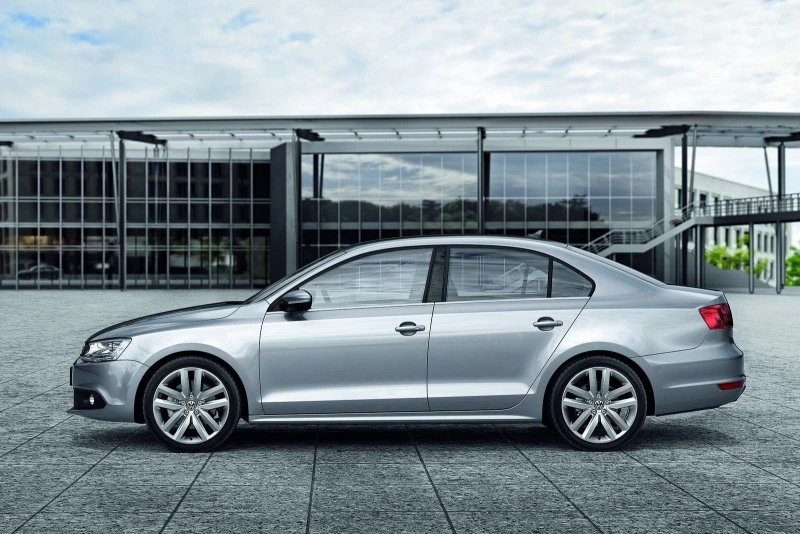
Cabin and ride issues become more obvious with age
Noise insulation is appropriate for a compact sedan of its era, but the Jetta does not isolate rough pavement like a larger Volkswagen. Tire roar from the rear wheel wells and wind noise are more noticeable at typical freeway speeds, especially with inexpensive tires, worn door seals, missing wheel-well liners, or previous body repairs. Added sound insulation can reduce some road noise, but it will not transform the car into a different class of vehicle.
Interior wear is generally easy to spot. Steering-wheel surfaces become polished, buttons lose their finish, the driver's seat bolster compresses, and glossy trim can scratch. Harder plastics in the lower cabin are part of the original design rather than proof of neglect. Rattles from the center console or door panels often become more noticeable after interior disassembly or years on broken pavement.
Early factory infotainment systems now feel dated, and many Jettas have aftermarket head units. A better screen can make the car more convenient, but poor installation may cause battery drain, CAN-bus faults, inoperative steering-wheel controls, radio reception problems, or an unreliable backup camera. Test every function rather than assuming an aftermarket system is automatically an upgrade.
Where routine wear ends and expensive problems begin
Sway-bar links, control-arm bushings, strut mounts, brake components, seals, and interior trim are normal age-related expenses. On a high-mileage Mk6 Jetta, these items should be judged as part of the car's overall condition rather than as a reason to reject the model outright. Prices vary widely by region, parts brand, and labor rate, so a pre-purchase inspection is more useful than a generic repair-cost figure.
The calculation changes with a neglected turbocharged engine, a failing DSG, a diesel with major fuel or emissions-system faults, a Hybrid with high-voltage or transmission issues, or a poorly repaired body. In those cases, an attractive asking price can lose its advantage quickly. When comparing listings on Autotrader, CarGurus, or Cars.com, keep part of the purchase budget in reserve for baseline service and repairs identified during inspection instead of spending the entire budget on the car itself.
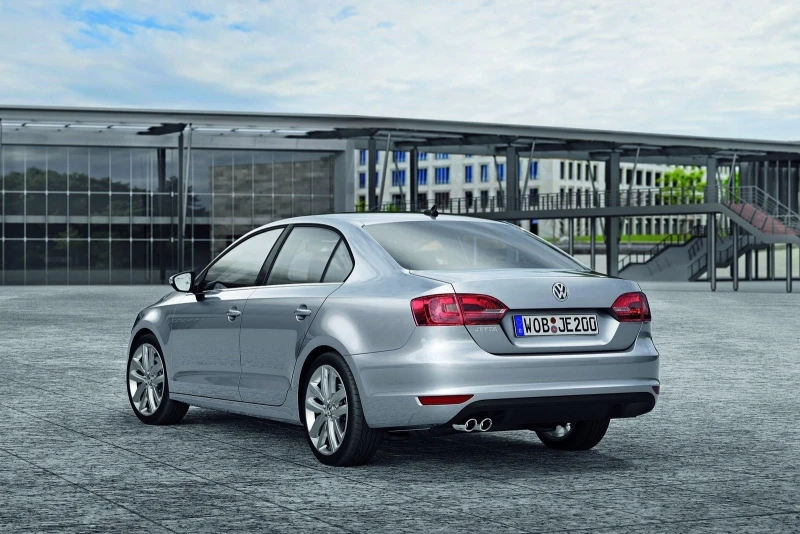
Which Jetta VI requires the fewest compromises?
No single version is automatically the best, but the simpler naturally aspirated 2.0-liter or 2.5-liter engines paired with a manual or a healthy conventional automatic can appeal to buyers who value lower mechanical complexity and can accept weaker performance or higher fuel use. A later 1.4 TSI with the conventional automatic offers a more modern balance of torque and fuel economy when maintenance history is clear and the car passes a careful inspection.
A TDI can still make sense for drivers who cover substantial highway mileage, provided the emissions system, turbocharger, fuel system, and service history check out. A GLI offers stronger performance but deserves extra scrutiny for tuning and hard use. The Hybrid can be efficient, but its age means the high-voltage system and dual-clutch transmission should be evaluated by a shop familiar with Volkswagen hybrids before purchase.
The facelift brought updated styling, equipment, and powertrain changes, but a later model year is not a guarantee of lower ownership cost. A well-maintained earlier car with a clean history can be a better buy than a newer Jetta with deferred maintenance, collision damage, or questionable modifications.
During an inspection, focus on the VIN and history report, a cold start, the exact transmission type, a full diagnostic scan, body and suspension geometry, evidence of flood or crash damage, and maintenance records. For the Mk6 Jetta, the specific powertrain and the quality of previous care usually matter more than trim level or the mileage number shown in an ad.