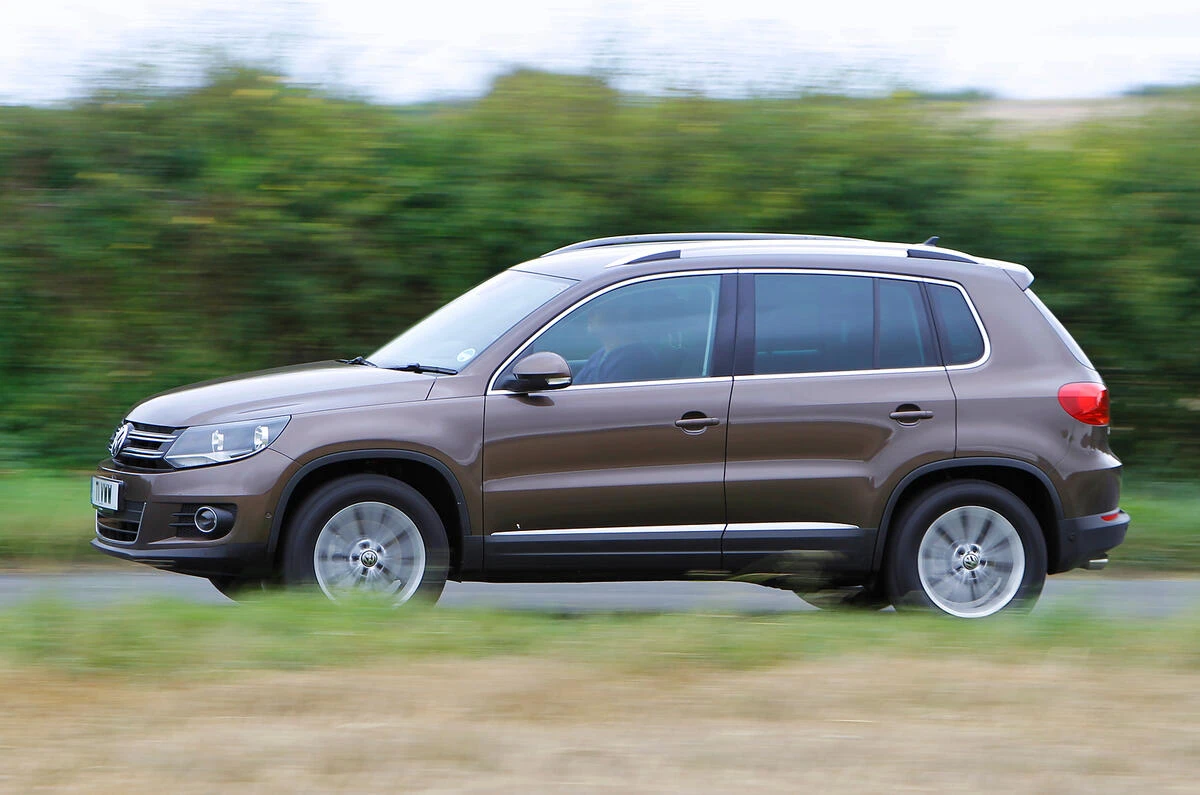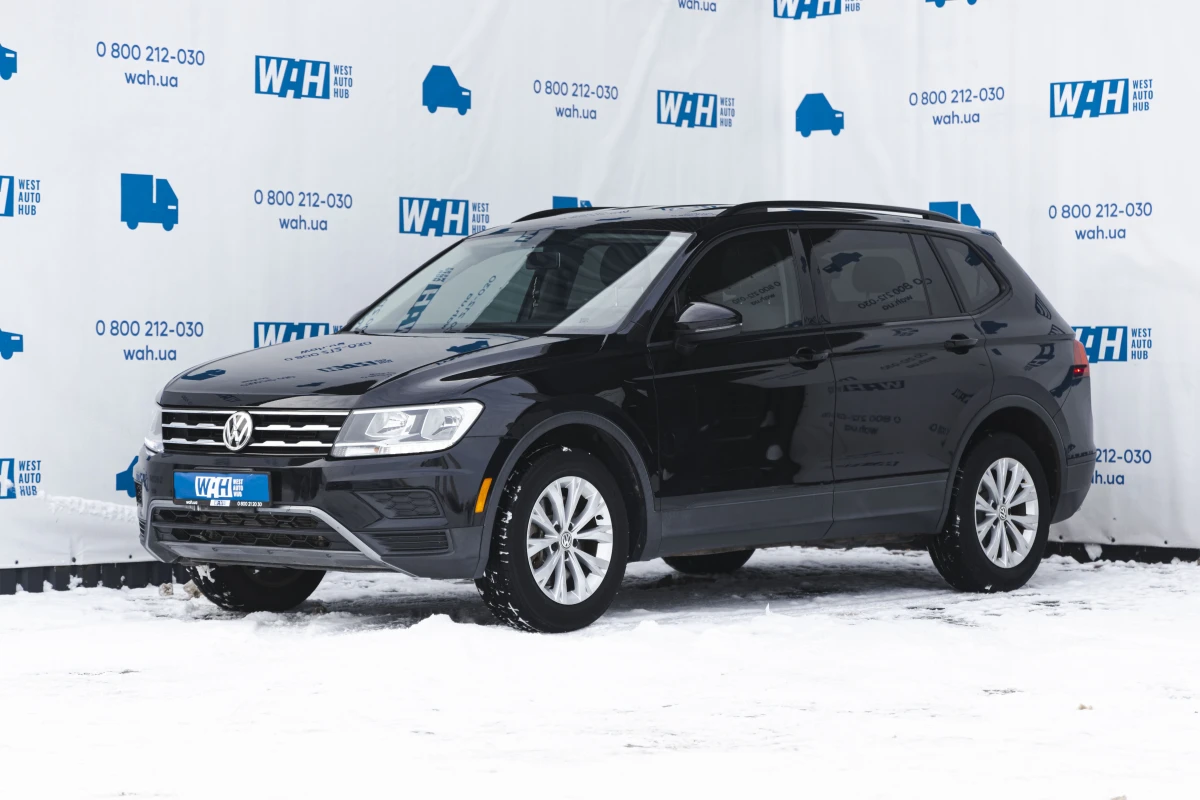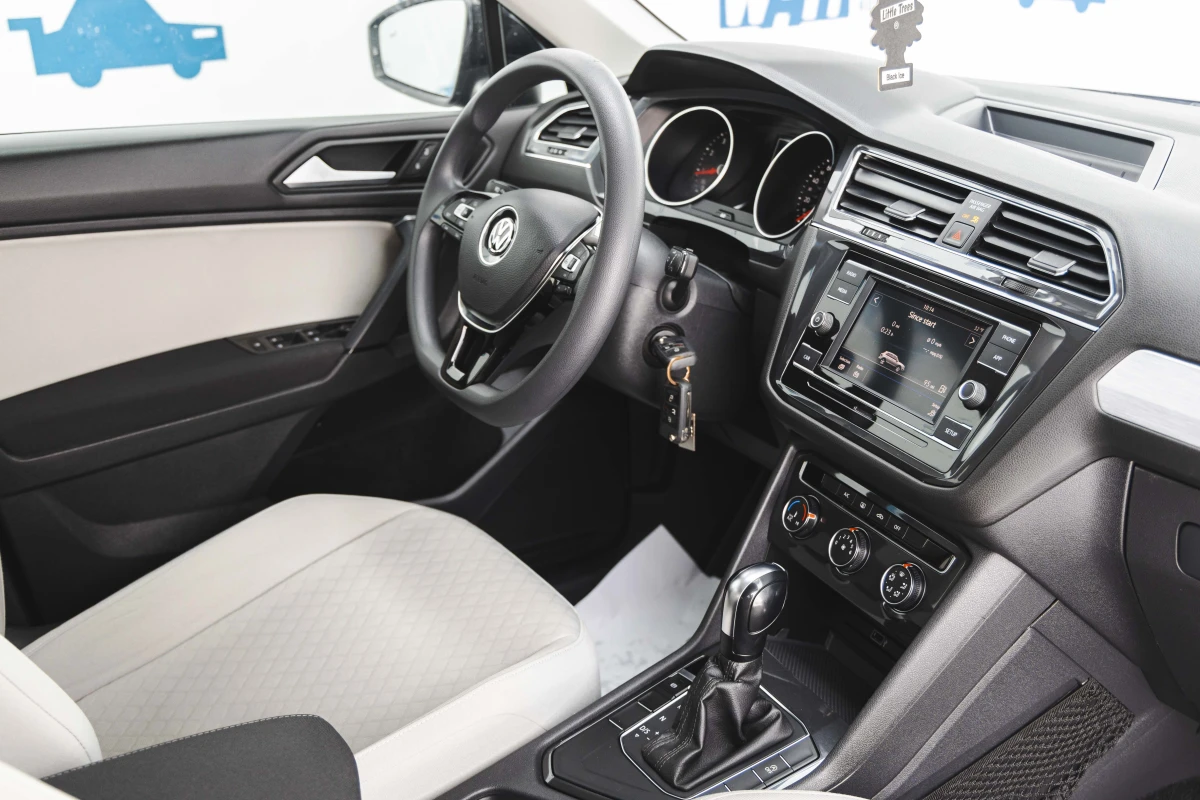



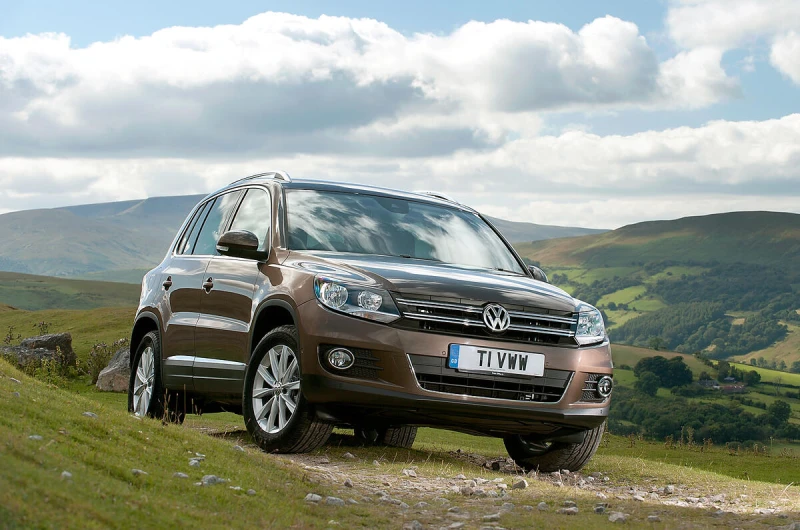
This generation, also known as Mk1, NF or Typ 5N, made its debut in September 2007 at the Frankfurt Motor Show and was produced until 2016, when it was replaced by the second-generation Tiguan on the MQB platform. Sales in Europe began in late 2007, and the model quickly gained popularity thanks to its excellent balance of capability, comfort, and German engineering. Over its production run, more than 2.5 million units were sold worldwide, making the Tiguan one of the top sellers in the compact SUV segment.
The Volkswagen Tiguan review of this generation starts with its platform: the model is built on the proven PQ46 architecture (a lengthened version of PQ35), the same one used in the Golf V, Jetta, and Touran. This provided excellent body rigidity, component compatibility across the VW lineup, and the option for 4Motion all-wheel drive with Haldex coupling. Dimensions include 4427 mm in length, 1809 mm in width, 1683 mm in height (with roof rails), and a 2604 mm wheelbase. The trunk offers 470 liters of space (expanding to 1510 liters with folded seats), making it highly practical for families or active lifestyles.
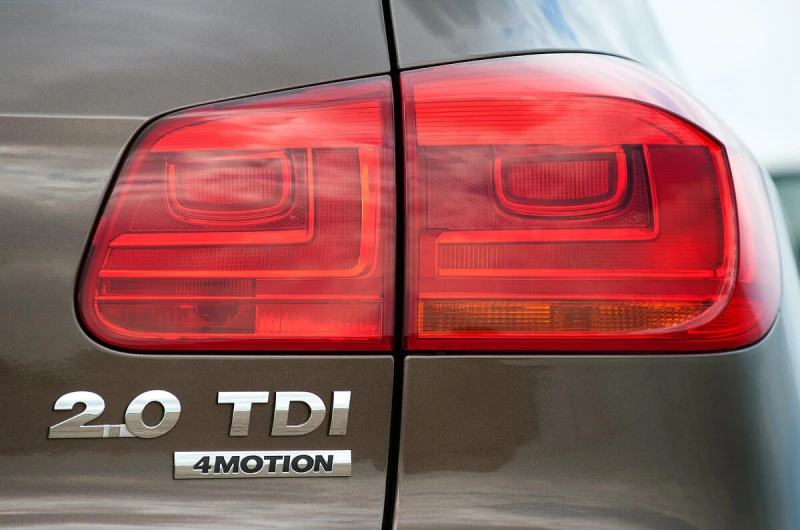
Key design highlights of the Volkswagen Tiguan first generation feature a dynamic, athletic look penned by Diego Scotto: a bold grille, sculpted hood, plastic wheel arch cladding, and a generous 200 mm ground clearance (about 30 mm higher than the Golf). The 2011 facelift introduced LED daytime running lights and more chrome accents. The interior is minimalist yet premium-feeling: durable hard plastics with soft-touch inserts, optional dual-zone climate control, and a multifunction steering wheel. Powertrain options are diverse: 1.4 TSI gasoline (150 hp), 2.0 FSI (200 hp), 2.0 TDI diesels (140/170 hp), paired with 6-speed manual, 6-speed Tiptronic automatic, or 6-speed DSG. Safety highlights include 5-star Euro NCAP rating, six airbags, ESP, and optional 4Motion. In the US market, most examples were imported from Europe or built in various global plants, influencing parts availability and preference for gasoline engines.
Overall, the Volkswagen Tiguan I is a dependable urban crossover for drivers seeking a compromise between a hatchback and a full-size SUV, with a focus on highway driving and light off-road capability.
What’s New Compared to Previous Models
As the first generation, the Volkswagen Tiguan I had no direct predecessor, but compared to earlier VW SUVs like the Touareg (2002) or Touareg-related concepts, the Tiguan represented a true breakthrough in the compact SUV category. The PQ46 platform replaced heavier architectures, making the Tiguan 200–300 kg lighter, about 50 cm shorter, and more agile, while inheriting the Golf V’s wheelbase. Body rigidity increased by 25%, and the lower center of gravity improved handling – MacPherson struts up front and multi-link rear suspension, with optional 4Motion Haldex Gen. IV (up to 90% torque to the rear).
Design evolution: from the bulky Touareg to a compact, urban-friendly silhouette – sculpted sides, optional 18-inch wheels, and a drag coefficient of 0.37 (improved by 0.05). The interior was completely refreshed: +15% more space (rear legroom +2 inches), softer materials replacing hard plastics, optional Bluetooth and RNS-510 navigation. Comfort upgrades included +15 dB better sound insulation, heated seats, and dual-zone climate control standard after 2011. Tech highlights: new TSI/TDI engines with improved efficiency (-10–15% fuel consumption), DSG-6 from 2009, standard ESP. Safety: 5-star Euro NCAP (vs. 4 stars for Touareg), side curtain airbags, Isofix.
Compared to the Touareg, the Tiguan was significantly cheaper to produce (about 30% less), more fuel-efficient (–2 L/100 km), and better suited to city use (200 mm ground clearance vs. 215 mm). In the US market, it filled the gap between compact hatchbacks and larger SUVs, with strong demand for gasoline engines and AWD versions.
US Used Market
The Volkswagen Tiguan I remains one of the most sought-after used compact SUVs on the American market in 2025–2026 – valued for its reliability, capability, and strong resale liquidity. Most examples are imports from Europe or North American/global production, with typical mileage between 90,000–150,000 miles. Gasoline 2.0T versions dominate, with AWD 4Motion popular in northern states.
Approximate Market Price Range (United States, early 2026):
- Early models 2008–2010 (1.4/2.0 TSI, manual): $5,000–$8,000
- Mid-range 2011–2013 (2.0 TSI, DSG/Tiptronic): $7,000–$10,500
- Well-maintained 2014–2016 facelift (4Motion common): $9,000–$13,000
- Top-spec Track&Field or R-Line examples: $11,000–$15,000
Most popular are the 2.0T gasoline versions for daily driving. The market is very liquid: good examples sell within 1–2 months, but always check service history – about 20–25% of vehicles come from fleet or high-use backgrounds.
Main Trims Available on the US Market
In the US, the Volkswagen Tiguan I was offered in several trims tailored to local preferences (imports + North American market versions):
- Trendline (base) – air conditioning, power front windows, CD audio, ABS+ESP, six airbags, 16-inch steel wheels, hydraulic power steering. Often equipped with 2.0T engine, AWD optional.
- Comfortline / SE – climate control, cruise control, multifunction steering wheel, 17-inch alloy wheels, rain/light sensors, Bluetooth, power rear windows. Very popular for its value, frequently with 2.0T and optional 4Motion.
- Highline / SEL – dual-zone climate, parking sensors, xenon headlights, leather steering wheel, 18-inch wheels, optional navigation. Often included heated seats and winter package features.
- Track&Field / R-Line (top versions, post-2011) – sport styling kit, lowered suspension (sometimes), 19-inch wheels, ESP, standard 4Motion. Rare in the US (about 10–15% of market), but highly sought after for capability.
On the used market, the sweet spot is usually Comfortline/SE with 2.0T and AWD: full power equipment and versatility. Facelifted Highline/SEL models are ideal for families, offering extra space and roof rails.
Final Verdict
The Volkswagen Tiguan 2007–2016 is an excellent fit for the American used car market:
- For families – spacious cabin, 470+ liter trunk, top-tier safety (5 stars).
- As a city crossover – 200 mm ground clearance, easy maneuverability, 18–22 mpg combined.
- For active lifestyles – 4Motion AWD, strong highway engines (600+ miles per tank possible), Track&Field for light trails.
For $7,000–$13,000 you get a solid German crossover with Touareg-like capability in a more compact, easier-to-maintain package. In 2025–2026, the model is still very relevant – great liquidity (often 10–15% value retention on resale) and potential lifespan of 200,000+ miles with proper care.
Buying Checklist:
- 2.0T gasoline engines: check for turbo/PCV issues (smoke test), verify mileage history.
- DSG/automatic: watch for jerking (repairs ~$1,500–$3,000), full service records.
- Body: rust on rocker panels (undercoating), accident damage from imports (use paint thickness gauge).
- Electronics: comfort module glitches (reflash ~$200–$400).
The Volkswagen Tiguan first generation is a smart, versatile choice for anyone looking for a practical SUV. With a thorough inspection, it can easily deliver 200,000+ miles of reliable driving.