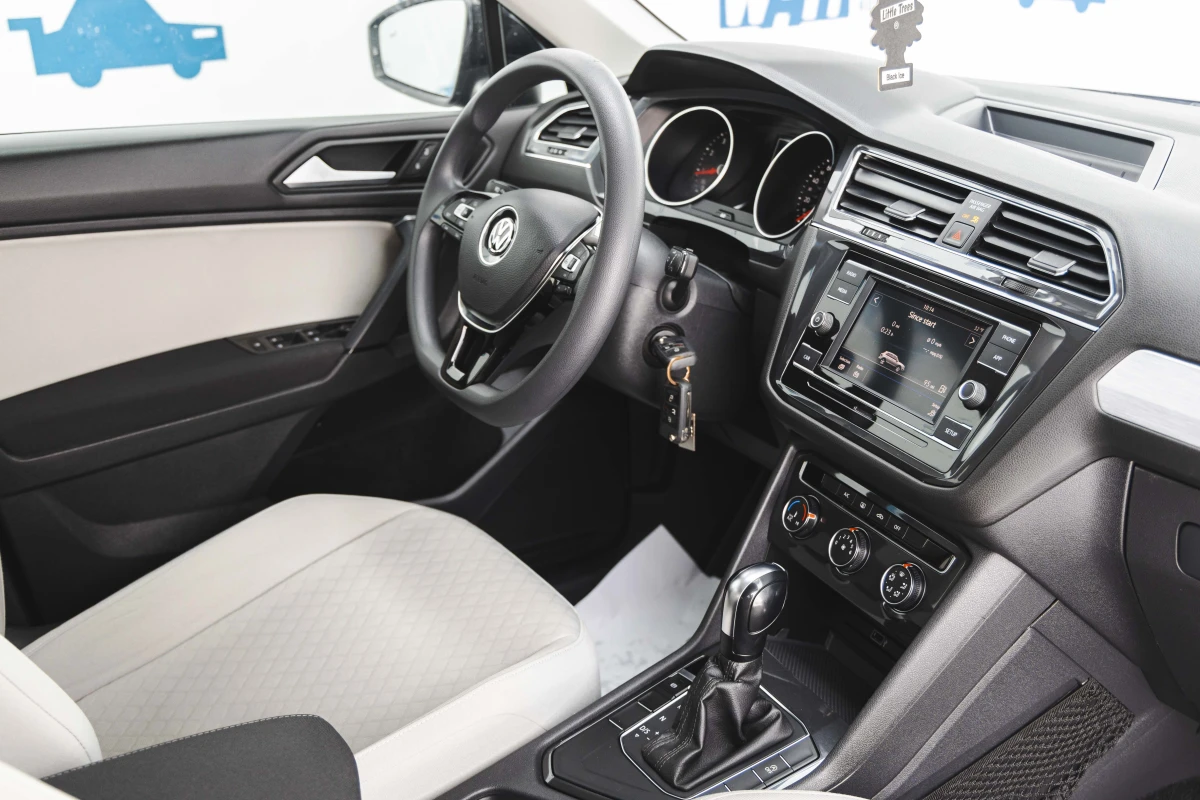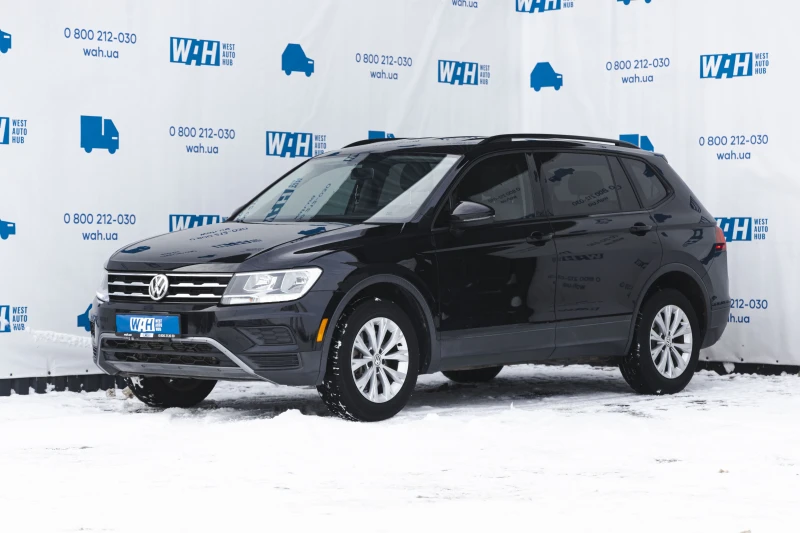
This generation, internally coded Mk2 and Typ AD1, made its debut in 2015 at the Frankfurt Motor Show, with sales in Europe beginning in early 2016. In the United States, it arrived shortly after and remained on the market through 2023, before being replaced by the third generation.
The Volkswagen Tiguan II is built on Volkswagen's modular MQB (Modularer Querbaukasten) platform, which underpinned many VAG Group models of that era. Compared to the first generation, the vehicle grew significantly: length increased to 4486 mm (+60 mm), width to 1839 mm (+30 mm), and wheelbase to 2677 mm (+77 mm). This resulted in a more spacious interior and the option for a third row of seats in the longer-wheelbase Tiguan Allspace variant (more commonly available in the U.S. market).
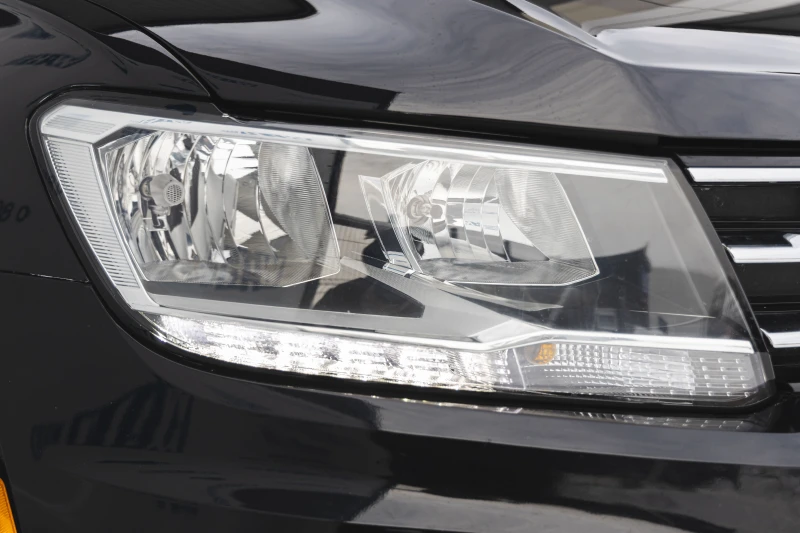
The design of the second generation is sharper and more contemporary: crisp lines, a bold grille, and lighting integrated in the style of the latest Golf and Passat models. The Tiguan II looks more upscale and aligned with larger siblings like the Touareg. Key highlights include excellent build quality, advanced driver assistance features, and a wide range of efficient turbocharged engines.
Key Improvements Over the Previous Generation
The first-generation Tiguan (2007–2016) was successful but fairly conventional. The second-generation Tiguan made a significant leap forward:
- Platform: The switch to MQB reduced weight by 50–80 kg (depending on spec), improved body rigidity, and enhanced handling.
- Design: More aggressive and modern styling, larger dimensions, and an optional 7-seat Allspace configuration (widely offered in the U.S.).
- Engines: All turbocharged TSI gasoline and TDI diesel engines from the EA211 and EA288 families. Popular options in the U.S. included the 2.0 TSI (184 hp) and various power outputs in later years.
- Technology: Optional digital instrument cluster (Active Info Display from 2016), infotainment with Apple CarPlay/Android Auto support, adaptive cruise control, lane-keeping assist, and automatic emergency braking.
- Comfort & Safety: Much improved sound insulation, optional adaptive DCC dampers, more rear-seat space, and cargo capacity growing to 615–1655 liters (5-seat version).
Overall, the Tiguan II became a segment leader in equipment levels and driving dynamics.
U.S. Used Market
As of December 2025, the 2016–2023 Volkswagen Tiguan remains one of the most sought-after compact crossovers on the American used market. Major platforms like CARFAX, Cars.com, and CarGurus show hundreds of listings available nationwide.
Approximate market price range (end of 2025, depending on mileage, condition, and location):
- Early 2016–2017 models (base trims, front-wheel drive) — $9,000 to $14,000
- Mid-range 2018–2020 models (2.0 TSI, often with 4Motion) — $15,000–$22,000
- Late facelifted 2021–2023 examples (higher trims, R-Line) — $20,000–$28,000
Most popular are the 2.0 TSI variants with all-wheel drive (4Motion), which make up a significant portion of listings. The 2020 facelift (updated headlights, bumpers, and expanded safety tech) typically commands 15–20% higher prices.
Main Trim Levels Available in the U.S. Market
In the United States, the Tiguan II was offered in several main trim levels:
| Trim Level | Key Features | Typical Engines |
|---|---|---|
| S (base) | Air conditioning, cloth seats, 17" alloy wheels, basic infotainment, 6 airbags | 2.0 TSI, FWD or 4Motion |
| SE | Three-zone climate control, 17" alloys, parking sensors, cruise control, roof rails | 2.0 TSI, 4Motion optional |
| SEL | LED headlights, digital cockpit, partial leather, adaptive cruise, rearview camera, power liftgate | 2.0 TSI, often 4Motion |
| SEL Premium / R-Line | Sport bumpers, 19–20" wheels, sport seats, black headliner, optional adaptive DCC suspension | Top-spec 2.0 TSI |
After the 2020 facelift, trim names evolved slightly (SE R-Line, etc.), but the core features remained similar. SE and SEL trims are the most common on the used market.
Final Verdict
The Volkswagen Tiguan II (2016–2023) is an excellent choice for the U.S. market if you're looking for a versatile, premium-feel family crossover at a reasonable price on the used market.
This SUV is ideal for:
- Families with 1–2 children (massive cargo space, roomy rear seats, top-tier safety ratings);
- Urban drivers who want a comfortable and prestigious crossover for daily commutes;
- Those who enjoy light off-road adventures — 4Motion AWD and 200 mm ground clearance handle light trails and snowy roads with confidence.
Why this generation stands out: reliable and efficient engines (especially the 2.0 TSI), strong resale value, generous standard equipment even in mid-level trims, and excellent long-term ownership potential.
When shopping, pay special attention to:
- Service history (ideally from an authorized dealer);
- DSG transmission condition (DQ381/DQ500 are robust but require fluid changes every 40,000 miles);
- Engine health — check for any carbon buildup or emissions system issues;
- Suspension and electronics (full diagnostic scan recommended before purchase).
The second-generation Tiguan remains one of the most well-rounded and dependable compact crossovers of its era. Even in 2025, it looks modern and offers great value on the American used market.