


The Volkswagen Tiguan 2016–2023 cabin combines spaciousness, modern tech, and durable materials, making this compact crossover a popular choice on the American used car market. In this article, we break down the Tiguan's interior features, including design, trim levels, year-by-year changes, common issues, and buying tips for 2025.
Overall Cabin Overview
Materials & Design
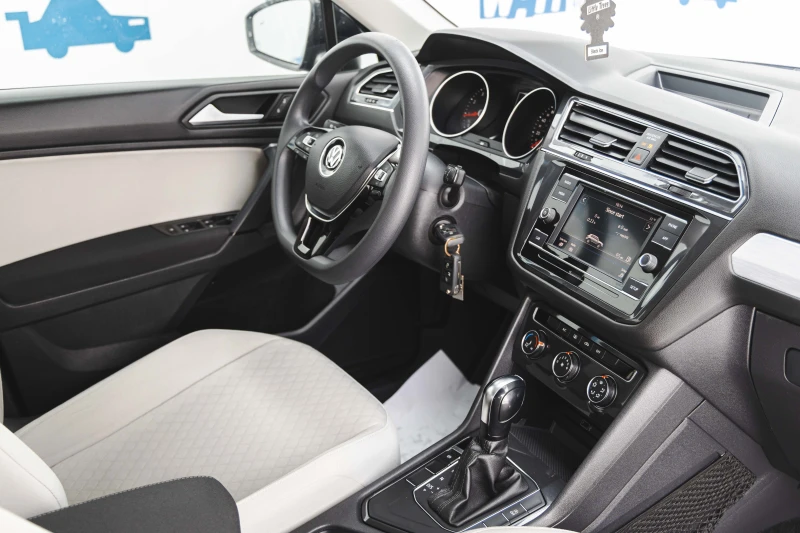
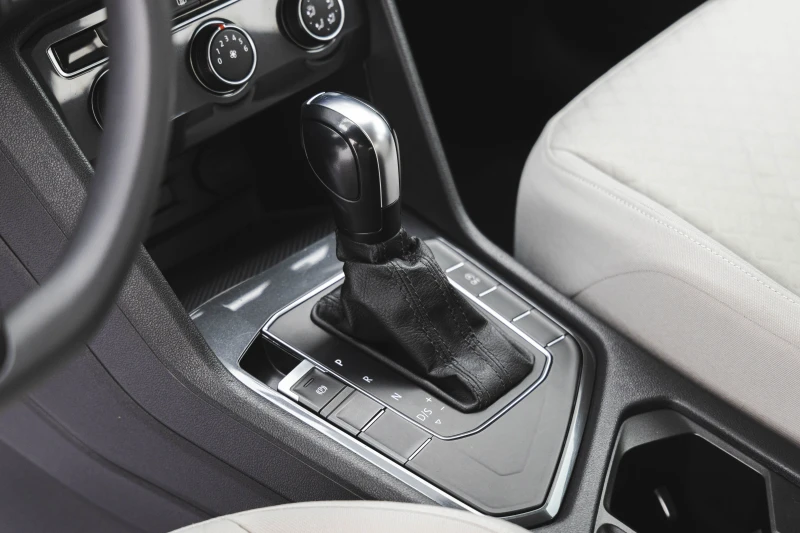
The Tiguan II interior follows Volkswagen's clean, minimalist design language typical of that era. The dashboard uses soft-touch plastics with a pleasant texture, while higher trims add aluminum or wood-look accents. The center console is driver-oriented with logically placed controls. Base models feature analog gauges, but top versions come with the stunning 12.3-inch digital Active Info Display showing navigation, trip data, and media info.
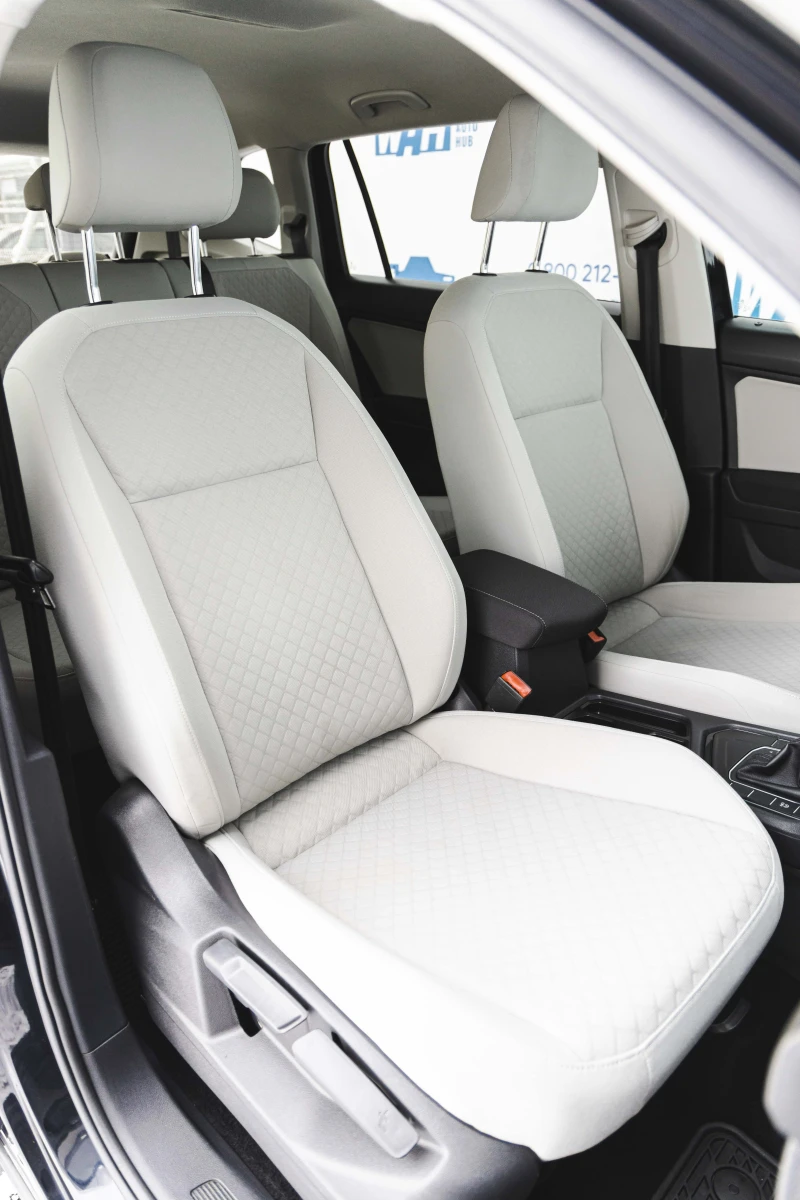
Ergonomics are excellent: all controls fall right where you'd expect them, and the multifunction steering wheel is leather-wrapped in upper trims. Seats provide strong side bolstering, with the driver's seat often featuring power adjustments and heating. Materials hold up well over time, though cloth dominates entry-level models while leather or Alcantara appears in premium variants.
Seating Comfort & Space
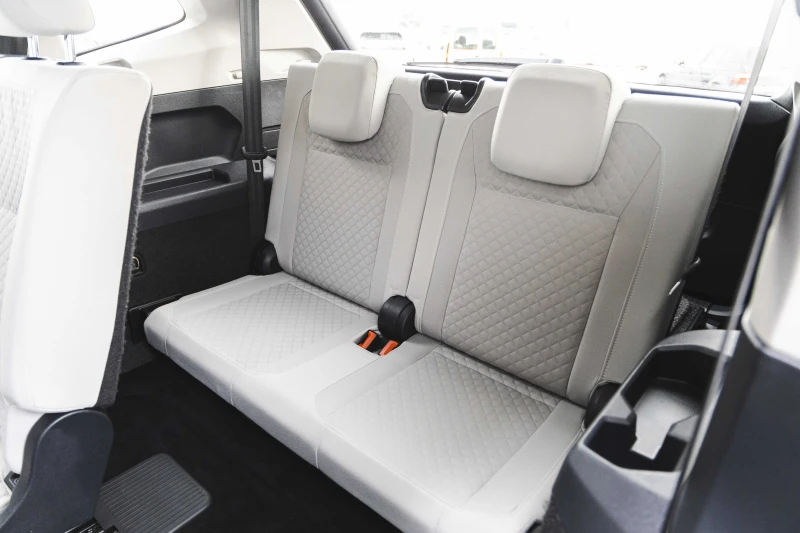
The high driving position offers excellent visibility thanks to slim pillars and large mirrors. Front seats are comfortable for long highway drives, with height and lumbar adjustments. The rear bench is impressively roomy: plenty of legroom and headroom for three adults, plus sliding and reclining functions. The long-wheelbase Allspace version (less common in the US) adds a third row, best suited for children.
The Tiguan's cargo area is among the best in class: 615 liters (21.7 cubic feet) behind the rear seats, expanding to 1655 liters (58.4 cubic feet) with seats folded. The load floor is flat, with hooks, nets, and storage compartments. Power liftgate is available on higher trims, and the 40/20/40-split seats make loading long items easy. It's perfect for strollers, bikes, or family grocery runs.
Trim Levels: What's Included
Trim Levels on the US Market
In the United States, the Tiguan II was offered in several trims tailored to American preferences. The base S (later S or SE) targets value buyers, SE offers a great balance, SEL provides luxury, and R-Line emphasizes sporty looks and feel. Typical US trim highlights:
| Trim Level | Upholstery & Seats | Infotainment & Climate | Assist Systems & Features |
|---|---|---|---|
| S (base) | Cloth seats, manual adjustments, basic trim | 6.5" touchscreen, single-zone climate | 6 airbags, cruise control, rear parking sensors |
| SE | Heated comfort seats, chrome accents | 8" touchscreen, 3-zone climate, Apple CarPlay/Android Auto | Adaptive cruise available, rearview camera, roof rails |
| SEL (luxury) | Leather upholstery, power seats, optional massage | 9.2" touchscreen, digital cockpit, panoramic roof | LED lighting, parking assist, lane keep assist |
| R-Line (sport) | Sport seats with Alcantara, black headliner | Full infotainment suite, optional premium audio | Adaptive suspension option, 360° cameras, panoramic roof |
On the US market, SE and SEL trims are the most popular, offering heated seats, smartphone integration, and three-zone climate control. The panoramic sunroof is a highly sought-after option in upper trims, adding brightness and an open feel.
Interior Evolution Through the Years
Year-by-Year Cabin Updates
The Tiguan II evolved significantly from 2016 to 2023, with the major facelift arriving in 2020. Pre-2020 models feature a more traditional cabin: analog cluster, physical climate buttons, and MIB2 infotainment. Noise insulation is solid, though early 2016–2017 examples sometimes developed interior plastic rattles.
The 2020 facelift introduced a more digital experience: touch-sensitive steering wheel and climate controls, upgraded MIB3 infotainment with larger screens (up to 9.2"), wireless charging, fresh interior color options (including optional orange accents), and noticeably better sound deadening. Post-facelift models (2020–2023) feel more modern with superior phone integration, though touch controls can be tricky with gloves in cold weather.
By 2023, minor enhancements included new upholstery choices and ambient LED lighting for a more upscale atmosphere.
Common Questions & Known Interior Issues
Typical Interior Drawbacks
Despite strong overall quality, used Tiguan IIs in the US often show typical wear accelerated by rough roads, winter salt, and variable fuel quality. Interior rattles are a frequent complaint: dashboard and door panels may creak after 30,000–60,000 miles, especially on bumpy surfaces. Material wear includes cloth seats pilling and leather cracking from sun exposure and temperature swings.
Noise levels: base models have average insulation — tire and wind roar become noticeable on highways. Rear headroom is good for most, but very tall passengers (over 6'3") may feel cramped. Visibility is strong overall, though thick pillars can create blind spots. Light interiors show dirt quickly from everyday use, and the climate system needs regular filter changes.
Electronics: occasional infotainment glitches after 5–7 years, seat heating issues, and keyless entry problems. Cold US winters can drain the battery faster, causing temporary malfunctions. Other common notes: door paint chips easily, and suspension noises sometimes transmit into the cabin.
Conclusion: How the Interior Holds Up Today & Best Trim Choice
Final Thoughts
In 2025, the Tiguan II cabin still feels contemporary: digital features and quality materials have aged gracefully, especially in facelifted examples. The spacious, practical interior suits families and daily commuting across the United States.
The sweet spot for most buyers is the SE or SEL (post-2020 → Elegance equivalent): excellent balance of features (infotainment, climate, driver aids) and value. Approximate market price range for a well-maintained used example in the US: $18,000–$25,000 depending on year, mileage, and condition.
When shopping, carefully inspect seat wear, listen for rattles, test all electronics and climate functions. Check for signs of heavy use (stains, cracks), service history, and actual mileage. A full electronic scan is highly recommended to catch any hidden issues.
The Volkswagen Tiguan II interior remains one of its strongest attributes, making it a compelling choice on the American used market even in 2025.