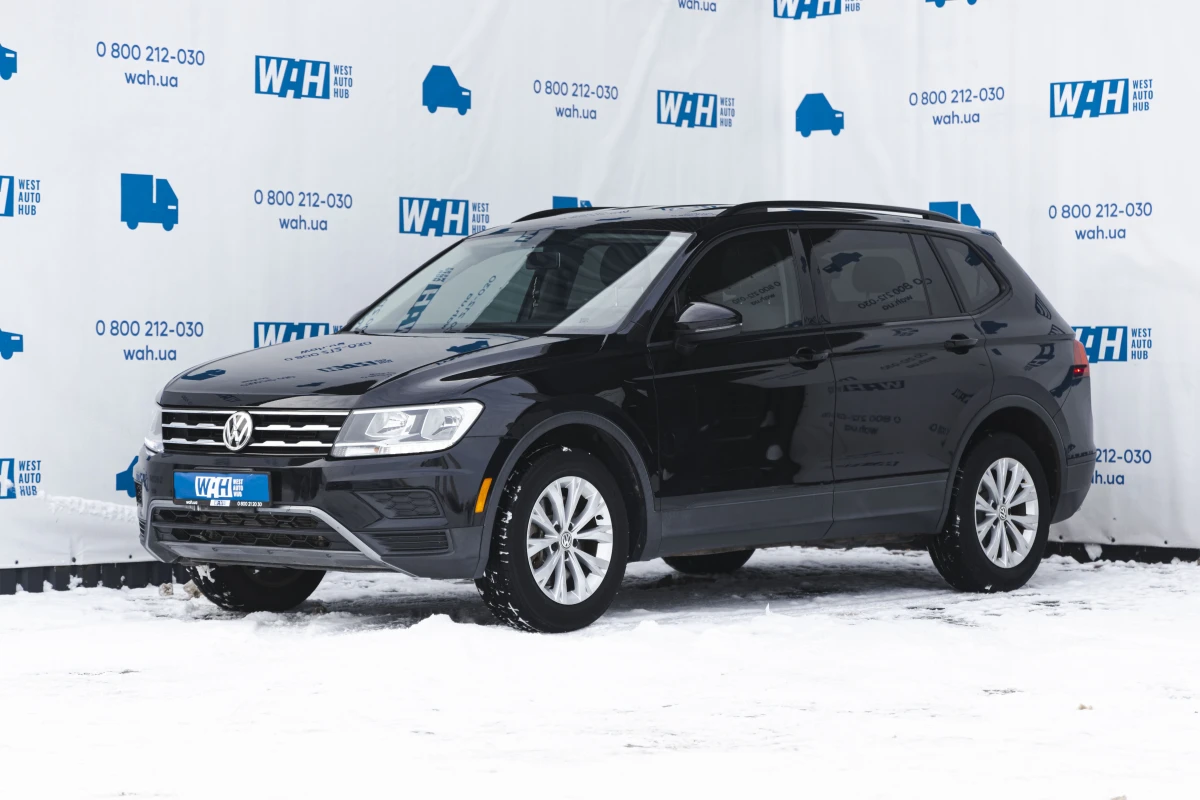



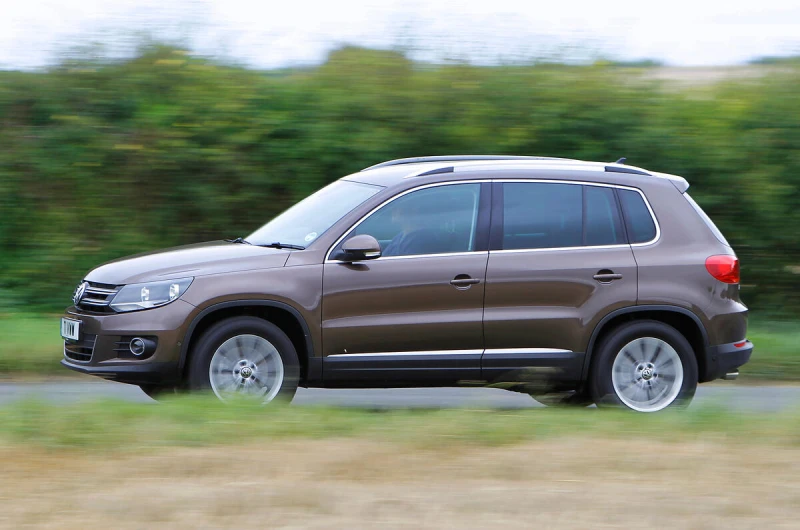
Even in 2025, the VW Tiguan 2007–2016 cabin still looks clean, well-built, and classically German in its practicality. In this detailed guide, we break down the first-generation Volkswagen Tiguan interior, the trim levels commonly found in the US, what changed after the 2011 facelift, and the typical issues that used-car shoppers should watch out for.
Materials and Design
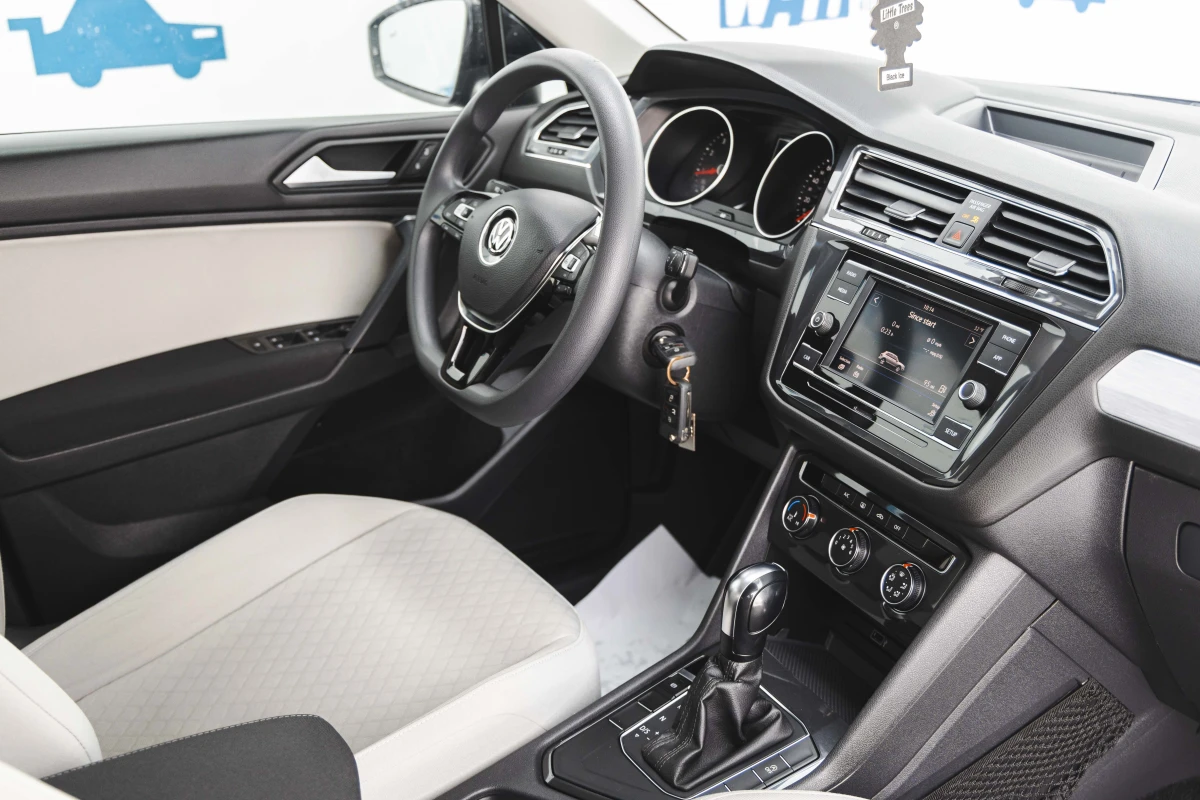
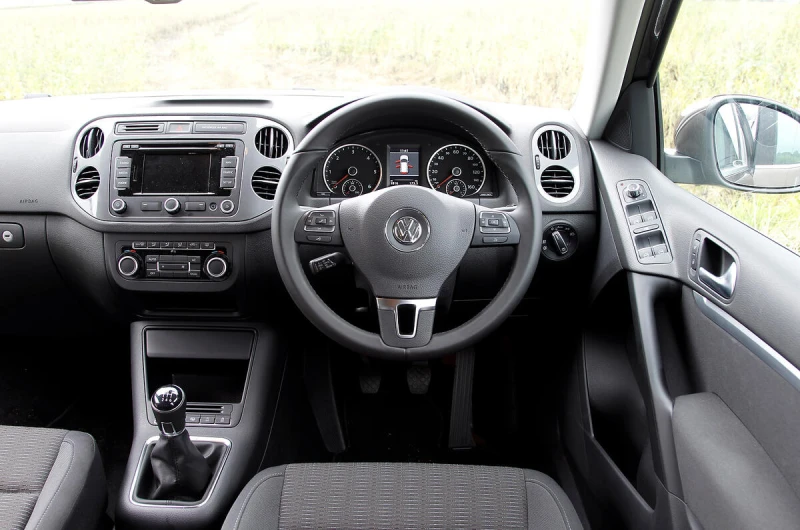
The Tiguan I cabin follows classic Volkswagen minimalism: everything is logical, well-placed, and built to last. The upper dashboard and door panels feature soft-touch plastic, while the lower sections use harder but high-quality, non-creaky material. Aluminum-look or piano black trim accents appear only on higher trims. The instrument cluster uses analog gauges with white backlighting (switched to red after the 2011 facelift), and the center stack is angled slightly toward the driver: radio or RNS-510 navigation up top, followed by the easy-to-use climate control with rotary dials.
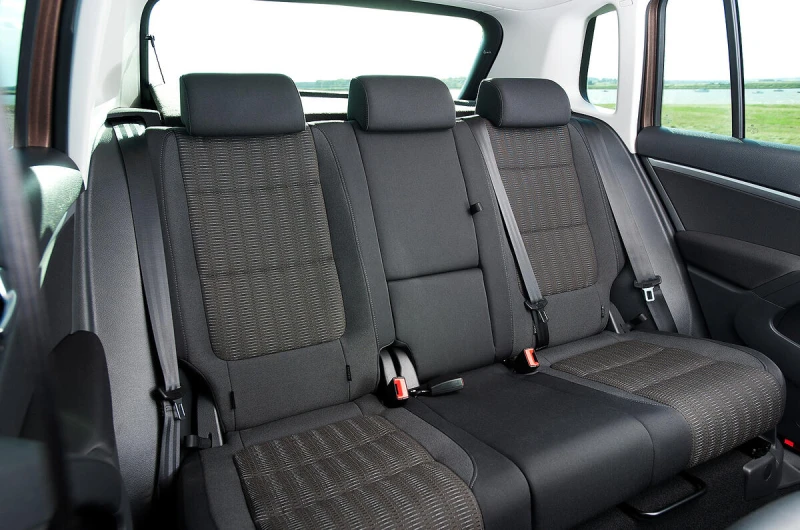
Driver seating position is excellent: huge range of seat and steering wheel adjustment means even taller drivers (over 6'2") fit comfortably. The front seats are among the class leaders — firm padding with strong side bolstering. Rear seating offers decent space for three adults up to about 6'1", though the high center tunnel can bother the middle passenger. Headroom is generous, even with the panoramic sunroof.
Cargo space measures 23.8 cubic feet with seats up and expands to 56.1 cubic feet with them folded — nearly flat floor. The luggage cover is rigid and lifts with the tailgate for easy access. Underfloor storage includes a compact spare or tire repair kit; full-size spare was rare.
Trim Levels on the US Market
In the US, the first-generation Tiguan was officially sold in several main trim lines:
- Trendline / S (base) — cloth upholstery, manual air conditioning, basic RCD-310 radio (CD/MP3, 8 speakers), manual rear windows, steel wheels.
- Comfortline / SE — upgraded cloth, dual-zone automatic climate control, cruise control, multifunction steering wheel, 17-inch alloy wheels, rain & light sensors, Bluetooth, power rear windows, front center armrest.
- Highline / SEL — leather or leather/cloth combination, sport seats, front & rear parking sensors, xenon headlights, panoramic sunroof (option), RNS-510 navigation with 6.5" color screen, keyless access.
- Track&Field / R-Line / Sport&Style (from 2011) — enhanced sport seats, black headliner, aluminum pedal covers, flat-bottom steering wheel, panoramic sunroof often standard.
The most desirable examples on the used market today are usually the Highline/SEL and Sport&Style/R-Line models from 2013–2016 with panoramic sunroof, leather, navigation, and the cold-weather package (heated seats, washer nozzles, auxiliary heater).
Interior Updates by Year (2011 Facelift)
The June 2011 facelift (2012 model year vehicles) brought several noticeable cabin improvements:
- Red instrument backlighting instead of white (less eye strain at night).
- Upgraded radios: RCD-510 and RNS-510 with color screens, USB & Bluetooth support (pre-facelift had only AUX).
- Dual-zone climate control standard on Comfortline/SE and above.
- New upholstery colors and materials: Titan Black and Corn Silk Beige.
- Better sound insulation: additional mats in doors and floor (2012+ models are noticeably quieter).
- Panoramic sunroof added as factory option on Highline/SEL (previously dealer-installed only).
Post-facelift models (2012–2016) make up the majority of used examples in the US — easily spotted by the red instrument lighting and more modern infotainment.
Common Interior Drawbacks on Used Tiguan I in the US
Even in 2025 the cabin holds up well, but time and mileage take their toll:
- Steering wheel & shifter wear — leather peels around 90,000–120,000 miles, worse on ex-fleet vehicles.
- Driver's seat bolsters — side support collapses and cracks, especially on cloth and vinyl.
- Dashboard & door panel creaks — common after 10–12 years, especially in cold weather.
- Piano black trim scratches — center console high-gloss plastic shows marks quickly.
- Panoramic sunroof — develops creaks and leaks over time (repair $400–800).
- RNS-510 navigation — freezes, loses maps, needs reprogramming (~$150).
- Climate control — blend doors stick, musty smell appears (cleaning + actuator replacement ≈ $200–300).
- Rear visibility — thick rear pillars and small rear window limit the view.
On American roads (dust, road salt in winter), cloth interiors get dirty faster than leather, but leather can crack from extreme temperature swings.
Conclusion: Which Interior to Choose in 2025
In 2025 the Volkswagen Tiguan I cabin still feels more upscale than many Korean SUVs from 2015–2018 and far better built than most budget brands. It’s understated, highly ergonomic, and surprisingly durable.
Best picks for the US market:
- SE or SEL 2012–2016 — dual-zone climate, cruise control, multifunction wheel, red gauges, solid infotainment with Bluetooth.
- Approximate market price range for good examples: $7,000–$11,000.
- Ideal combo — panoramic sunroof and heated windshield washer nozzles (very useful in cold climates).
If budget allows, go for a Highline/SEL or R-Line/Sport&Style from 2014–2016 with leather, navigation, and sunroof.
What to inspect when buying:
- Condition of steering wheel and driver’s seat (reupholstery ≈ $200–400).
- Panoramic roof and shade operation.
- No musty odors from the HVAC system.
- All buttons and climate functions working properly.
- No aftermarket "upgrades" (seat covers, cheap trim pieces).
With proper care, the Tiguan I interior in 2025 still scores an impressive 8 out of 10 — one of the strongest reasons to consider a well-kept first-generation model on the American used car market.