


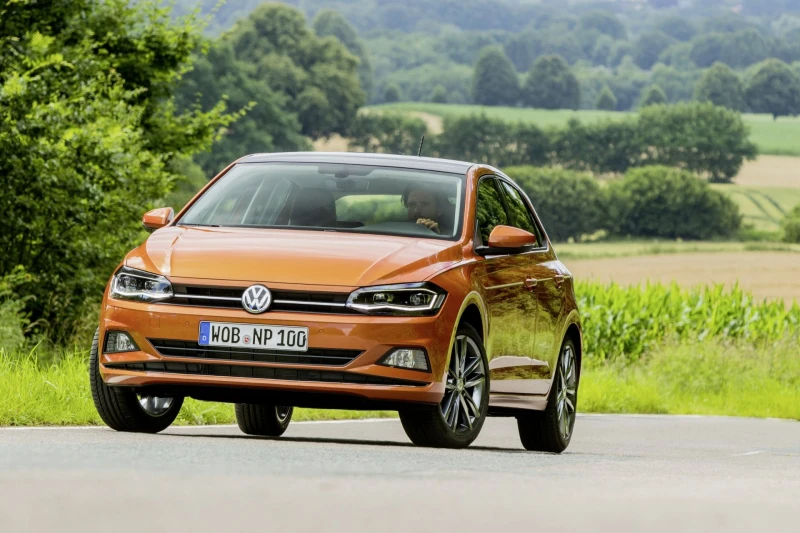
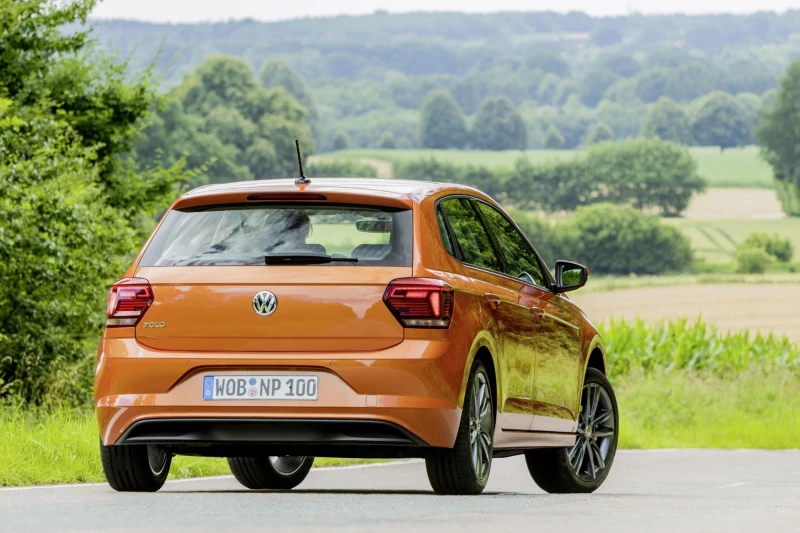
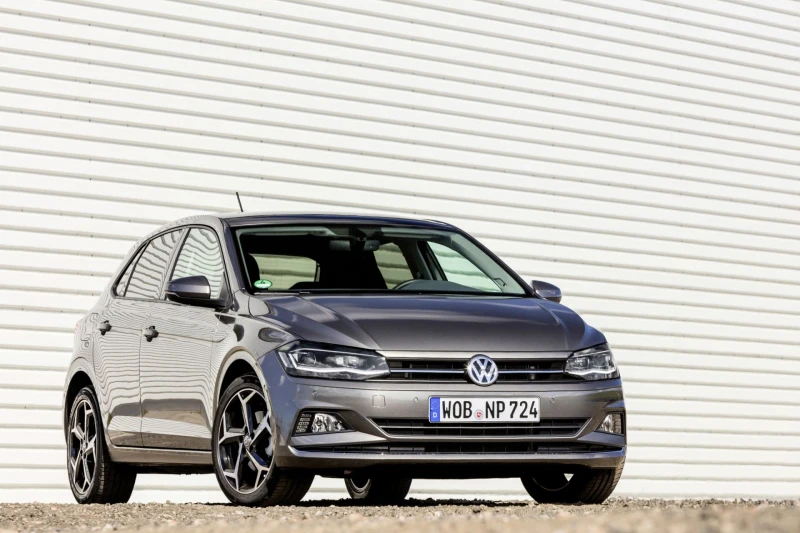
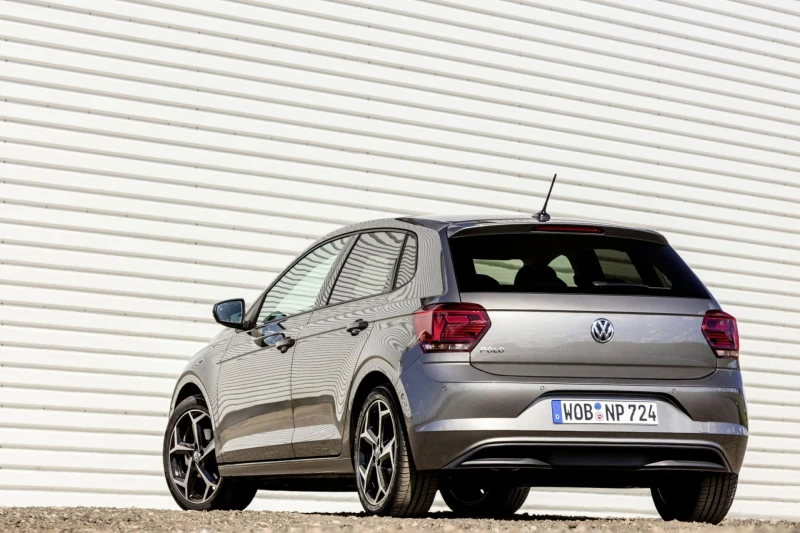
The sixth-generation Volkswagen Polo (AW) is a European-market five-door hatchback that was never part of Volkswagen of America's regular new-car lineup. That changes the buying equation for a U.S. reader: instead of choosing among normal domestic used-car listings, the first questions are the car's original market, federal import eligibility, state registration requirements, and whether parts and diagnostic support are practical where you live.
For that reason, Volkswagen Polo VI problems are better viewed as a combination of age, engine, transmission, previous use, and import history rather than as one fixed list of faults. The AW generation does not have a single defect that automatically makes the model a poor choice. However, some configurations require a more careful inspection than the tidy bodywork and modern cabin may suggest.
The first risk is identifying exactly which Polo you are looking at
The AW hatchback debuted in 2017 on Volkswagen's MQB A0 architecture. It should not be confused with Polo sedans sold in other parts of the world under the same model name. Engines, transmissions, body components, emissions equipment, lighting, and electronic systems can differ substantially by market.
Check the VIN, factory type, body style, original country of registration, and import paperwork. European-market Polo VI models were sold with small gasoline engines, the 1.6 TDI diesel in early years, front-wheel drive, and either a manual transmission or DSG depending on the engine. Other regional versions used additional powertrains, including 1.5 TSI, TGI natural-gas, and later GTI configurations. In the United States, unusual specifications can make sourcing model-specific parts and technical support more complicated.
Early cars and the 2021 facelift deserve different checks
Pre-facelift 2017–2020 cars commonly appear with the 1.0 TSI, including versions paired with a seven-speed DSG, while the 1.6 TDI was also offered in Europe. Volkswagen extensively updated the Polo for 2021. The facelift brought revised lighting, a standard Digital Cockpit in European specifications, newer infotainment, and additional driver-assistance technology. Diesel engines were no longer part of the main facelift range.
The facelift made the Polo more digital, but it also increased the number and cost of electronic components that may need attention after a collision or poor repair. Touch-sensitive climate controls on equipped versions, digital instruments, radar-based assistance systems, and available IQ.LIGHT LED matrix headlights are more expensive to restore correctly than conventional switches, analog gauges, and simpler headlamps.
The 1.0 TSI: service history matters more than cylinder count
The three-cylinder 1.0 TSI is one of the core engines of the AW generation. Depending on model year and European specification, outputs around 95, 110, and 115 PS were used, with later versions also changing as Volkswagen updated the range. The three-cylinder layout itself is not a defect: a slight idle vibration and a distinctive sound under acceleration are normal characteristics. Noticeably uneven running, misfires, metallic noises, or unstable idle speed deserve further diagnosis.
Before buying, check the engine from a cold start, inspect the spark plugs and ignition coils when service records allow, look for coolant leaks, evaluate turbocharger operation, and verify oil-change history. Long service intervals are less attractive on an older used car, especially one that spent much of its life in short urban trips. Heavy deposits under the oil filler cap, unexplained coolant loss, or missing maintenance documentation are reasons to investigate further rather than assume the car has been well cared for.
Fuel economy varies with version and test procedure. Volkswagen quoted roughly 4.4–4.5 L/100 km for a 95-PS 1.0 TSI under the older European test methodology, equivalent to about 52–53 mpg US. Independent real-world results can be lower, and dense city driving, winter operation, and repeated short trips can push consumption toward roughly 29–34 mpg US. These figures are not EPA ratings and should not be treated as directly comparable with U.S.-market fuel-economy labels.
DSG changes how the car should be inspected
Many lower-output Polo TSI versions were paired with Volkswagen's seven-speed dual-clutch transmission, commonly from the DQ200 family with dry clutches. It shifts quickly and can help keep fuel use modest, but stop-and-go driving, prolonged creeping, and using engine torque to hold the car on an incline can place more stress on the clutch system than normal cruising.
On a healthy car, moving away from a stop should not produce heavy shuddering or repeated impacts. A slight pause when selecting drive or reverse and some awareness of clutch engagement can be normal, but pronounced jerking, vibration once warm, delayed reverse engagement, or transmission warnings call for dedicated diagnosis. A scan for stored faults and adaptation data, followed by a drive after the transmission is fully warm, is more informative than a short test around the seller's lot.
Clutch replacement or mechatronics work can become a significant expense, especially in the United States where a Polo-specific repair may involve imported parts and a shop that understands this transmission in a non-U.S.-market application. A well-behaved DSG with documented maintenance is not an automatic reason to reject the car, but an uncertain example should not be budgeted like a routine service item.
The diesel can be efficient, but unknown mileage matters
The 1.6 TDI was offered in Europe in 80- and 95-PS versions before the facelift. Its advantage is low highway fuel consumption, but the condition of the emissions system depends heavily on how the car was used. A vehicle that spent years on short urban trips can develop difficulties with diesel particulate filter regeneration, EGR contamination, and related fault codes.
Higher-mileage cars also deserve checks of the injectors, turbocharger, dual-mass flywheel, and clutch where applicable. Smooth running and a clean exhaust are not substitutes for a diagnostic scan that evaluates injection corrections and DPF loading. A European diesel may have accumulated much of its mileage on highways, which is not automatically negative, but inaccurate mileage changes the calculation of future maintenance costs.
For a car that will regularly cover long highway distances, a healthy 1.6 TDI can be mechanically sensible. For repeated short trips, a gasoline TSI usually imposes fewer diesel-emissions operating conditions to manage. U.S. buyers also need to consider the practical availability of diesel-specific diagnostic expertise and parts for a model that was never sold here through the regular dealer network.
Suspension wear depends more on roads and wheel choice than on a single weak point
The Polo VI uses a straightforward layout with MacPherson struts in front and a torsion-beam rear axle on mainstream versions. There is no single expensive suspension failure that defines the generation, but low-profile tires, larger R-Line wheels, potholes, and repeated impacts can accelerate wear in stabilizer links, bushings, mounts, and dampers.
During a pre-purchase drive, focus on the car's overall behavior rather than one isolated noise. The Polo should track straight, should not require constant steering correction, and should not produce repeated knocking over small bumps. Uneven tire wear can point to alignment problems, bent wheels, worn suspension parts, or the aftermath of body repair.
Road noise is typical of a subcompact hatchback. Coarse pavement can make the tires and rear wheel wells noticeable, and the three-cylinder engine is audible under hard acceleration. Additional sound-deadening may improve refinement, but it is a comfort modification rather than a repair. If the interior has already been dismantled for aftermarket insulation, inspect the quality of that work because broken clips and poorly refitted trim can create new rattles.
Body condition is more about prior repair than age-related rust
For an AW-generation Polo, severe age-related corrosion is not usually the first body concern. Collision history and repair quality are more important. LED headlights, front radar equipment, parking sensors, and original body components can be costly, so even a relatively modest crash may lead to repairs using non-original parts or to driver-assistance functions being disabled rather than restored correctly.
Inspect the underbody, rocker panels, jacking points, door edges, and hatch, especially on cars that lived in areas where winter road salt is common. Damage to protective coatings should be corrected before corrosion develops. Paint-thickness variation alone does not determine whether a car is good or bad, but it should lead to closer inspection of panel alignment, structural seams, and the calibration and operation of assistance systems.
The cabin and electronics do not age at the same rate
Inside, glossy trim, the steering wheel, the outer bolster of the driver's seat, and the center-console plastics usually show wear first. Hard door-panel plastics tolerate normal cleaning but scratch easily. On rough roads, localized rattles may come from the parcel shelf, glovebox, or panels that were previously removed. Many of these noises can be corrected with new clips or careful trim refitting.
Infotainment systems can freeze, connect slowly to a phone, or behave inconsistently with connected features. Start by checking software status, cables, the 12-volt battery, and any aftermarket accessories before assuming the head unit itself has failed. Multiple driver-assistance warnings appearing at once can sometimes trace back to low system voltage, a damaged sensor, or incorrect wiring work rather than simultaneous failure of several control modules.
Service campaigns must be checked against the original market and VIN
European-market Polo VI vehicles have been subject to service and recall campaigns affecting limited production groups, including items related to the parking brake, passenger-airbag components, rear-spoiler attachment, and the panoramic-roof frame on certain cars. These campaigns did not apply to every Polo of the same model year.
Because the AW Polo was not a regular U.S.-market model, do not rely only on a standard U.S. recall lookup. Have Volkswagen or a specialist verify the VIN against the vehicle's original market records and confirm that applicable campaign work was completed. The existence of a campaign does not make a particular car defective, but missing campaign documentation is something to resolve before purchase.
For U.S. buyers, import eligibility can outweigh mechanical condition
A sixth-generation Polo was not certified as a normal U.S.-market vehicle. Under NHTSA rules, a vehicle less than 25 years old that was not originally manufactured and certified to comply with applicable Federal Motor Vehicle Safety Standards generally cannot be imported permanently unless it qualifies through a specific legal pathway. State title, registration, and emissions requirements are separate issues. Before paying for a car overseas or buying one already in the United States, verify the exact VIN, federal entry documents, and state-level eligibility.
This matters because a mechanically excellent Polo can still become a poor purchase if its import status is unclear. A seller should be able to document how the vehicle entered the country and why it is legal for the intended use. Temporary imports, exemptions, competition vehicles, and other special cases should not be assumed to carry the same rights as a normally titled road car.
How to separate normal traits from future expenses
The characteristic three-cylinder sound, noticeable tire noise, and hard lower-cabin plastics are mostly class traits. Trim rattles, an older infotainment system, or limited sound insulation can often be addressed without major mechanical work. A different level of expense is involved with a shuddering DSG, diesel-emissions faults, damaged matrix LED lighting, or incorrect collision repairs involving radar and other sensors.
For a U.S. enthusiast considering a legally eligible example, a 1.0 TSI with a manual transmission and documented service history is mechanically straightforward by Polo VI standards. A DSG-equipped car can also be considered after a thorough transmission diagnosis. A 1.6 TDI makes the most sense for sustained highway use, while a Polo GTI deserves its own inspection standard because of its higher-performance drivetrain and the possibility of harder previous use.
The Volkswagen Polo VI is not defined by one fatal weakness. Its main risks come from dual-clutch transmission condition, diesel emissions hardware, electronics on higher-spec cars, collision history, and—uniquely for a U.S. buyer—the legality and practicality of owning a model that was not officially sold here. With transparent documentation and a careful inspection, the car can still be an interesting enthusiast choice, but import status, parts support, and specialist access should be checked before mechanical condition is treated as the only deciding factor. See the other articles in this series for the generation overview, technical specifications, and interior guide.