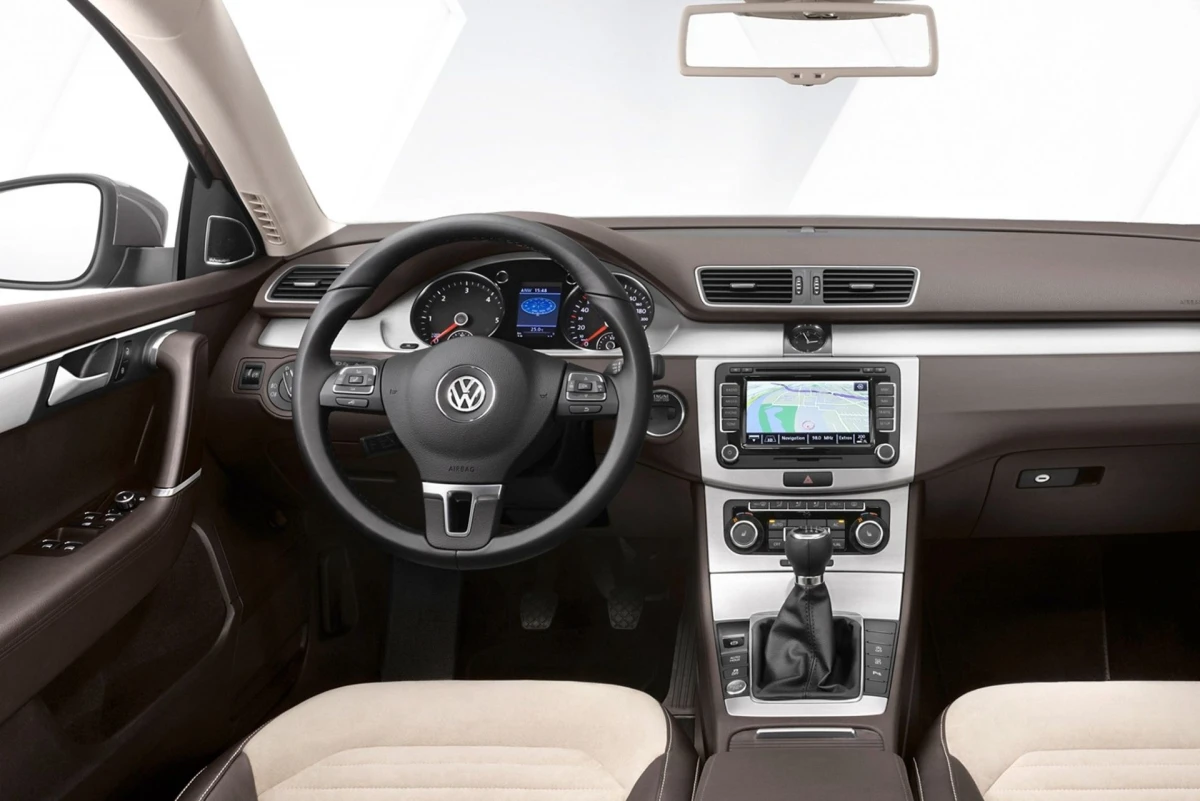



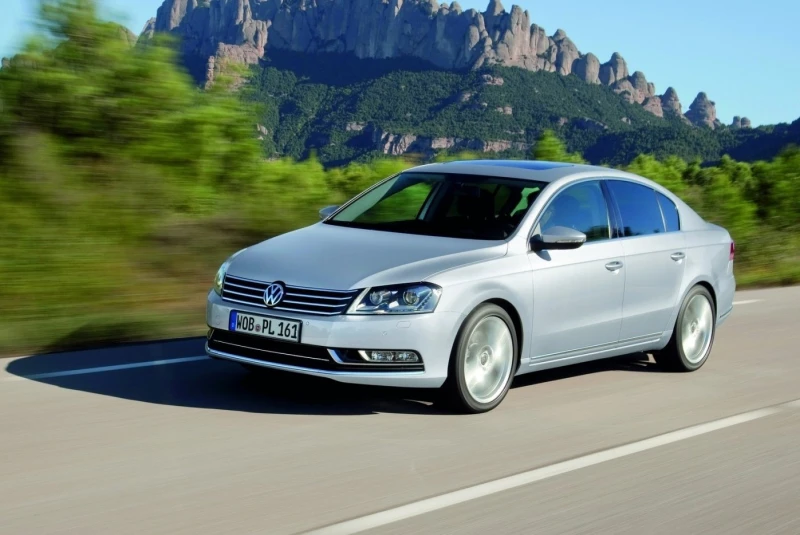
This version, commonly known as the B7, was produced from 2010 to 2015 and served as a comprehensive facelift of the previous generation. In this review, we cover the model's key technical features, major updates over its predecessor, current condition on the used market, and practical advice for prospective buyers. The Volkswagen Passat B7 strikes an appealing balance of comfort, technology, and efficiency, remaining a solid option even years after production ended.
Introduction
The Volkswagen Passat VII (2010–2015) represents the seventh generation and is now considered a completed model cycle. Sales in Europe began in 2010, with examples reaching the United States market through both official channels and later imports. It rides on the PQ46 platform — an evolution of the PQ35 architecture first seen in the fifth-generation Golf — supporting transverse engine placement and front- or all-wheel drive (4Motion) configurations.
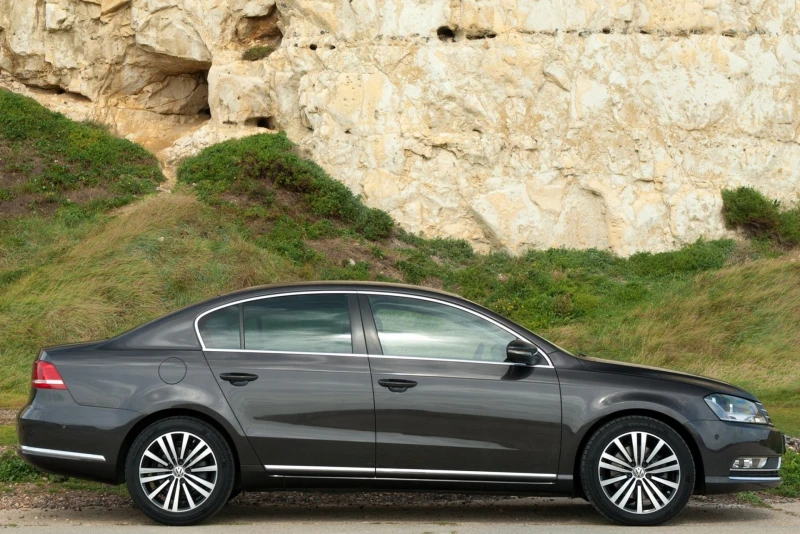
Within Volkswagen's lineup, the Passat B7 was positioned as a midsize sedan or wagon (Variant) aimed at families and fleet buyers. Design highlights include a revised front end with a new grille and headlights, giving the car a more formal and contemporary appearance compared with the earlier model. The technical package brought better sound insulation, a wider range of driver aids, and comfort features such as optional DCC adaptive suspension and driver fatigue detection. Depending on the market, the model was offered as a sedan, wagon, raised Alltrack variant, or CC four-door coupe.
What Changed Compared with the Previous Generation
The Volkswagen Passat VII (B7) was not an all-new car but a deep facelift of the B6 (2005–2010). The most visible updates were exterior: nearly every body panel except the roof and glass was redesigned, including fresh headlights, bumpers, and a grille aligned with Volkswagen's styling of the era. The result was a more restrained and elegant look without adventurous experimentation.
Technically, the PQ46 platform carried over but received reinforcements for greater rigidity and improved cabin quietness. Suspension tuning was revised for better road manners and reduced noise. New tech features debuted, including Dynamic Light Assist (automatic high-beam control), City Emergency Braking, and adaptive cruise control on higher trims. Interior quality improved with better materials, plus optional ventilated seats and a panoramic sunroof.
Safety performance advanced as well: the model earned strong Euro NCAP ratings (5 stars), with particular gains in frontal and side-impact protection. Engines — especially the TDI diesels — became more dependable, with early timing-chain issues largely addressed. Regional differences remained: European and many import markets emphasized 2.0 TDI variants, while more powerful gasoline engines such as the 3.6 VR6 were mainly offered in select regions like the United States and were rare in most European countries.
Current Market Status
Production of the Volkswagen Passat VII ended in 2015. The final lineup included the sedan, Variant wagon, Alltrack crossover-wagon (introduced in 2012), and CC. Major milestones: 2010 launch as a B6 facelift, 2012 Alltrack debut with raised ground clearance (about 6.5 inches) and 4Motion all-wheel drive, and 2015 phase-out ahead of the B8 successor.
On the used market, the most sought-after versions are typically the 2.0 TDI diesels (140–170 hp) paired with 6-speed manual or DSG transmissions in Comfortline or Highline trim. These offer strong fuel economy (roughly 35–45 mpg combined), solid reliability, and respectable performance. The 1.8 TSI and 2.0 TSI gasoline engines are also popular but require careful inspection of the timing chain. Early 1.4 TSI twincharged units are less recommended due to potential turbo and supercharger concerns. In the United States, both gasoline and TDI variants were offered, with gasoline models dominating the used supply today.
United States Market
In the United States, the Volkswagen Passat VII is found almost exclusively on the used market, as production has long ended. Listings on major platforms show hundreds of examples available nationwide. Fresh imports from Europe are uncommon, with most vehicles being original U.S.-spec units or North American-market cars with typical mileage in the 100,000–180,000 range.
The used market remains steady: these models retain appeal thanks to their reputation for durability, spacious interiors, and readily available parts. Approximate price range today is $5,000–$11,000, depending on condition, mileage, trim, and whether it's a gasoline or TDI model. Lower prices (around $4,000–$6,000) apply to higher-mileage examples or those needing work, while well-maintained, lower-mileage cars — especially TDI variants in good condition — can reach the upper end or slightly beyond.
The most popular configurations are gasoline sedans with the 1.8 TSI or 2.0 TDI diesels (where still legal and maintained) and automatic transmissions, in mid- to high-level trims such as SE or SEL. Diesels were prized for efficiency, though gasoline versions are more common in many regions. U.S.-spec cars often feature different engine tuning and emissions equipment compared with European counterparts, with the 3.6 VR6 V6 available in select higher trims.
| Version | Approximate Market Price (USD) |
| Base (S / Trendline equivalent, gasoline) | $5,000–$7,000 |
| Mid-level (SE / Comfortline equivalent) | $6,000–$8,500 |
| High-level (SEL / Highline equivalent, gasoline or TDI) | $7,500–$11,000 |
| Alltrack or V6 models (where available) | $9,000–$13,000 |
Prices are approximate, based on current listings, and vary significantly by mileage, condition, location, and service history.
Common Trims and Equipment in the United States Market
Typical trims found on the U.S. used market include base S, mid-level SE, luxury-oriented SEL, and occasional Wolfsburg or R-Line editions. Entry-level S models usually feature ABS, stability control, front and side airbags, automatic climate control, basic audio, power windows, and 16- or 17-inch wheels.
SE trim adds upgraded cloth upholstery, improved infotainment, cruise control, rear parking sensors, and often larger wheels. SEL versions bring leather, a panoramic sunroof, ventilated seats, navigation, premium audio, and advanced lighting. Optional packages included adaptive suspension (DCC on some), all-wheel drive (4Motion, mainly on Alltrack), and efficiency-focused BlueMotion elements (more common in Europe).
U.S. models were tuned for local conditions: suspension settings suited to American roads, infotainment supporting U.S. mapping, and safety systems meeting federal standards. Engines included the 1.8 TSI and 2.0 TSI gasoline units (with regular unleaded), plus the 2.0 TDI diesel in certain years (using ultra-low-sulfur diesel). Transmissions were typically 6-speed manual or automatic (including DSG), with all-wheel drive limited to specific variants.
Conclusions and Continued Relevance
The Volkswagen Passat VII remains a compelling used-market choice for families seeking a roomy interior, large trunk (up to 15.9 cu ft in the sedan, over 60 cu ft with seats folded in the wagon), and efficient powertrains. It continues to offer strong value, parts availability, and respectable resale for its class. The best picks are usually post-2012 examples with the 2.0 TDI (where available and properly maintained) or 1.8/2.0 TSI gasoline engines in SEL or equivalent trim — combining dependability with good comfort.
When shopping for a used Passat B7, pay close attention to timing-chain condition on TSI gasoline engines, DSG mechatronics (especially early DQ200 units), water pump, and any emissions-related software updates (relevant for TDI models affected by past recalls). A thorough service-history check, suspension inspection, and full electronics scan are highly recommended. U.S. examples generally follow North American specifications, so avoid assuming European equipment levels.
Overall, the Volkswagen Passat B7 review confirms that this generation continues to deliver sensible, no-nonsense transportation for buyers who prioritize practicality and value.