This generation, known internally as F15, was produced from 2013 to 2018 and gained strong popularity in the US thanks to its versatility, performance, and dependability. The BMW X5 2013–2018 cabin delivers excellent comfort for long highway drives and city commutes, plus generous space for family use. In this article, we break down the key interior aspects, trim levels, model evolution, and potential drawbacks, based on today’s US used-car realities in 2026. The third-generation X5 interior remains a compelling choice for buyers seeking a balance of luxury and functionality.
Materials and Design
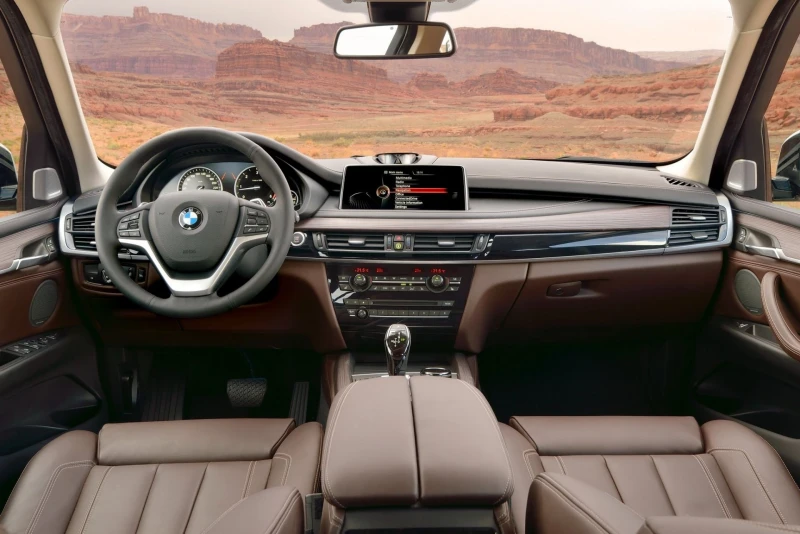
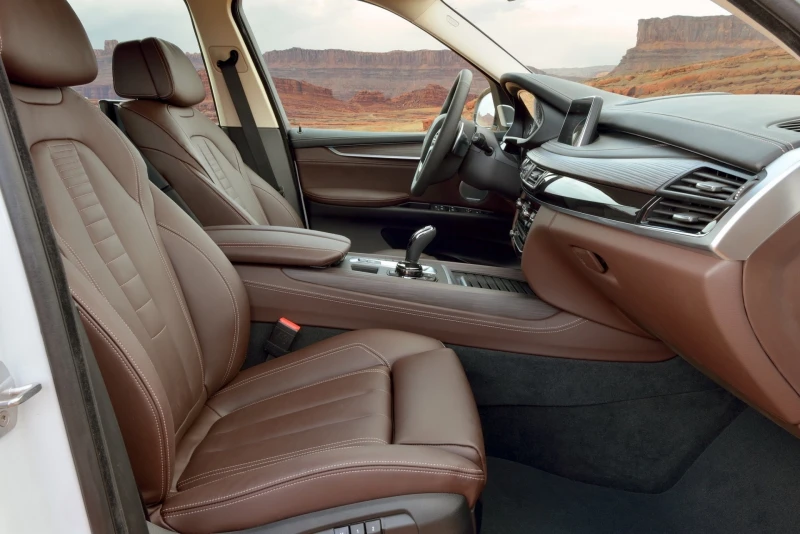
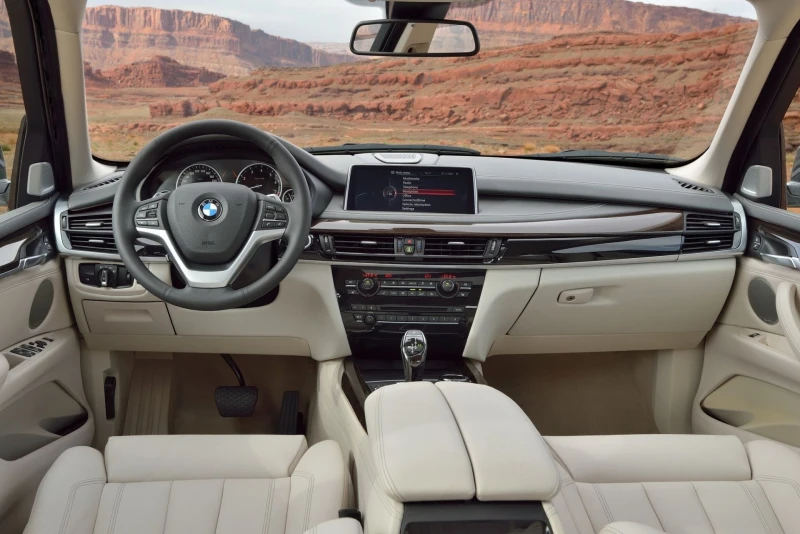
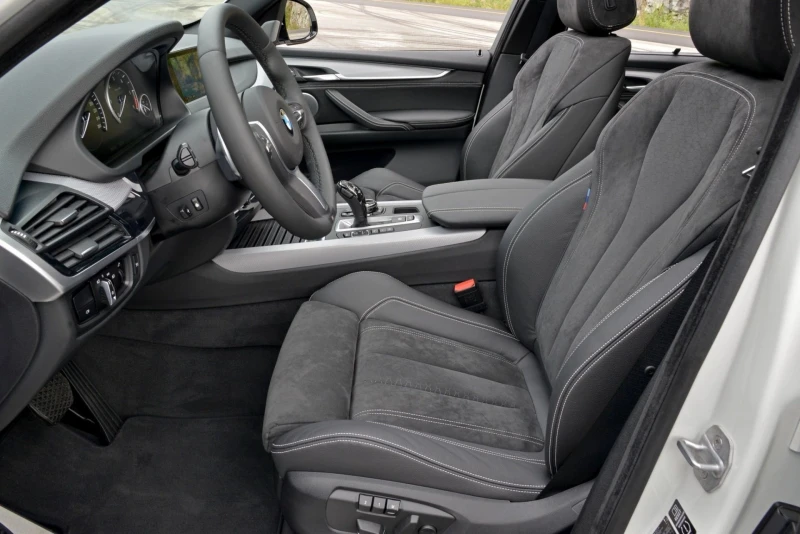
The BMW X5 2013–2018 interior follows classic BMW driver-oriented philosophy: clean lines, premium materials, and a sporty cockpit feel. The dashboard layout subtly angles toward the driver, fostering a connected driving experience. The center console integrates the iDrive infotainment touchscreen (ranging from 6.5 to 10.25 inches depending on trim), rotary controller, and climate controls. Trim materials feature soft-touch plastics on the dash, genuine wood (walnut, oak) or aluminum inlays, and Dakota or Nappa leather in higher specifications. Sensatec synthetic leather appears in entry-level models – durable and easy to maintain.
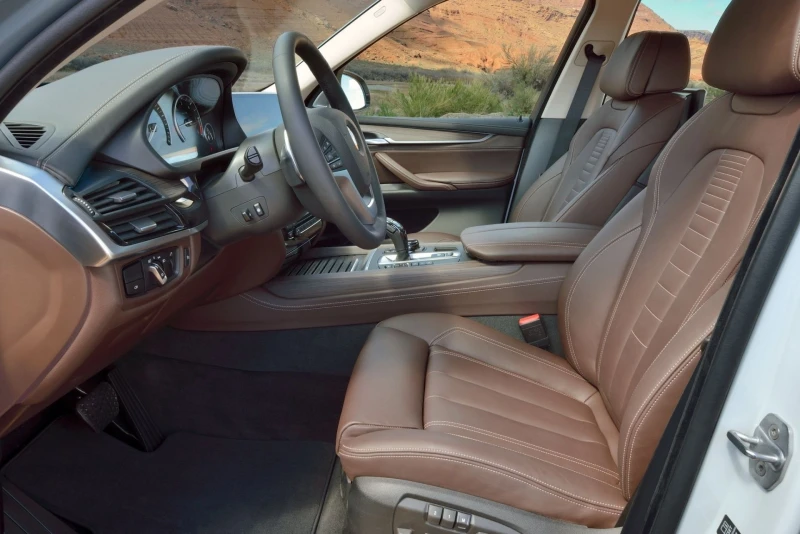
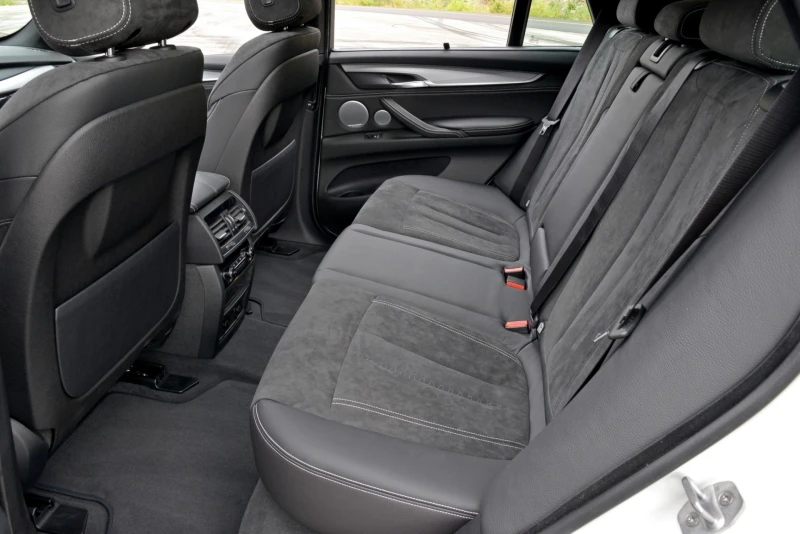
Seating position is commanding: front seats offer power adjustments (up to 20-way in top configs), heating, and ventilation, accommodating drivers up to about 6'5". Side bolstering is strong, ideal for spirited driving. The rear bench provides ample legroom (wheelbase 115.5 inches) and headroom for three adults, though the center tunnel can intrude for the middle passenger. Optional rear seats include tilt adjustment for added comfort. Visibility is solid thanks to large mirrors and slim pillars, while urban driving benefits from standard rearview camera and parking sensors.
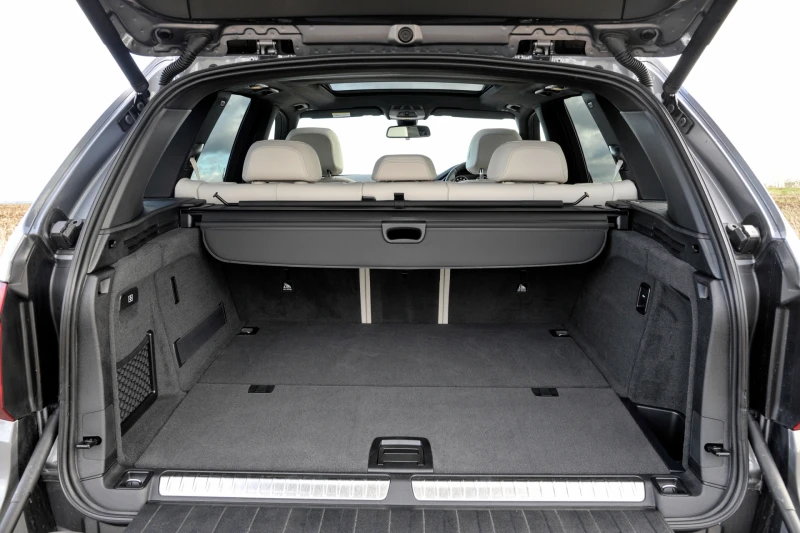
The cargo area enhances practicality: 650 liters (23 cubic feet) behind the rear seats, expanding to 1,870 liters (66 cubic feet) with seats folded (40:20:40 split). The load floor is flat, with tie-downs, cargo nets, 12V outlet, and optional third-row seating for seven passengers. Power tailgate (standard on most trims) simplifies loading in tight parking lots. Overall, the cargo space suits shopping trips, sports gear, or weekend getaways.
In summary, the BMW X5 III cabin underscores its premium positioning: high-quality materials hold up well over time, the design remains timeless, and ergonomics excel for daily US driving conditions.
Trim Levels in the US Market
In the US, the BMW X5 2013–2018 was offered in several lines: base, xLine, Luxury (Pure Excellence), and M Sport. Entry-level models featured cloth or Sensatec upholstery, dual-zone climate control, 6.5-inch iDrive screen, LED headlights, and basic driver aids (parking sensors, cruise control). Diesel variants (xDrive35d) were popular for their efficiency.
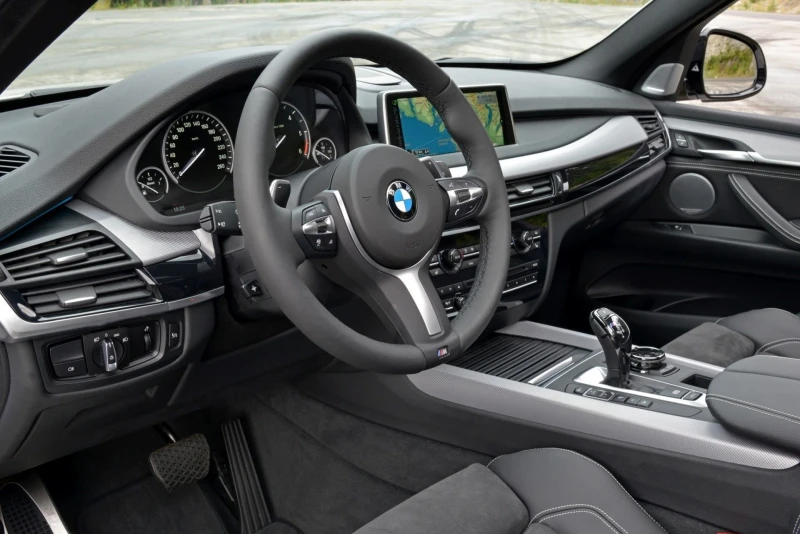
xLine and Luxury packages added Dakota leather, heated front seats, panoramic sunroof, upgraded audio, and rearview camera. Top Luxury trims included Nappa leather, wood trim, tri-zone climate, head-up display, and Harman Kardon sound. The M Sport package brought sport seats with Alcantara, M steering wheel, adaptive suspension, 360° cameras, and full driver-assistance suite: adaptive cruise, lane keeping, automatic emergency braking.
| Trim Level | Engine Example | Key Interior Features | Approx. Used Market Price (2026, USD) |
| Base | xDrive35i (300 hp) | Sensatec/cloth, dual-zone climate, iDrive 6.5" | $12,000–$18,000 |
| xLine / Luxury | xDrive35i / xDrive40e | Dakota leather, panorama roof, heated seats | $15,000–$22,000 |
| Luxury / Premium | xDrive50i | Nappa leather, wood trim, tri-zone climate | $18,000–$26,000 |
| M Sport / Top | xDrive50i / M50d equiv. | Alcantara, Harman Kardon, 360° cameras | $20,000–$32,000 |
Most used examples on the American market today are xLine and M Sport specifications, often equipped with ventilated seats, ambient lighting, and advanced driver aids.
Interior Updates by Year
In 2016, the BMW X5 III received a mid-cycle refresh (LCI) that modernized the cabin:
- Larger iDrive touchscreen (up to 10.25") with updated interface.
- New leather color options (Mocha, Ivory) and fresh trim accents.
- Improved door and window sound insulation.
- Upgraded iDrive NBT system with optional Apple CarPlay support.
- Digital instrument cluster in higher trims.
Pre-facelift models (2013–2015) featured a more traditional layout with analog gauges. Post-2016 versions feel noticeably fresher and closer to current BMW standards, improving long-distance comfort on American highways.
Common Interior Drawbacks
The 2013–2018 X5 cabin has a few known issues relevant to US owners:
- Leather wear: Light interiors (beige, ivory) show dirt from jeans and can crack in extreme heat/cold.
- Glossy trim scratches: Piano-black console elements scratch easily.
- Creaks & rattles: Over time, especially on rough roads (fixable with added padding).
- Noise levels: Pre-facelift wheel-arch insulation allows noticeable tire roar on highways.
- Rear headroom: Taller passengers may find it snug.
- Rear visibility: Small rear window – rear camera is highly recommended.
- Maintenance: Leather needs conditioning to resist sun damage and winter road salt.
Some high-mileage examples come from fleet or ride-share use – expect accelerated wear. Harsh sun in southern states can accelerate material aging.
Conclusion
In 2026, the BMW X5 III interior still feels upscale, though it lacks the massive screens and latest sensors of newer models. It hasn’t dated significantly – especially post-facelift examples.
Best US-spec choice: 2016–2018 xLine or M Sport with Dakota leather, panoramic roof, cameras, and driver aids (strong balance of price, equipment, and comfort).
When shopping, inspect leather/plastic condition, listen for creaks during test drive, verify infotainment operation, and check vehicle history (avoid heavy commercial use).
The third-generation BMW X5 cabin remains a smart pick for families wanting luxury combined with real-world usability.