


This generation, known as the G01, was produced from 2017 to 2024 and has become a favorite on the U.S. market for its versatility. The BMW X3 2017–2024 cabin offers excellent comfort for daily commutes through city streets in Los Angeles or long drives on American highways, plus plenty of practicality for family road trips. In this article, we break down the key aspects of the interior, available trims, model evolution, and potential drawbacks, based on real-world U.S. market conditions in 2026.
Materials and Design
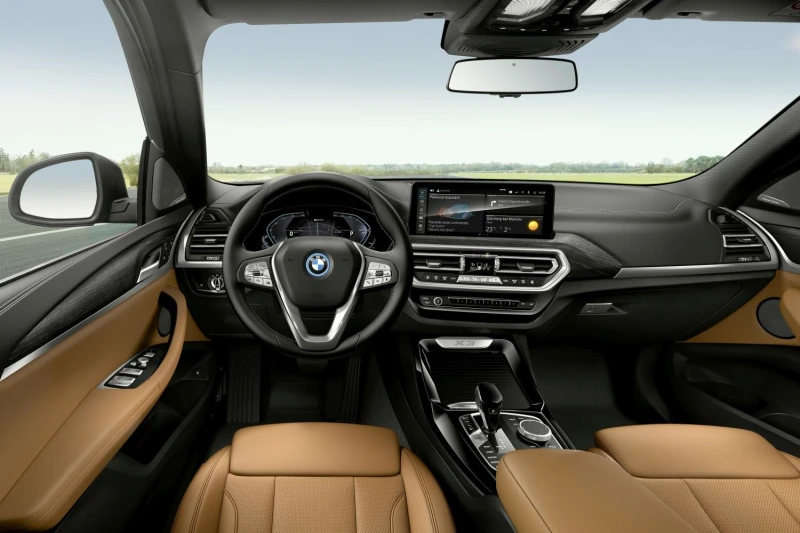
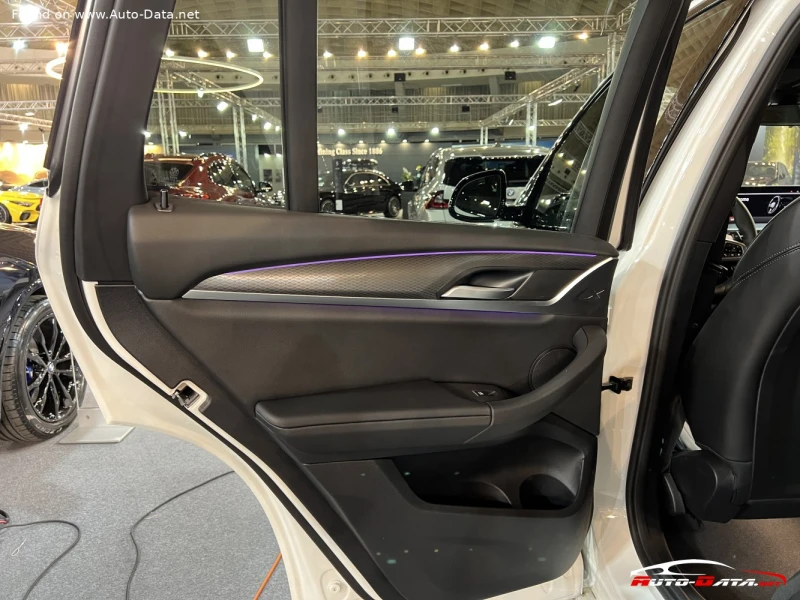
The BMW X3 2017–2024 cabin follows classic BMW styling: clean, ergonomic, and driver-oriented. The dashboard layout emphasizes the car's sporty character – the cockpit is angled slightly toward the driver for a true sense of connection. The center console features a large touchscreen for the iDrive infotainment system, starting at 10.25 inches in base models and reaching up to 12.3 inches in higher trims. Premium materials dominate: soft-touch plastics on the dash, aluminum or wood accents (depending on trim), and Vernasca leather or high-quality Sensatec synthetic leather with perforation.
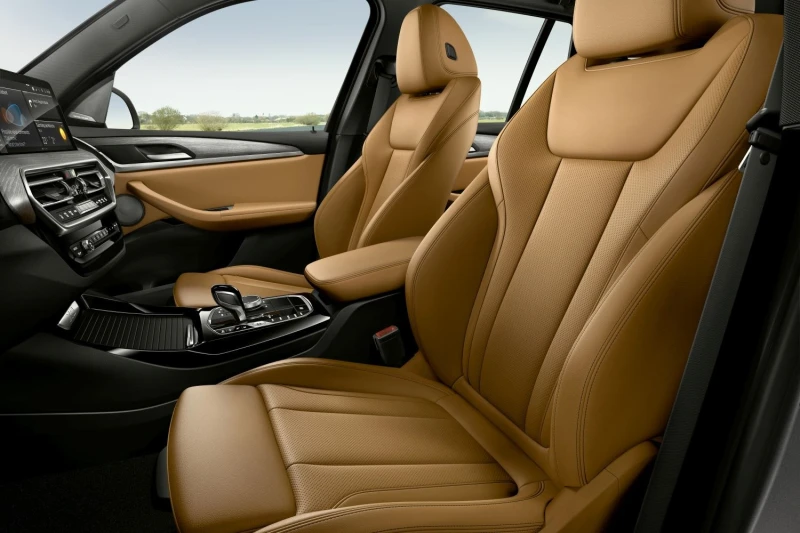
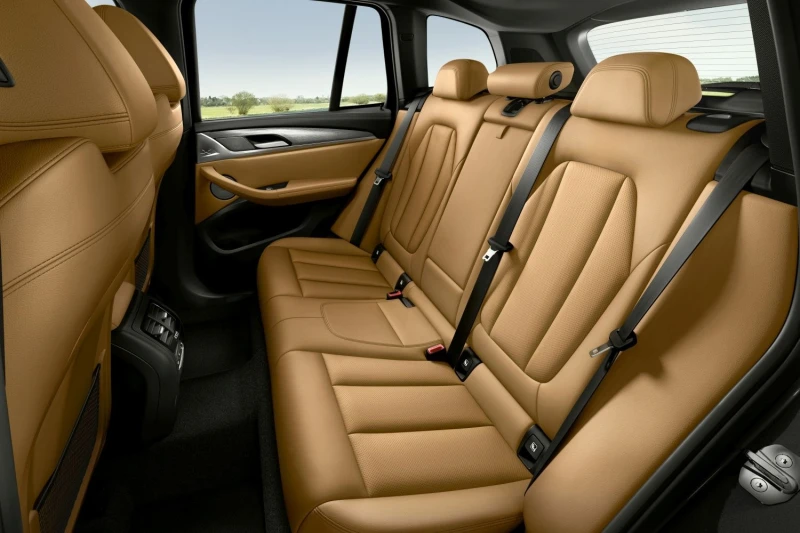
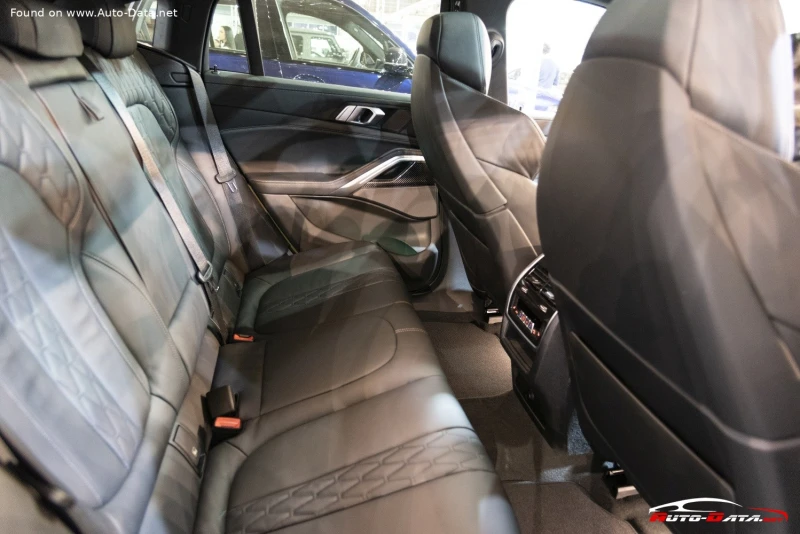
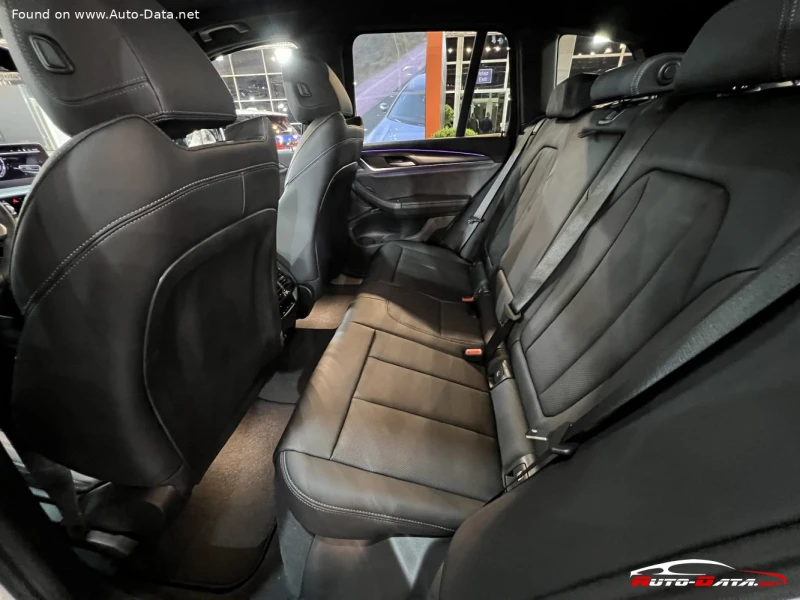
Seating comfort is outstanding: front seats offer strong side bolstering, wide-ranging electric adjustments (in mid- and top-tier trims), and memory functions. The driver's position works well for people up to about 6'5". The rear bench provides ample legroom and headroom for three adults, though the high center tunnel slightly reduces comfort for the middle passenger. Visibility is strong thanks to slim pillars and large mirrors, but in heavy urban traffic across the U.S., the optional 360-degree cameras make parking and maneuvering much easier.
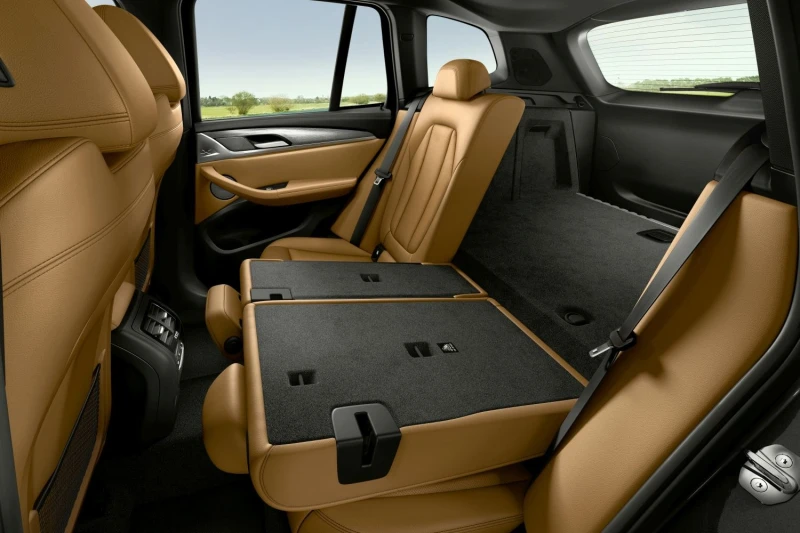
The trunk enhances the cabin's practicality: 550 liters with seats up and up to 1,600 liters with the rear seats folded (40:20:40 split). The load floor is nearly flat, with storage compartments, hooks, a 12V outlet, and power tailgate (standard on most U.S. versions). It's perfect for everyday tasks – from grocery runs to hauling gear for weekend getaways.
Trims on the U.S. Market
In the U.S., the BMW X3 III was commonly offered with gasoline engines (xDrive30i, M40i) due to fuel availability and performance preferences. Key trim lines included base, xLine, Luxury Line (or Premium packages), and M Sport. Even entry-level models come well-equipped for the segment.
| Trim | Typical Interior Features | Additional Highlights | Approximate Used Market Price (2026, USD) |
|---|---|---|---|
| Base / xDrive30i | Sensatec upholstery, 3-zone climate control, 10.25" iDrive, LED ambient lighting, heated front seats | Parking sensors, cruise control | $22,000 – $30,000 |
| xLine / Premium | Vernasca leather, panoramic sunroof (option), extended ambient lighting, power seats | Rearview camera, wireless charging | $28,000 – $38,000 |
| Luxury Line | Wood/aluminum trim, 3-zone climate, head-up display, premium audio | Adaptive cruise, lane-keeping assist | $32,000 – $42,000 |
| M Sport / M40i | Sport seats with Alcantara, M steering wheel, Harman Kardon audio, 360° cameras | Adaptive suspension, full Driving Assistant Professional package | $38,000 + |
Most used examples on the U.S. market are xLine or M Sport versions, as base models were less commonly ordered new, while higher-end Luxury and M variants hold value particularly well.
Interior Updates by Year
In 2021 (for the 2022 model year in many markets), the BMW X3 III received a significant facelift (LCI) that refreshed the cabin noticeably:
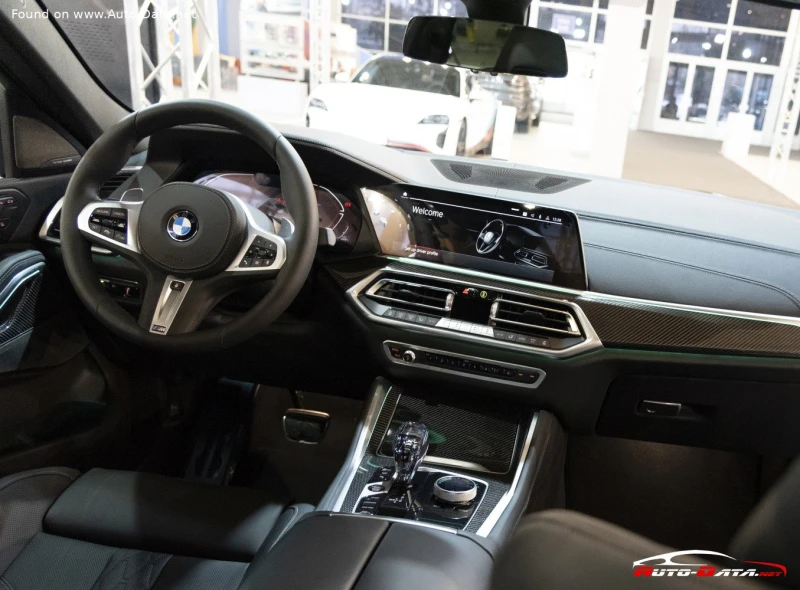
- Updated center console design inspired by the latest 3 Series and 4 Series, with a larger iDrive 7 screen (10.25" or 12.3").
- Redesigned gear selector with new shape and illumination.
- Expanded standard equipment: 3-zone climate control, heated seats and steering wheel became standard on most trims in the U.S.
- New interior color options (such as Cognac and Tacora Red) and enhanced multi-zone ambient lighting.
- Improved sound insulation with acoustic glass on the windshield and front side windows becoming standard.
- Wider availability of the 12.3" Live Cockpit Professional digital instrument cluster.
Pre-facelift models (2017–2021) featured a slightly more conservative look, with analog gauges in base versions and iDrive 6. Post-2021, the cabin feels significantly more modern and aligned with current BMW models from 2025–2026.
Common Interior Drawbacks
Despite its premium positioning, the BMW X3 2017–2024 cabin has some typical issues, especially relevant in U.S. driving conditions:
- Wear on light-colored leather and Sensatec – beige or cognac interiors show scuffs and staining from jeans quickly, particularly on the driver's seat.
- Scratches on glossy trim (“piano black”) on the center console – easily marked by keys or phones.
- Interior rattles on rough roads – often from the dashboard or door panels (can be addressed with felt tape or dealer fixes).
- Noise insulation – pre-facelift models let in more tire and road noise on highways; acoustic glass helps post-2021.
- Rear visibility – small rear window; the camera is almost essential.
- Leather maintenance – requires regular conditioning to prevent cracking in hot summers or from road salt in winter.
- Infotainment reliability – pre-facelift iDrive 6 can have glitches; software updates often resolve them.
On the U.S. used market, many vehicles come from high-mileage corporate or fleet use – these often show heavier interior wear.
Conclusion
In 2026, the BMW X3 III interior (especially post-2021 facelift) remains fresh, premium, and highly competitive – it only trails newer models in screen size and touch-based controls. It hasn't aged like some rivals from the same era.
Best trim for the U.S. market: xLine or M Sport from 2021–2024 with Vernasca leather, panoramic roof, 360° cameras, and Driving Assistant package. These offer the strongest mix of value, features, and comfort (roughly $30,000–$45,000 on the used market depending on mileage and condition).
What to check when buying:
- Condition of leather and trim (especially lighter colors).
- No rattles or unusual noises during a test drive.
- Infotainment functionality and latest software updates.
- Presence of acoustic glass and improved insulation (post-2021).
- Service history – steer clear of former fleet or high-use vehicles.
The third-generation BMW X3 cabin remains one of the strongest in the compact premium crossover segment – comfortable, well-built, and durable with proper care.