


The Volkswagen Passat 2010–2015 cabin prioritizes comfort for daily driving, making it an excellent choice for families and long highway trips. This article explores the key interior elements, available trims, year-over-year changes, and typical ownership notes for the US market, where the model enjoys steady demand on the used car scene.
Overall Cabin Overview
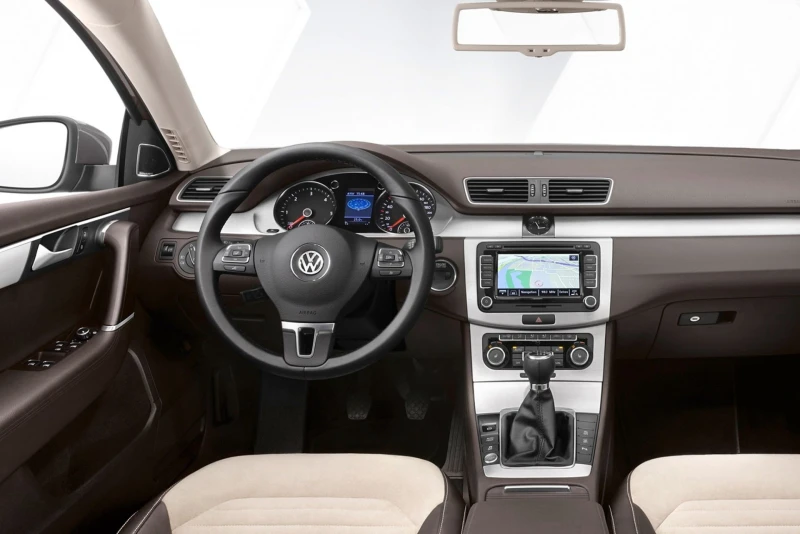
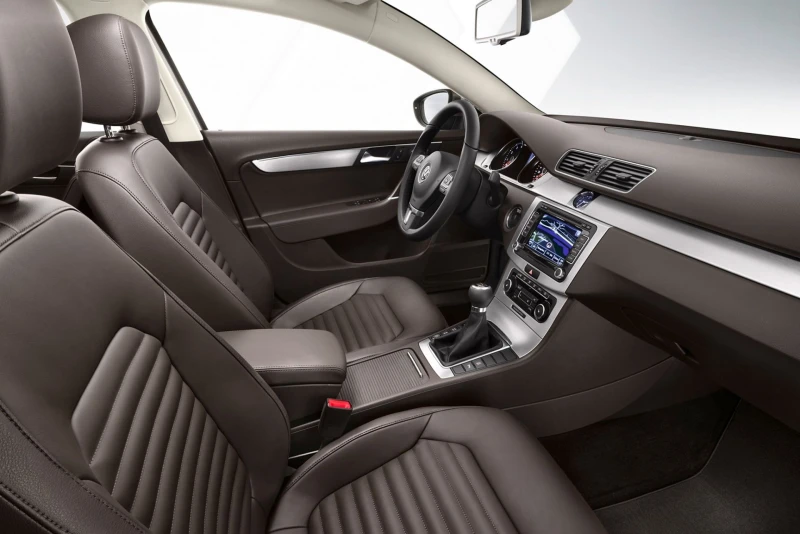
The interior of the Volkswagen Passat VII follows the brand's signature conservative aesthetic from that era. Trim materials feature soft-touch plastics on the upper dashboard, with fabric or leatherette inserts depending on the trim level, plus aluminum or wood accents in higher-end versions. Build quality feels premium for the class, though base models use harder plastics that can feel less refined to the touch. The instrument panel layout remains clean and driver-oriented: analog gauges with crisp readability, a center stack housing climate controls and the infotainment system.
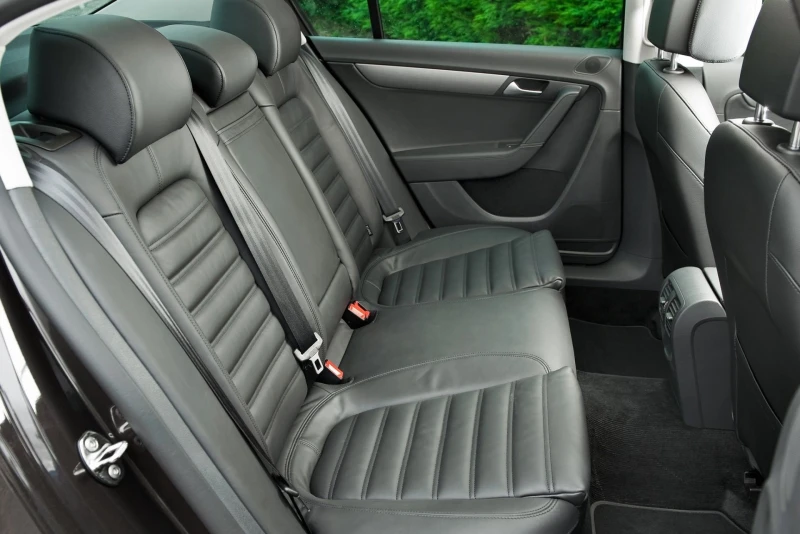
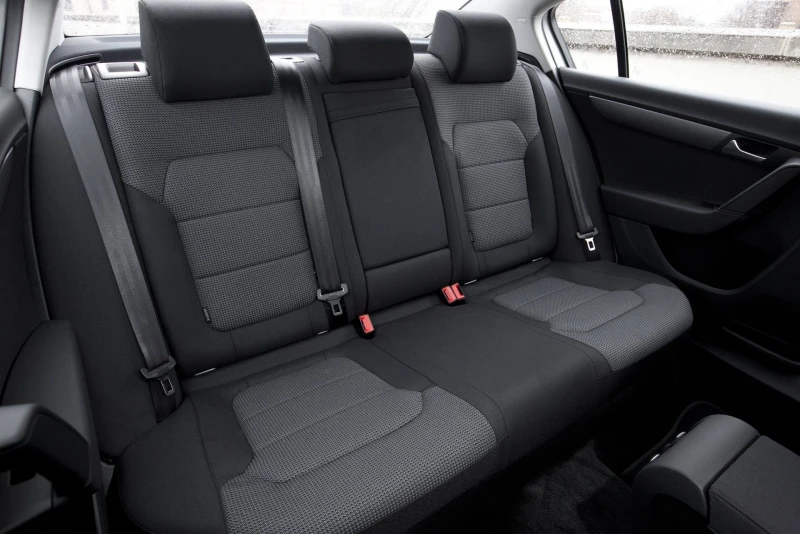
Driver ergonomics are well-executed: the steering wheel offers reach and rake adjustment, seats provide ample range of movement—including lumbar support on upper trims. Front-seat space is generous with shoulder room around 56.9 inches, comfortably accommodating two adults. The rear bench is equally spacious: legroom measures about 39.1 inches, with headroom suitable for passengers up to around 6'2". The center tunnel can slightly intrude for a middle rear passenger.
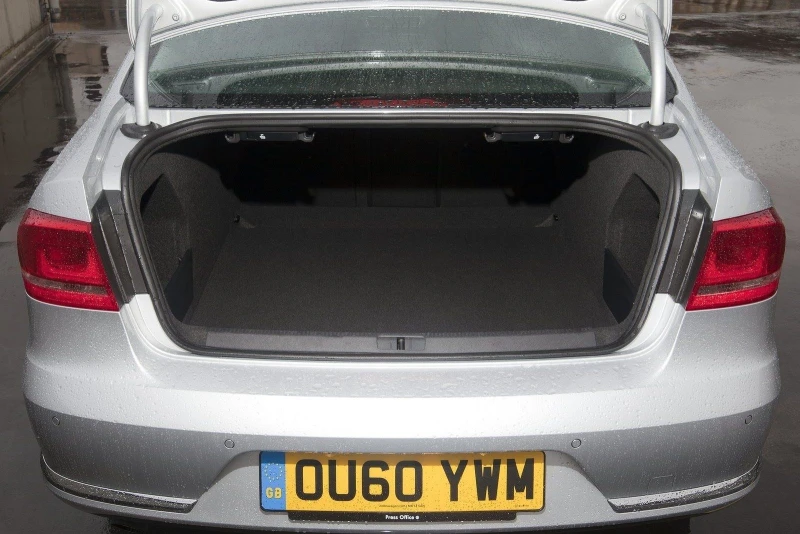
Trunk volume stands at 15.9 cubic feet in the sedan (with the wagon Variant offering more in select markets). Rear seats fold 60/40, creating a nearly flat load floor for versatility. Everyday usability shines thanks to numerous storage cubbies, armrests, and optional cargo-management packages. Overall, the Passat cabin emphasizes functionality, backed by solid sound insulation that keeps road and wind noise low even at highway speeds up to 75 mph.
Trims and Equipment on the US Market
In the US, the Volkswagen Passat VII (often badged as the NMS Passat) appeared in familiar European-inspired trims: base S or Trendline-equivalent, mid-level SE/Comfortline-style, premium SEL/Highline-like, and sporty R-Line or limited editions. These configurations dominate the used market, with many examples originally sold domestically or imported.
The entry-level trim includes cloth upholstery, dual-zone automatic climate control, a basic audio system with CD/MP3 and four speakers, power windows all around, cruise control, and standard safety features like ABS and ESC. Interior finishes lean toward durable plastics with fabric accents.
Mid-grade trims upgrade to better materials: cloth/leatherette combination seats, upgraded infotainment with navigation and larger display, front/rear parking sensors, heated front seats, and a multifunction steering wheel. Dual-zone climate remains, often with rear vents for added comfort.
Higher trims bring luxury touches: full leather or premium upholstery, ventilated seats, optional panoramic sunroof, advanced navigation with hard-drive storage, adaptive cruise control, parking assist, and driver drowsiness detection. Extra packages often include winter features (heated windshield) or sport enhancements (bolstered seats).
US-market examples typically feature suspension tuned for American roads, infotainment supporting local maps and connectivity, and common options like xenon headlights and LED accents on later models.
| Trim Level | Key Interior Features | Common US Options |
| Base / S | Cloth seats, auto climate, basic audio | Parking sensors, cruise control |
| Mid / SE | Cloth/leatherette, upgraded infotainment | Heated seats, multifunction wheel |
| Premium / SEL | Leather, premium audio/nav | Panoramic roof, adaptive cruise, ventilation |
| R-Line / Sport | Sport styling accents, premium materials | LED lights, winter/sport packages |
Interior Changes by Year & Facelift Notes
The Volkswagen Passat VII (a mid-cycle update of the prior model) saw gradual rather than dramatic interior revisions. Updates focused on quality enhancements and technology additions.
Early 2010–2011 models carried forward much of the previous design with refreshed gauges and improved backlighting. Materials stayed consistent, but sound deadening received subtle improvements via extra insulation in doors and floor.
By 2012, efficiency-focused variants introduced greener interior elements (recycled plastics) and better noise control. Infotainment gained Bluetooth and USB integration, while cabin color options expanded from black and beige to include gray tones with wood trim.
From 2013–2015, final refinements arrived: better steering wheel controls, updated infotainment software with improved mapping, and enhanced soundproofing on certain variants. Later used examples generally show fewer rattles and better material preservation—important on the US used market with varied road conditions.
Common Interior Questions & Drawbacks
Owners frequently mention several interior characteristics of the Volkswagen Passat VII. Wear on steering wheel and seats typically appears after 90,000–120,000 miles, especially on fabric versions. Common issues include dashboard and door panel creaks over rough pavement, often tied to early-build tolerances.
Rattles and vibrations tend to emerge around the dash and doors due to road inputs. Rear-seat comfort is solid, though base models lack rear USB ports and heating. Visibility remains strong with large mirrors, but thick pillars can create minor blind spots.
Interior maintenance varies: leather requires conditioning to prevent cracking in extreme temperatures, while fabric can show dirt more readily. On the used market, higher-mileage examples from fleet or ride-share use may exhibit accelerated wear—faded surfaces, odors, etc. Aftermarket parts can sometimes hasten deterioration if not high-quality.
Conclusions & Modern Relevance
In 2026, the Volkswagen Passat VII interior feels classic yet far from dated thanks to its timeless, functional design. It continues to appeal to buyers seeking straightforward comfort without gimmicks, even if it lacks the giant screens and smartphone mirroring common in newer vehicles.
For the US used market, the best value often lies in mid- to upper trims like SE/Comfortline equivalents and SEL/Highline versions: they deliver strong balance of features (navigation, heating) and approximate market prices starting from $7,000–$12,000 for well-maintained examples, depending on mileage and condition. Base models suit budget buyers, while sportier variants add flair for those wanting a bit more character.
When shopping used, carefully inspect the cabin: check seat and plastic wear, listen for creaks during a test drive, verify infotainment functionality (software updates), and look for signs of heavy use (stains, odors). A professional inspection is recommended, considering varied US climates and road conditions that can impact material longevity. Overall, the Passat VII cabin upholds a reputation as a reliable, practical daily driver space.