


The BMW X5 2013–2018 became one of the best-selling luxury SUVs ever, perfectly balancing sporty driving dynamics, everyday comfort and impressive practicality. In this detailed review we look at the key aspects of the third generation, major improvements, current market situation in the United States, and what buyers should pay attention to in 2026.
Introduction
The third generation BMW X5 (F15) was unveiled in 2013 and was produced until 2018 when it was replaced by the fourth generation (G05). The model uses an evolutionary platform from the previous generation but received very serious improvements in aerodynamics, weight reduction and technology. In the United States, strong demand existed for both gasoline and diesel versions (especially during early years).
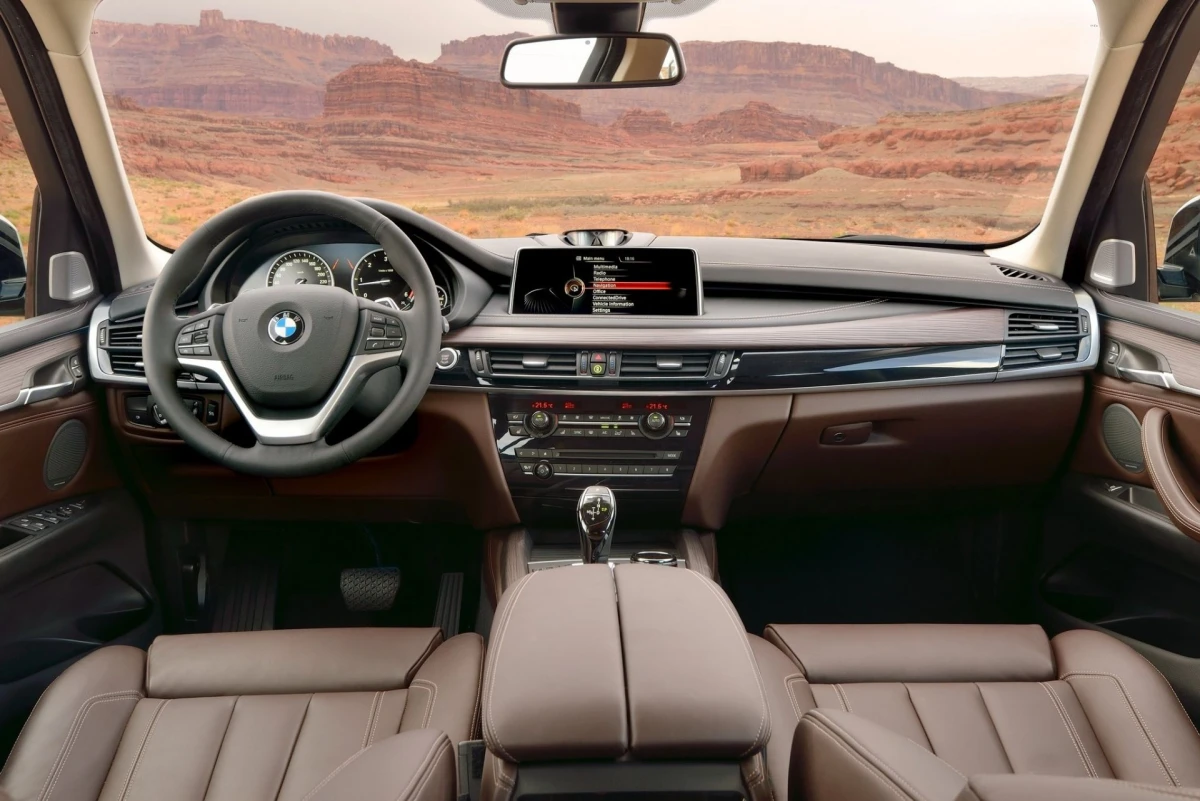
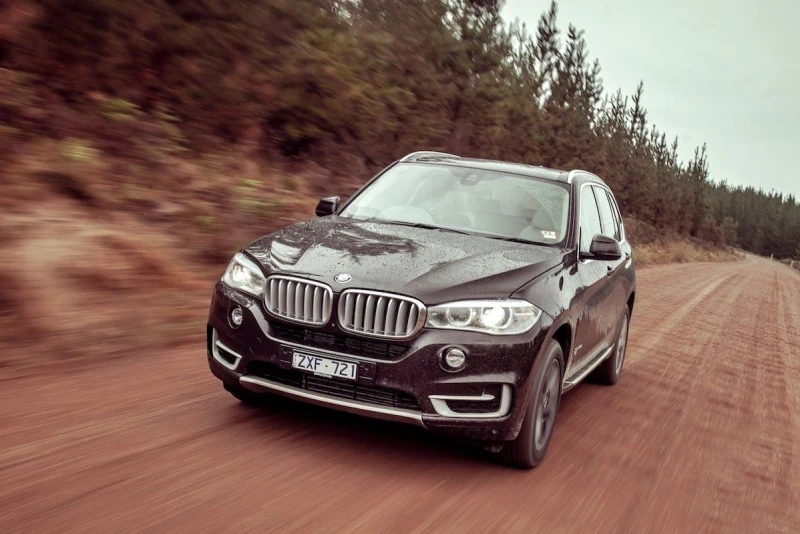
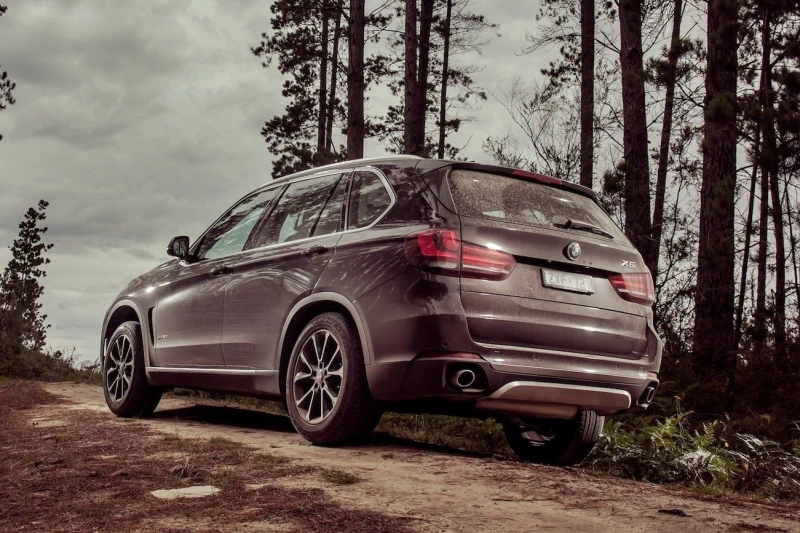
Key exterior design features: more aggressive and sharp styling, signature massive "kidneys", optional full-LED adaptive headlights and very muscular, athletic body lines. Technical foundation includes xDrive all-wheel drive, excellent 8-speed ZF automatic, optional adaptive suspension and very good optional air suspension. Engine range — from efficient 2.0L turbodiesel to mighty 4.4L twin-turbo V8. Interior is focused on true premium feel: high-quality leather, excellent iDrive infotainment with navigation and very spacious 5-seat cabin. Trunk volume — 650–1870 liters. This generation was positioned as an extremely versatile vehicle — excellent both in the city and on long highway trips, with decent light off-road capability thanks to 8.2 inches (209 mm) of ground clearance.
What’s new compared to the previous generation
Compared to the second generation (E70), the F15 X5 received very substantial improvements across almost all areas. Exterior design became significantly more modern and aerodynamic (drag coefficient improved to 0.31). While the platform remained modular, the body was lightened by approximately 330 lbs (150 kg) through extensive use of aluminum and high-strength steels — this gave noticeably better handling and efficiency.
Technology leap forward: much improved iDrive with larger screen (up to 10.25"), optional head-up display, 360° cameras, active cruise control with Stop&Go, dramatically better sound insulation, ventilated seats and optional air suspension. Safety rating — 5 stars. Significant improvements in active safety systems: collision warning, blind spot monitoring, automatic emergency braking and more.
Engines were substantially updated: diesels became even more economical, gasoline engines more powerful. Plug-in hybrid xDrive40e appeared in 2015. Overall — the F15 generation became significantly more technologically advanced, comfortable, quiet and safe while keeping the sporty DNA of previous X5 models.
Current used market situation in the United States
In 2026 the third-generation BMW X5 (F15) remains very popular and highly liquid in the used luxury midsize SUV segment. You can easily find hundreds of listings across the country on platforms like Autotrader, Cars.com, CarGurus etc.
Approximate price range on the used market (early 2026):
$14,000–$19,000 — early 2013–2014 models, higher mileage (140k+ miles), base specifications
$22,000–$29,000 — average condition 2015–2016 models
$30,000–$39,000+ — very clean, low-mileage 2017–2018 restyled examples, especially M Sport and strong engine versions
Most in-demand versions in the US — gasoline turbo models xDrive35i / xDrive40i, as well as very well-preserved diesel xDrive35d. Restyled models (LCI) after 2016 are noticeably more sought after due to updated styling, improved electronics and slightly better interior materials.
Main versions / trim levels commonly found on the US market
In the American market BMW X5 F15 was sold in several main trim lines: base, xLine, Luxury Line, M Sport + very richly equipped Individual versions.
| Trim level | Key features | Main engines | Typical used price range (2026) |
|---|---|---|---|
| sDrive/xDrive base | Leatherette or basic leather, dual-zone climate, 8.8–10.25" iDrive, xenon/LED | xDrive35i, xDrive35d | $14,000–$21,000 |
| xLine / Premium | Leather, panoramic roof, heated seats, rear-view camera, premium audio | xDrive35i, xDrive40i, xDrive35d | $21,000–$29,000 |
| Luxury Line | Premium leather & wood/aluminum trim, 3-zone climate, head-up display, Harman Kardon | xDrive50i, xDrive40i | $27,000–$36,000 |
| M Sport / Top | Sport seats, M aerodynamic kit, adaptive suspension, 360° cameras, 20–21" wheels | xDrive50i, M50d (rare) | $32,000–$43,000+ |
Most popular options in the US: panoramic roof, ventilated seats, premium audio systems, advanced driver assistance packages. Plug-in hybrid xDrive40e is relatively rare but very interesting for people who do mostly city driving.
Bottom line
The third-generation BMW X5 is an excellent choice for families who want genuine premium feel, very good driving dynamics, spacious and comfortable interior and status of an iconic luxury brand. In 2026 it still offers one of the best price-to-quality ratios in the entire used luxury SUV segment.
Key points to check when buying: complete service history (maintenance every 7–10k miles), real mileage, condition of air suspension (if present), oil leaks (especially N63 V8), timing chain (N20/N55 engines), overall electronics condition. Strongly preferred — well-maintained 2016+ LCI facelift models with gasoline turbo engines or very good diesel versions.