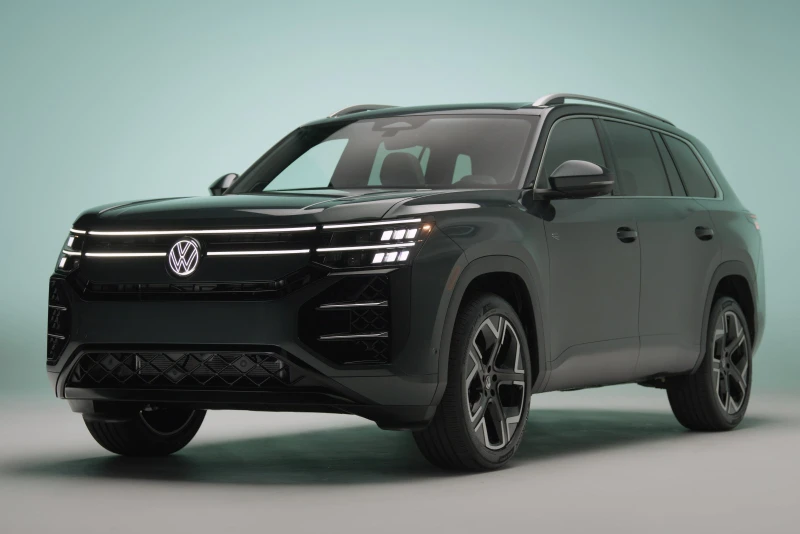
The electric crossover was considered one of the brand’s key products and was expected to strengthen Volkswagen’s position in the EV segment. However, its actual market performance fell short of expectations.
The Model’s Role in the Market
The ID.4 was originally positioned as a mainstream electric vehicle capable of attracting a broad range of buyers. Local production in the United States provided an additional advantage by reducing logistics costs and helping the model meet domestic sourcing requirements.
Given the size of the U.S. automotive market and the popularity of crossovers, the model appeared to have favorable conditions for sales growth.
Declining Demand
Despite these advantages, demand for the ID.4 proved inconsistent. Government incentives had been one of the factors supporting EV sales. As this financial support was reduced, consumer interest in the model declined significantly.
During one of the latest reporting periods, sales fell by more than 60%. The model’s total annual volume also remained relatively low for a vehicle competing in such a major segment.
- sharp sales decline following reductions in incentives
- limited interest among potential buyers
- weak performance compared with competing models
A Change in Strategy
Volkswagen subsequently decided to reallocate its production resources. The available capacity is expected to be used for models with conventional powertrains that currently attract stronger demand.
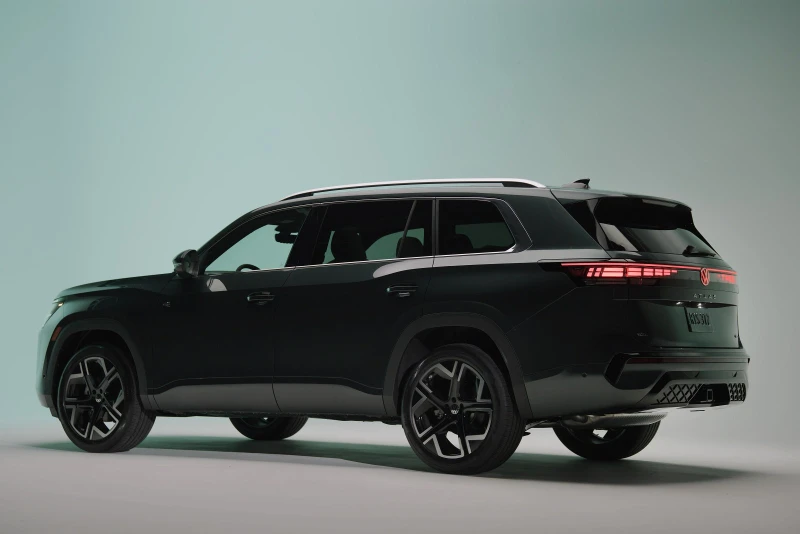
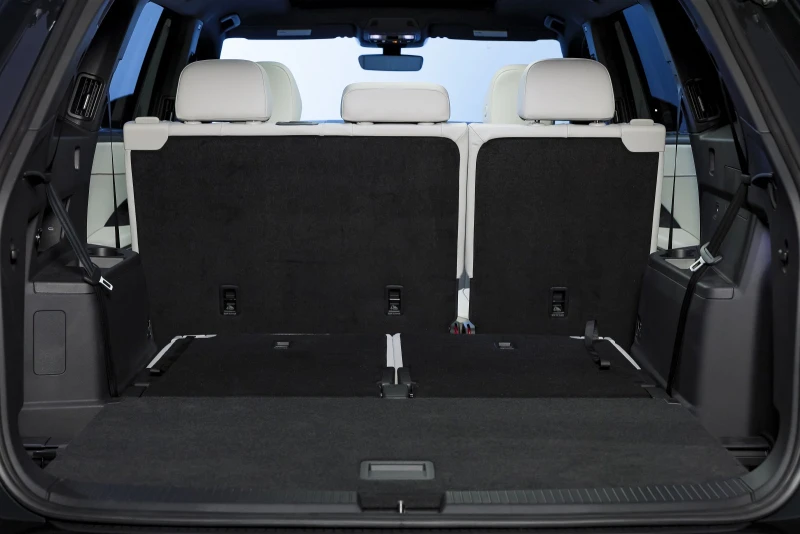
The company is placing greater emphasis on larger crossovers developed for the U.S. market, where demand for gasoline-powered vehicles remains substantial.
Comparison With Conventional Alternatives
Sales of conventional models remain significantly higher than those of electric vehicles in this segment. This suggests that many U.S. buyers continue to favor established vehicle formats, particularly in the large SUV category.
Even with local production and an expanding charging network, the electric vehicle market remains sensitive to financial incentives and broader economic conditions.
Implications for the Industry
The ID.4 situation demonstrates that EV performance can depend heavily on external factors, including government support. Without additional incentives, demand may weaken, particularly in highly competitive market segments.
Automakers must account for these conditions and adjust their strategies accordingly, balancing investment between electric vehicles and models powered by conventional engines.
Conclusion
The decision to end ID.4 sales in the United States reflects current market conditions, in which some electric vehicles struggle to maintain demand without government support. Volkswagen’s move highlights the need to reassess production priorities and take a more measured approach to EV expansion.
The segment’s future development will depend on a combination of technological progress, pricing strategies and charging infrastructure.