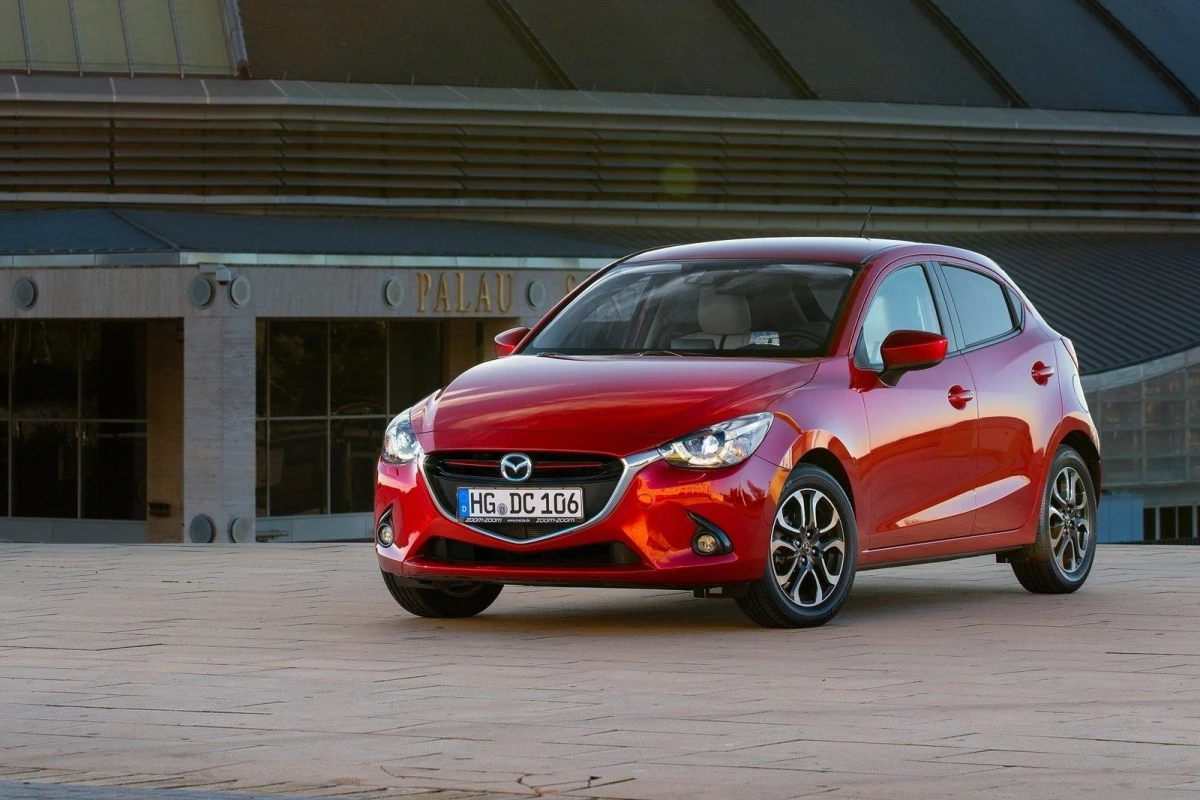



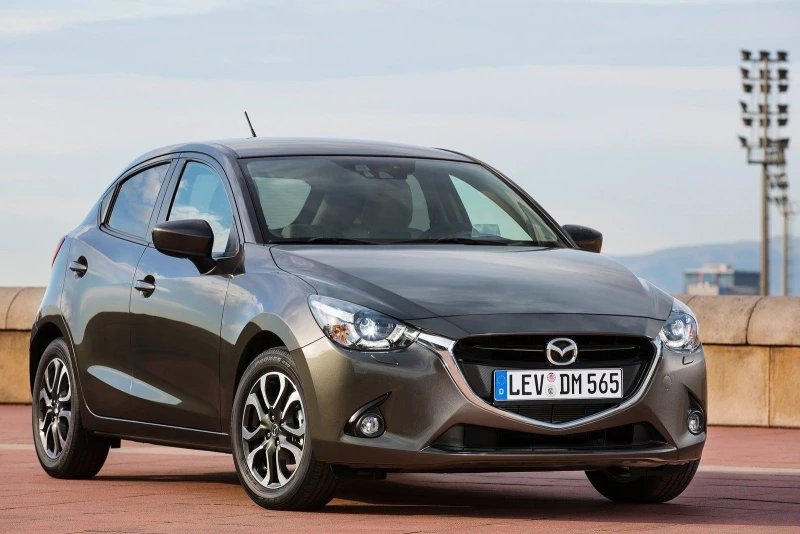
While many buyers these days gravitate toward crossovers, this model appeals to those who prioritize sharp handling, low ownership costs, and genuine driving enjoyment on every trip, whether around town or on the highway. Approximate market prices for 2016–2018 models with 50,000–90,000 miles typically range from $8,500 to $15,000 depending on trim and condition. This positions it competitively against similarly aged compact hatchbacks like the Toyota Yaris or Honda Fit.
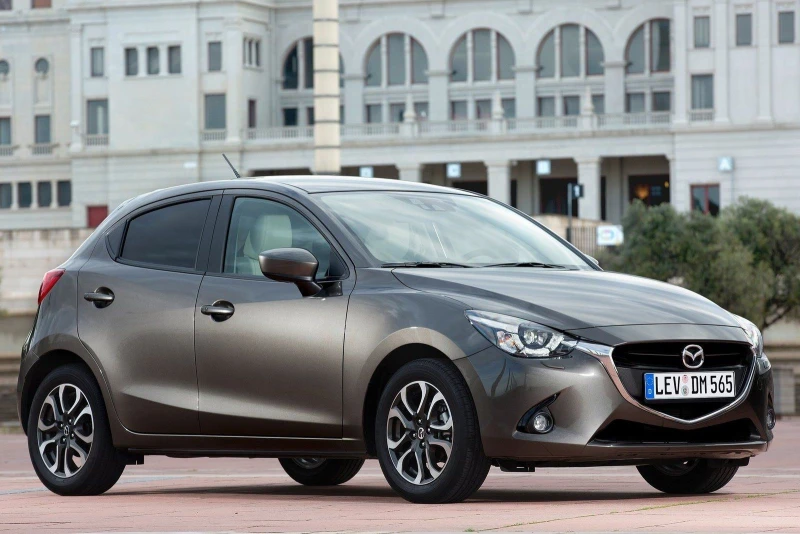
How the New Generation Changed Mazda’s Approach to the Compact Class
The previous generation (DE) was practical and reliable, but somewhat conservative in character. The DJ generation represented a real breakthrough thanks to Skyactiv technology: a lighter body, new high-compression engines, and a retuned suspension. In real-world driving, this translated into noticeably more agile handling and better efficiency without giving up performance. On the US used market, the model quickly found its audience among drivers who spend most of their time in the city but occasionally head out on longer Interstate trips.
The Kodo design language made the car look more vibrant and contemporary. Even today it appears fresh in supermarket parking lots and urban streets, blending in well with newer models. Its compact size — approximately 160 inches in length — is perfect for tight city streets and crowded parking garages, while 5.3–5.5 inches of ground clearance lets you tackle speed bumps or rough patches without worry.
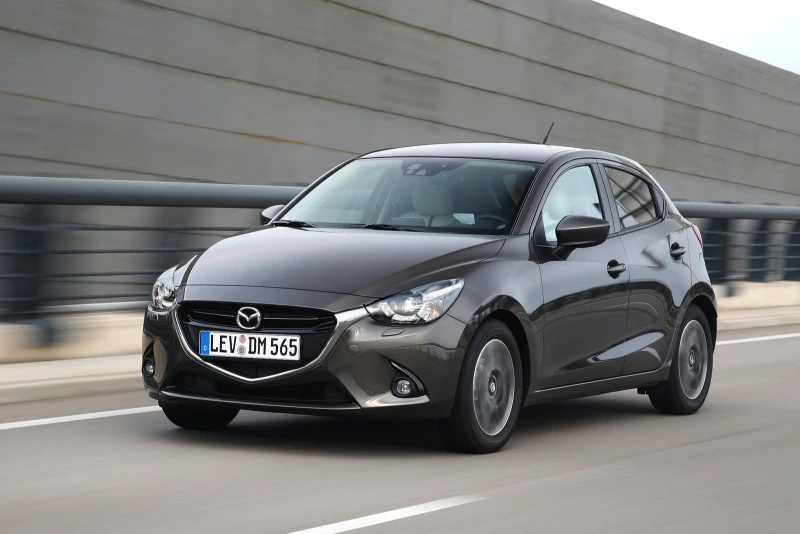
Common Trims and Configurations US Buyers Encounter
Gasoline versions with the 1.5-liter Skyactiv-G engine dominate the used market, available in 90-hp and 115-hp variants depending on the original specification and year. The most common setup pairs the 90-horsepower engine with a 6-speed automatic transmission. It delivers smooth acceleration and comfort in traffic, with real-world combined fuel economy reported by owners typically in the 31–38 mpg range.
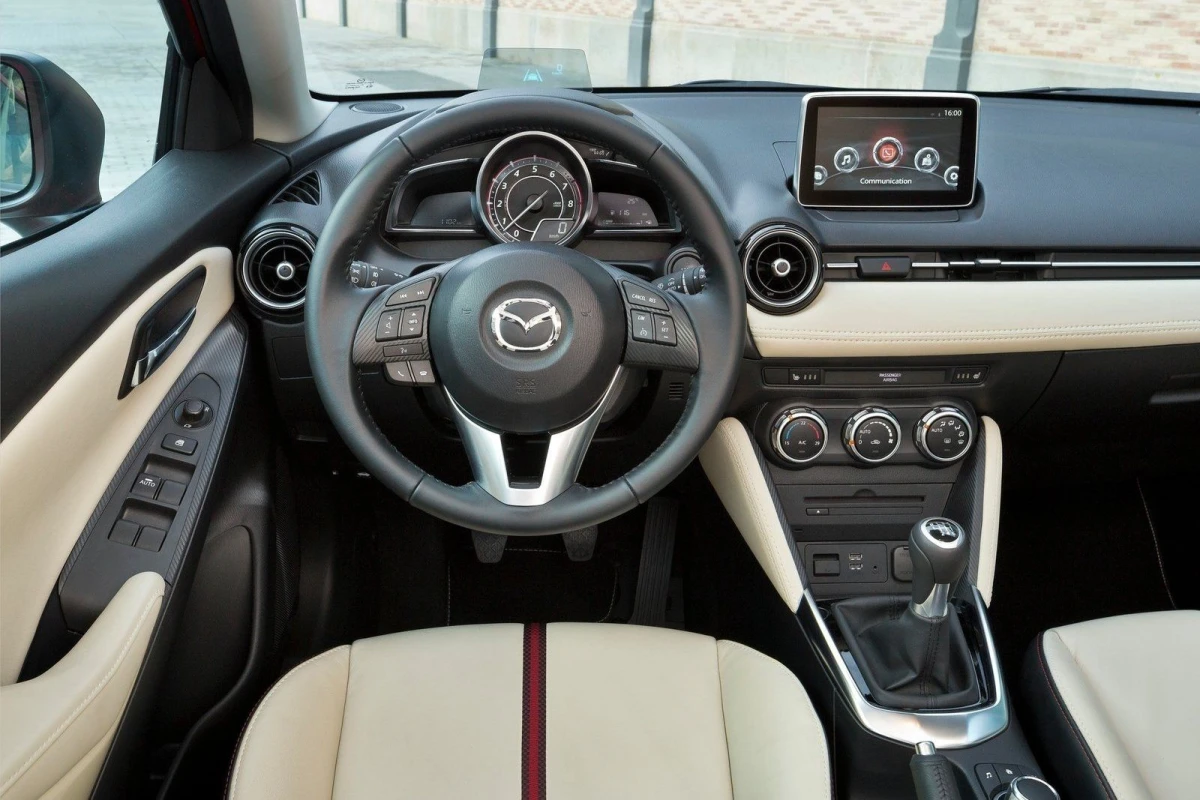
Manual transmissions are less common but often found in base trims and are preferred by those who want maximum engagement. All-wheel drive was never offered — the model is exclusively front-wheel drive. Higher trims such as Executive or GT added leather upholstery, a rearview camera, keyless entry, and an upgraded sound system. Heated front seats and a heated steering wheel, available from mid-level trims, prove especially useful during cold winter months in many parts of the US.
What to Check During a Pre-Purchase Inspection
When shopping used, service history is critical — preferably complete records. Skyactiv engines are sensitive to oil and fuel quality, so maintenance intervals should not have exceeded roughly 6,000–7,500 miles. The Skyactiv-Drive automatic is dependable when the transmission fluid is changed every 35,000–40,000 miles. The body is galvanized, but the paint is thin, so stone chips on the hood and front fenders are typical on cars that have lived on US roads.
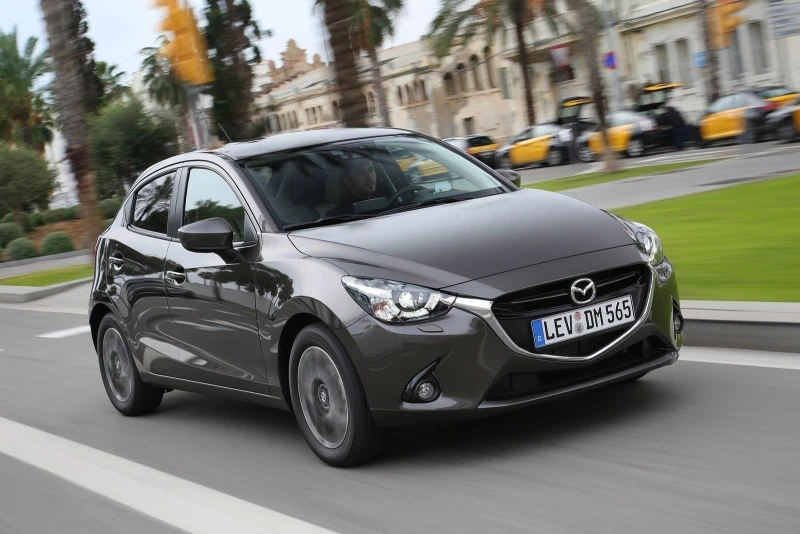
Real-World Driving Experience: Where the Mazda 2 IV Shines
In city driving the Mazda 2 IV feels alert and engaging, with precise steering, limited body roll, and excellent road feedback. The firm suspension helps it handle speed bumps and uneven surfaces without drama. On the highway at 70–80 mph the cabin stays reasonably quiet, though some road noise from the tires is noticeable on coarser asphalt.
The trunk provides around 10 cubic feet of space (expanding to approximately 33.5 cubic feet with the rear seats folded), which handles daily needs like grocery runs or weekend bags. The rear seat is comfortable for two adults, though three will be a bit tight. The interior feels solidly built with hard-wearing materials, and the heated seats and wheel are a blessing in cold weather.
Maintenance costs remain manageable. Parts — both factory and quality aftermarket — are readily available from dealerships, national auto parts retailers, and online sources. Strong fuel economy and low servicing expenses keep long-term running costs reasonable. Many owners report that properly maintained examples stay reliable and enjoyable well beyond 60,000–90,000 miles.
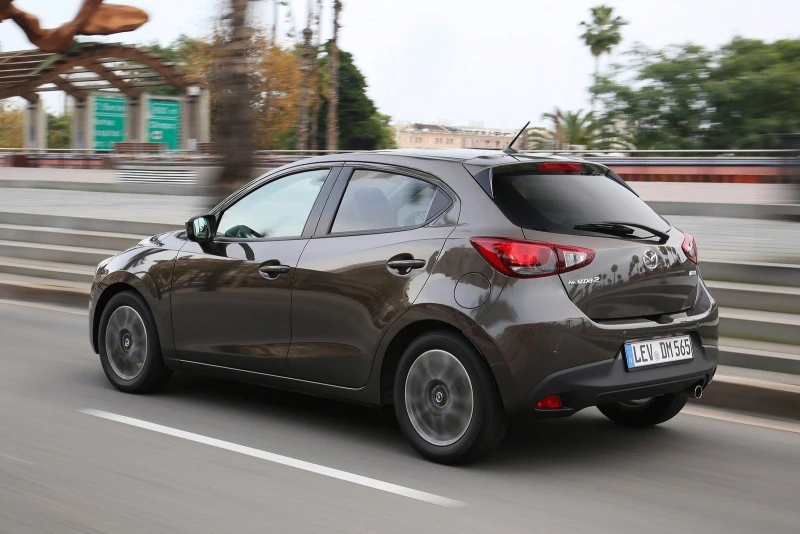
Why the Mazda 2 IV (DJ) Is Still Worth Considering in 2026
The Mazda 2 IV (DJ) is more than a basic city car — it’s a compact hatchback that delivers greater driving pleasure than most competitors in its class. On the US used market it remains popular thanks to its blend of contemporary equipment, efficiency, and engaging personality. For anyone looking for a compact, dependable, and fun-to-drive daily vehicle without the higher price of a crossover, the fourth generation represents one of the smartest options in the sub-$15,000 range.
The optimal choice for most buyers is a 2016–2018 model with the 90-hp 1.5-liter engine and automatic transmission in Comfort or Executive trim. These typically fall in the $10,000–$13,500 price bracket while offering a good balance of features and comfort. The most important step is a thorough pre-purchase inspection and understanding the true condition of any specific example. When you find the right one, the Mazda 2 IV (DJ) will provide years of reliable, enjoyable service on American roads.