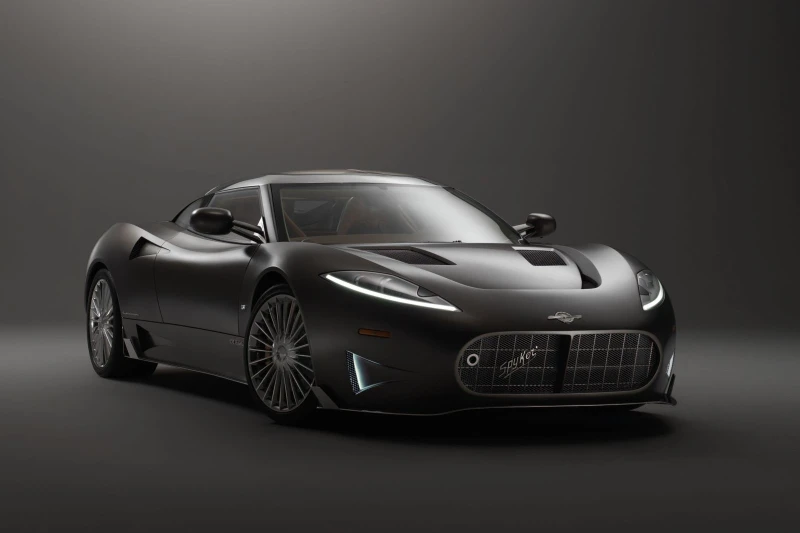
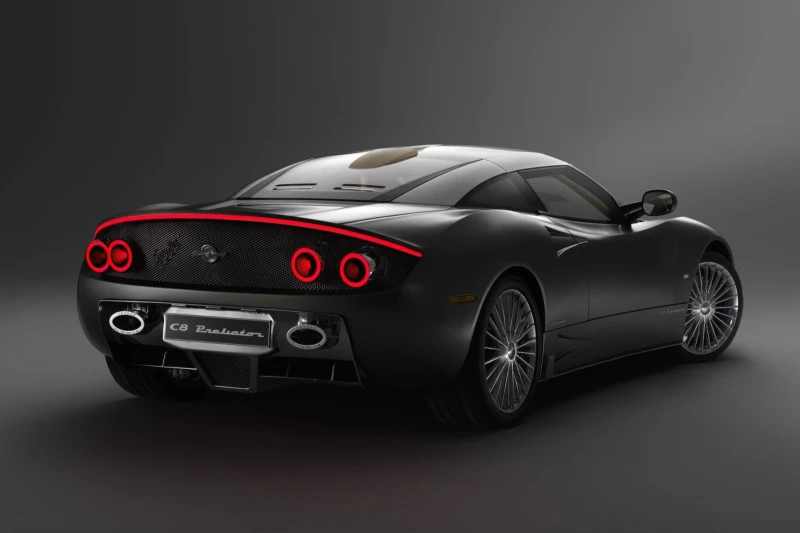
The company, having endured multiple bankruptcies, is preparing another return to the market. This new chapter involves the release of an updated C8 Preliator coupe. Brand leadership is committing to traditional technologies and forgoing electrification. This step reflects the intent to preserve the unique character of the vehicles and continue development in the niche of exclusive sports models.
A History Marked by Interruptions
Spyker traces its history to the late 19th century. Initially focused on carriage production, the company later transitioned to automobiles. The first Spyker car was presented in 1899. Production ceased in the 1920s due to financial difficulties, with fewer than two thousand vehicles built in that era.
In the late 20th century the marque was revived by entrepreneur Victor Muller. In 1999 he brought Spyker back, presenting a contemporary interpretation of the brand. A key model was the C8 sports car with a V8 engine. Despite limited volumes, the cars attracted attention thanks to their original design and unconventional engineering solutions.
Expansion Efforts and New Challenges
In the mid-2000s the company attempted to reach a new level. Investments were directed toward motorsport, including Formula 1 participation, and an effort was made to save the Saab brand from bankruptcy. These projects turned out to be too costly and did not yield the expected results.
Subsequently Spyker again faced financial problems. Despite restructuring attempts and the launch of new models, including the C8 Preliator in 2015, series production remained limited. Several years ago the company again declared bankruptcy, but soon after came another announcement of its return.
New Chapter: Emphasis on Traditional Solutions
The latest revival attempt is tied to an updated version of the C8 Preliator. According to preliminary information, the car will receive a gasoline V8 engine with twin turbochargers producing approximately 800 hp. Top speed may reach around 350 km/h.
A key feature of the project is the rejection of any form of electrification. The manufacturer does not plan to use hybrid systems or electric components, focusing on a traditional powertrain architecture.
- Engine: gasoline twin-turbo V8
- Power output: approximately 800 hp
- Top speed: up to 350 km/h
- Drivetrain: conventional layout without electric assistance
Production and Positioning
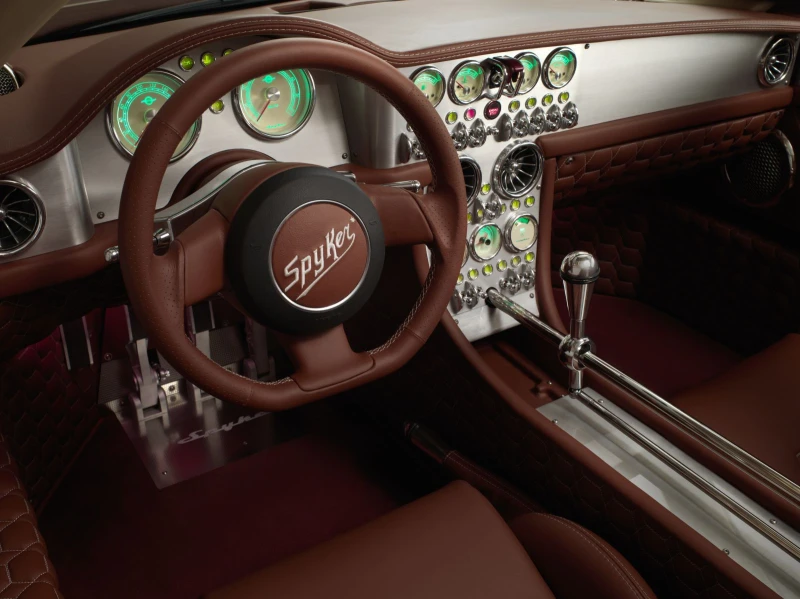
Vehicle assembly is planned in the United Kingdom, after which the cars will be sent to the Netherlands for painting and final assembly. This approach emphasizes the exclusivity of the project and limited production volumes.
Throughout its modern history Spyker has produced fewer than three hundred automobiles. The new model will continue this tradition of limited series oriented toward a narrow circle of buyers.
Conclusion
Spyker remains an example of a brand that continues to exist despite a complex financial history. The new market entry attempt is based on preserving traditional engineering solutions and product exclusivity. The project's prospects remain uncertain, however the strategy itself emphasizes the marque's desire to maintain its identity and niche status.