According to works council representatives, the scale of the cuts could be significantly greater than previously expected, with discussions involving the elimination of up to 140,000 jobs and the possible closure of several factories.
Broad Lineup Failed to Deliver Expected Sales
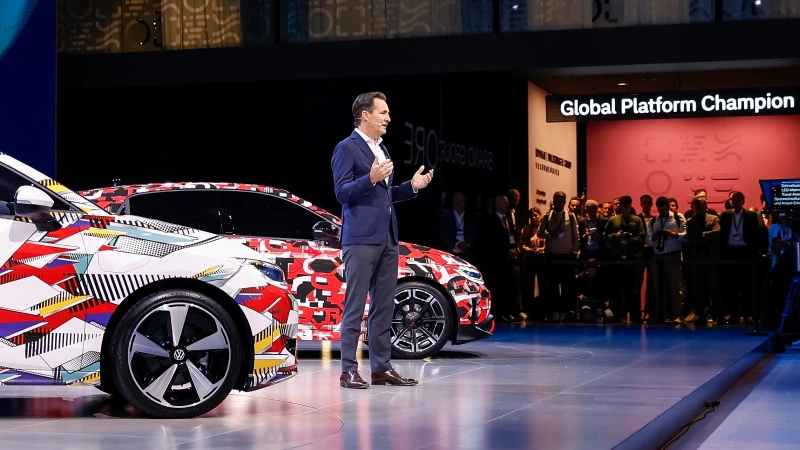
By mid-2026, the group had assembled one of the largest electric vehicle lineups among global automakers. Dozens of models and variants are offered under the Volkswagen, Audi, Skoda, Porsche, and Cupra brands. Some vehicles were developed specifically for China, Europe, or North America, further increasing production, certification, logistics, and marketing costs.
During the first six months of 2026, Volkswagen Group sold approximately 438,500 electric vehicles worldwide. However, results were considerably weaker in the two largest automotive markets, with about 30,900 vehicles sold in China and roughly 9,800 in North America.
By comparison, the gasoline-powered Volkswagen Polo alone attracted more than 44,000 buyers in Europe during the same period. However, traditional models could also be affected by the cuts, as the group intends to reduce the overall number of vehicles in its lineup and simplify its manufacturing structure.
Which Factories Could Close
Earlier discussions mentioned cutting between 50,000 and 100,000 employees. The works council is now reporting a scenario in which the number of eliminated positions could rise to 140,000. The final figure will depend on how many facilities cease operations or substantially reduce production volumes.
Factories in Hanover, Zwickau, Emden, and Neckarsulm have been named as possible candidates. These sites produce vehicles and components for various group brands, meaning their closure would affect not only direct employees but also suppliers, logistics companies, and service operations.
Negotiations With Employee Representatives
Volkswagen management will need to coordinate its next steps with the works council and labor unions. Key issues will include the timing of the cuts, severance payments, voluntary departure options, employee transfers to other plants, and the continuation of individual production programs.
At the same time, the group must decide which models will remain in its lineup. Workforce reductions alone may not be enough if factories continue producing large numbers of technically similar vehicles in limited volumes.
Summary
Volkswagen is facing a major business restructuring. The potential elimination of up to 140,000 jobs is linked not only to current costs but also to the need to reassess its model strategy, factory utilization, and regional presence. Final decisions will depend on negotiations between management and employee representatives, as well as future developments in the global automotive market.