


Despite a growing selection of models and rising sales for some brands, many drivers still consider gasoline-powered cars and hybrids more convenient for everyday use.
Key Reasons Drivers Are Rejecting EVs
A study conducted by automotive marketplace CarSales identified two major barriers to switching to electric power. About 41% of participants cited an insufficient number of public charging stations, while nearly 40% were dissatisfied with the range offered by current models.
These limitations are especially noticeable in Australia, where distances between cities can be substantial and charging infrastructure density varies widely by region. An EV can remain a practical option for city driving, but longer trips require advance planning for charging stops and the time needed to replenish the battery.
Drivers’ Plans Have Changed
Only 26% of survey participants said they might use a fully electric vehicle after 2035. Compared with the previous study, that figure fell by 10 percentage points.
At the same time, interest in vehicles with internal combustion engines has increased. About 22% of respondents previously preferred this option, compared with nearly 30% now. This category includes not only conventional gasoline and diesel models, but also hybrids capable of covering long distances without lengthy charging stops.
Why Hybrids Remain Popular
Hybrid vehicles offer some of the benefits of electric propulsion without relying exclusively on charging infrastructure. In conventional hybrids, the battery is replenished while driving and braking, while plug-in hybrids can be charged from an external power source. Once the battery is depleted, the vehicle can continue traveling using its gasoline engine.
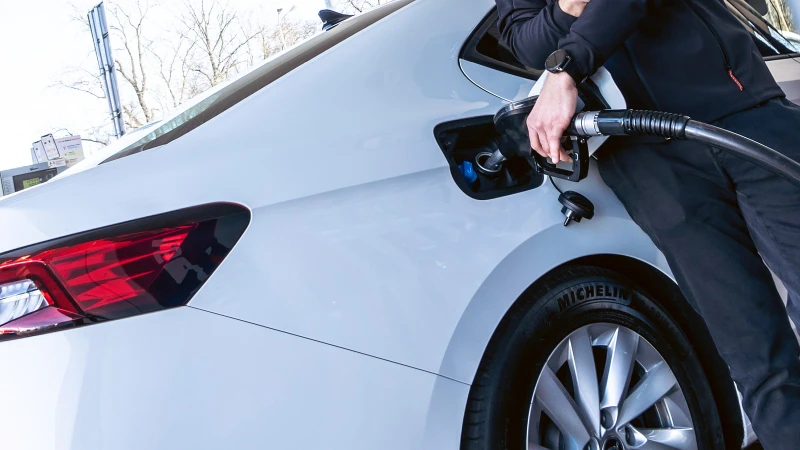
This setup suits drivers who frequently travel around cities but occasionally take longer trips. It also allows them to use the existing network of gas stations without significantly changing how they operate their vehicles.
Sales Are Growing, but Demand Is Shifting
Australia’s EV market continues to expand, partly due to affordable models from Chinese manufacturers. However, electric vehicles are often purchased as a second car for short daily trips, while owners retain a gasoline-powered or hybrid model for vacations and intercity travel.
Conclusion
The Australian study points to a widening gap between the growing availability of EVs and drivers’ willingness to abandon conventional powertrains entirely. Charging infrastructure, driving range, and the practicality of long-distance travel remain the main concerns. As a result, electric, hybrid, and gasoline-powered vehicles will likely continue to develop alongside one another in the market over the next several years.