


The automaker is emphasizing the powertrain's high efficiency and says it outperforms engines used in current Mercedes models in several areas. These claims are based on manufacturer data and have yet to be independently verified, but they illustrate how quickly Chinese brands are adopting technologies once considered a strength of the European auto industry.
New Gasoline Engine
The hybrid system is built around a turbocharged 1.5-liter gasoline engine producing up to 148 PS (146 hp). According to Changan, the engine's main advantage is a thermal efficiency of 44.28%. This figure represents the share of the fuel's energy converted into useful work.
To reduce fuel consumption, the engine features direct injection operating at 500 bar (about 7,250 psi) and an exhaust gas recirculation system. Around 30% of the exhaust gases are routed back into the intake. This approach helps manage combustion temperatures, reduce energy losses, and lower harmful emissions.
Electric Side of the Hybrid System
The powertrain also includes an electric motor rated at 241 PS (238 hp). Changan claims the electric drive operates at 98.1% efficiency. In other words, nearly all the energy supplied to it is used to propel the vehicle, with heat and internal component losses kept to a minimum.
Changan has not yet disclosed the full operating layout of the gasoline engine and electric motor. Their power figures therefore cannot simply be added together, as total system output depends on the transmission design, battery specifications, and control software.
Crossover Fuel Economy and Dimensions
Preliminary data suggests the CS55 Plus could use around 3 liters of gasoline per 100 kilometers in city driving, equivalent to approximately 78 mpg US. Independent testing has not yet confirmed this figure, and it has not been included in the final specifications. Real-world fuel economy will depend on ambient temperature, battery charge level, speed, and driving conditions.
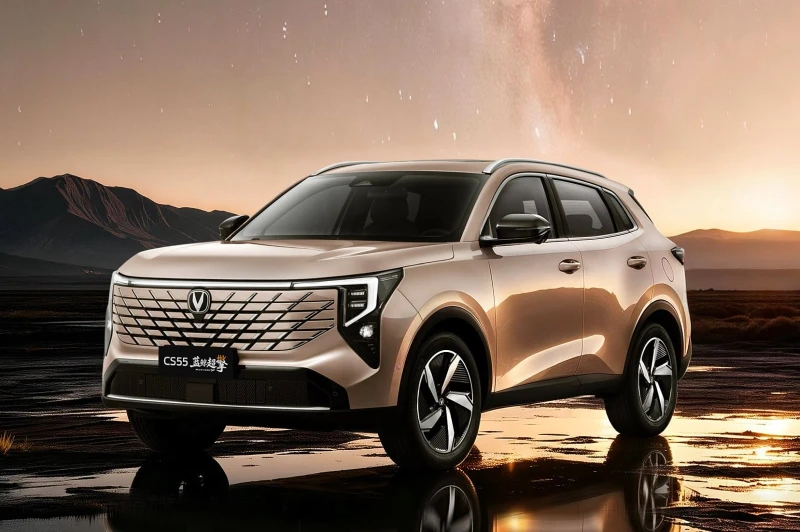
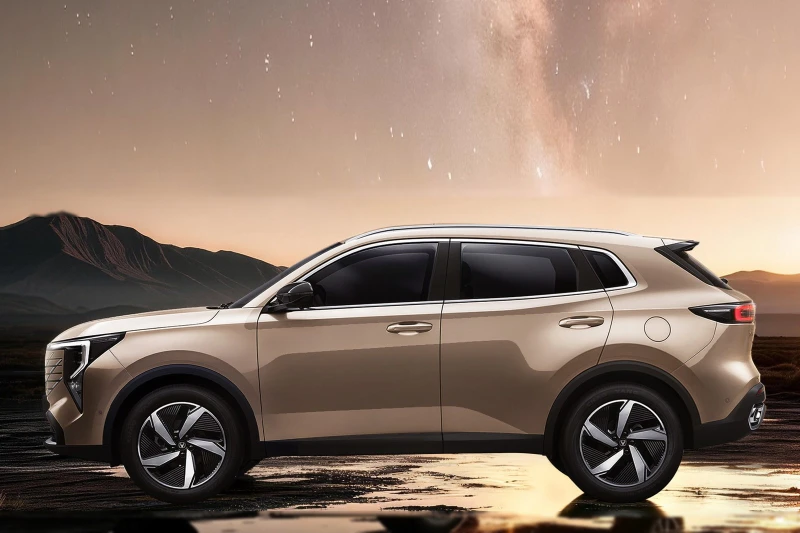
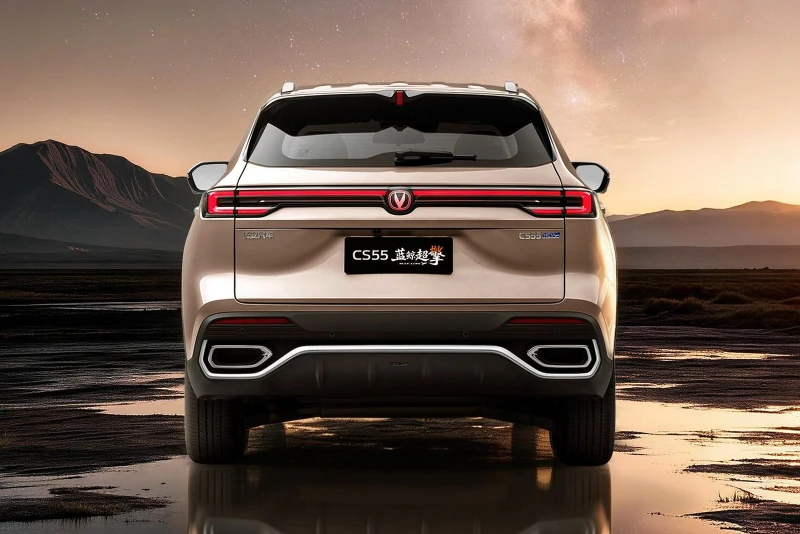
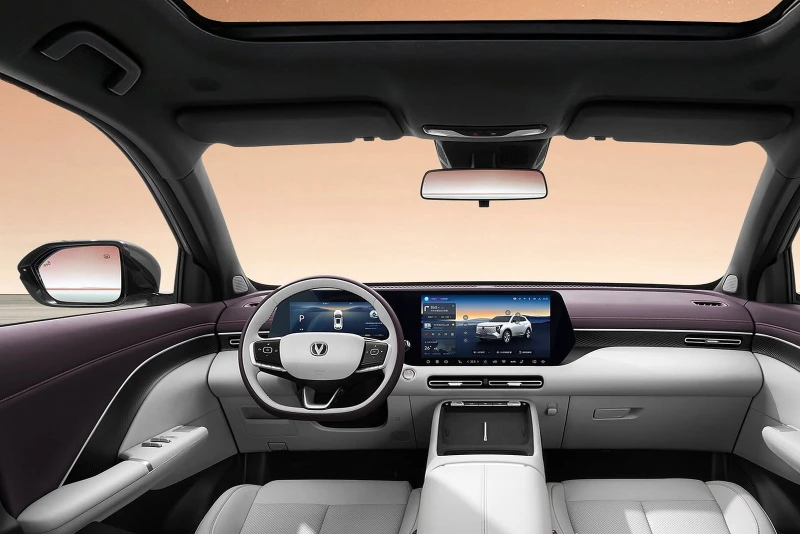
The new CS55 Plus belongs to the compact family crossover segment. It measures 179.1 inches (4.55 meters) long, 73.5 inches (1.868 meters) wide, and 65.9 inches (1.675 meters) tall. Its wheelbase is 104.6 inches (2.656 meters), suggesting a relatively spacious cabin despite its moderate exterior dimensions.
What the Mercedes Comparison Means
Changan's statement extends beyond the specifications of a single engine. Chinese automakers are competing more confidently with European companies in the development of hybrid systems, electronics, and efficient gasoline engines. The use of Chinese-sourced powertrains in some new models from European brands provides additional context for the comparison.
Definitive conclusions about the CS55 Plus will have to wait until full specifications are published and independent testing is completed. For now, the new model highlights key trends in China's auto industry: improving engine efficiency, expanding the use of hybrid technology, and reducing fuel consumption without abandoning the gasoline engine entirely.