Demand for these models is growing thanks to their relatively simple design, moderate operating costs, and long driving range. Sales figures from the Czech Republic and Germany show that LPG remains a popular alternative to electric vehicles and more complex hybrid systems.
LPG Models Account for Half of Dacia Sales
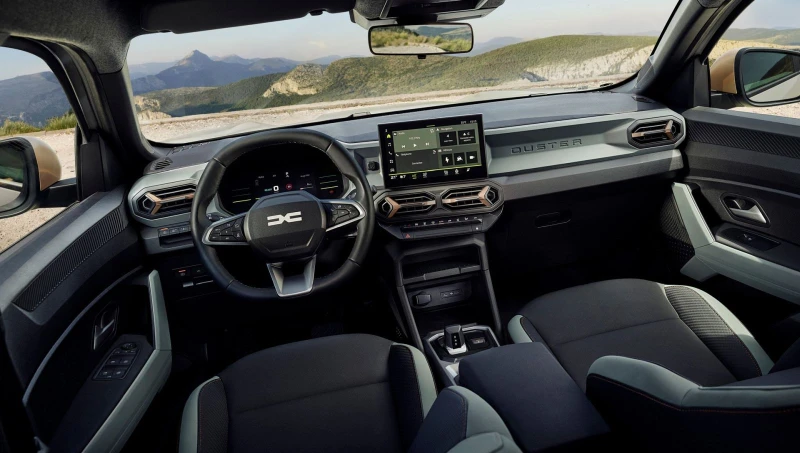
During the first seven months of 2026, 6,101 new Dacia vehicles were registered in the Czech market. Only 63 were fully electric, while 3,043 featured a bi-fuel system capable of running on gasoline or LPG. As a result, LPG variants accounted for nearly half of the brand’s local sales.
For comparison, Škoda sold 3,411 electric vehicles in the Czech Republic during the same period. They represented about 6% of the company’s total sales. Although these figures cover different vehicle categories, they reflect buyers’ interest in affordable cars with low operating costs.
Dacia Faces Almost No Competition
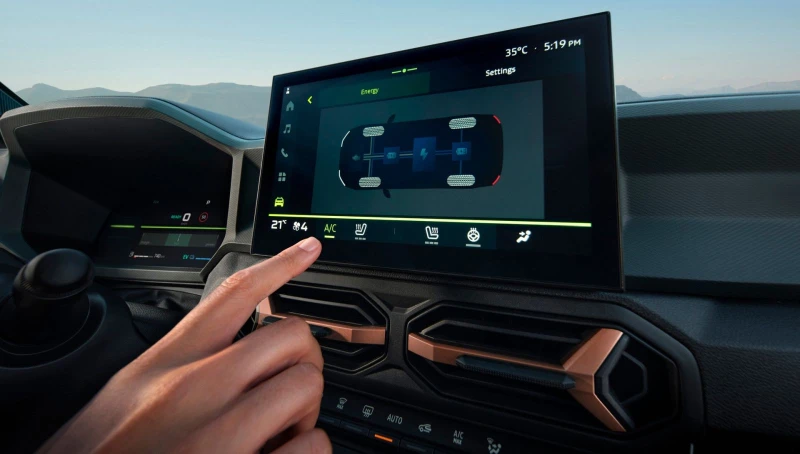
A similar trend can be seen in Germany. About 1,700 new LPG vehicles were sold there in July, a 50% increase from a year earlier. Dacia models accounted for 98% of registrations in the segment. LPG variants also increased their share of the brand’s own sales from 15% to 29% over the year.
Renault, which belongs to the same automotive group as Dacia, remains one of the few other notable suppliers of such vehicles in the Czech Republic. However, the French brand’s result was significantly lower, with 154 registered vehicles. Most other manufacturers have largely discontinued factory-built LPG variants.
The Economics of Running on LPG
Liquefied petroleum gas has a lower energy density, so consumption is typically about 15% higher than with gasoline. The difference is offset by fuel prices: depending on the country and period, LPG can cost 40–50% less than gasoline. Travel expenses therefore remain lower despite the higher consumption.
An LPG system can also help reduce calculated carbon dioxide emissions. For example, the LPG-powered Dacia Bigster is rated at 115 grams of CO₂ per kilometer (6.5 ounces per mile). Some comparable crossovers with mild-hybrid systems can reach 139 grams per kilometer (7.9 ounces per mile).
Two Fuel Tanks and an Extended Driving Range
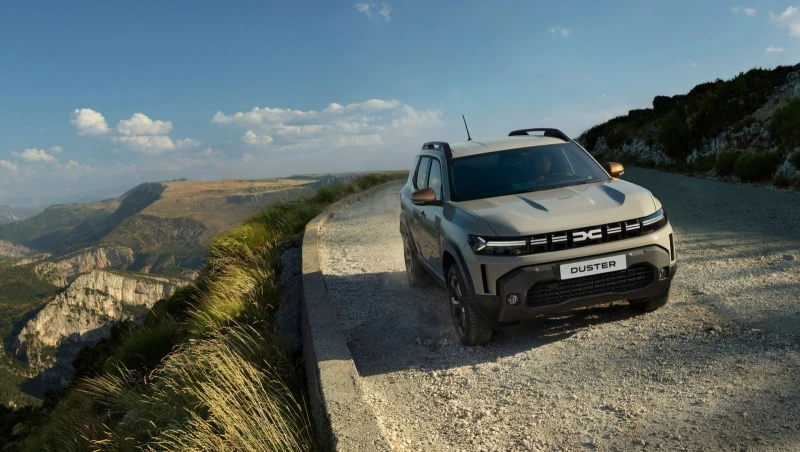
Dacia LPG vehicles retain separate tanks for gas and gasoline. The LPG tank is usually installed in the spare-wheel well, so it has little effect on cargo capacity. When the LPG supply runs out, the engine automatically switches to gasoline, eliminating the need to find a filling station immediately.
Using two fuels significantly extends the vehicle’s driving range. The Dacia Bigster has a rated range of up to 973 miles (1,566 kilometers) with both tanks full. Actual range depends on speed, vehicle load, temperature, and road conditions.
Conclusion
Dacia has secured an almost uncontested niche in the market for factory-built LPG vehicles. Its simple bi-fuel system combines the familiar operation of a gasoline-powered car with extended driving range and lower fuel costs. Rising registrations in the Czech Republic and Germany confirm sustained demand for this type of vehicle.