The cabin of the 2006–2012 Toyota RAV4 blends clean, functional design with the kind of durability that defined compact crossovers of that era. This review covers the key interior elements—materials, ergonomics, and trim packages—tailored to the US market. Even today, the RAV4 III cabin holds up well on the used market thanks to its solid build and versatile layout.
Overall Cabin Overview
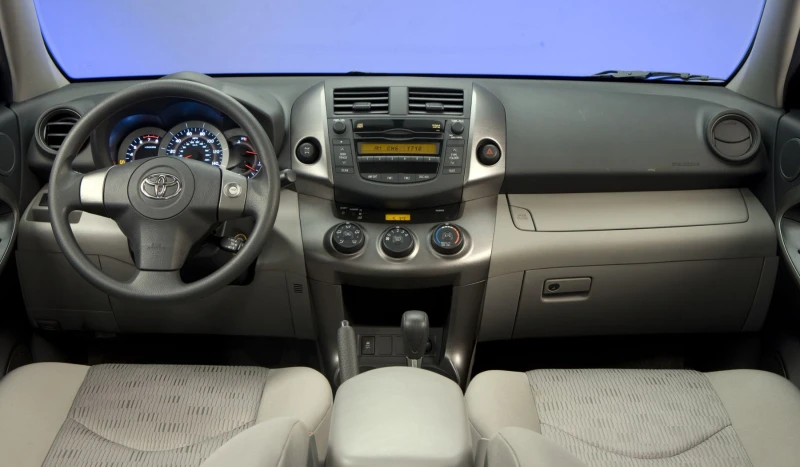
The interior of the third-generation RAV4 follows classic early-2000s Japanese crossover styling: simple, uncluttered, and built to last. Most surfaces feature hard-wearing plastic on the dashboard, door panels, and center console. While the plastics feel sturdy and resist heavy wear, they come across as basic next to more upscale rivals of the time. Higher trims add aluminum-look or woodgrain accents for a touch of visual warmth, though the overall vibe remains practical rather than luxurious.
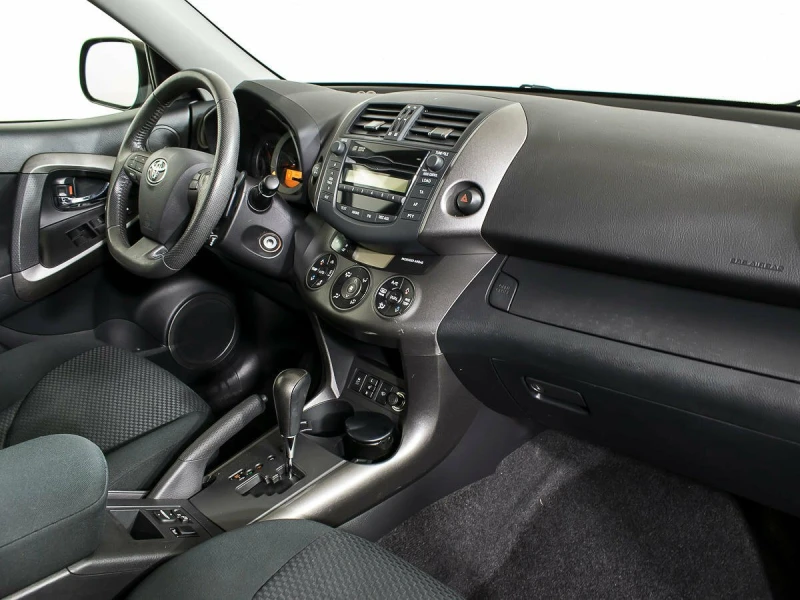
The instrument panel is straightforward and easy to read, with clear analog gauges. The center stack houses climate controls and the audio system in a logical layout. Driver ergonomics are strong: the steering wheel adjusts for height (and reach in many versions), front seats offer ample adjustment range, and all major controls fall naturally to hand. Front passengers enjoy generous head- and legroom, plus decent side bolstering for cornering.
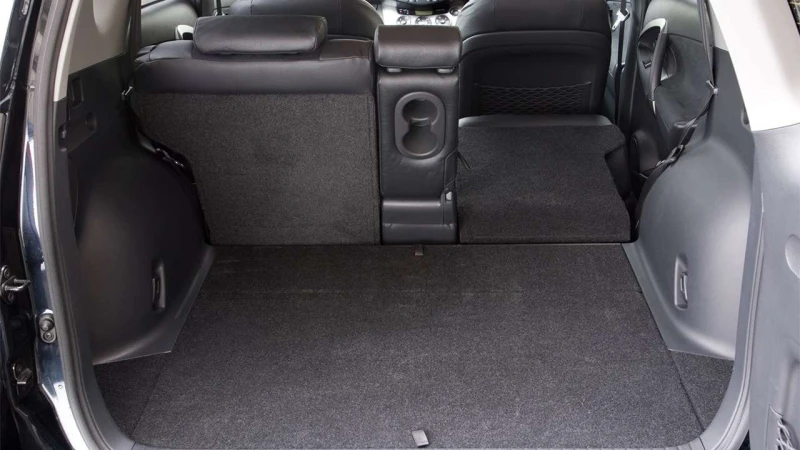
The rear bench comfortably seats three adults, with adjustable seatback angles and—in some models—sliding capability to trade legroom for cargo space. Cargo capacity starts at about 36 cubic feet behind the rear seats (expanding to roughly 73 cubic feet with them folded), delivering a flat load floor. Clever storage solutions abound: multiple cubbies, a center armrest, and bag hooks keep the cabin organized. Overall, the RAV4 cabin strikes a great balance for daily family use, city driving, and light hauling.
Trim Levels & Features on the US Market
In the United States, the 2006–2012 RAV4 came in several common trim configurations. The base model (often labeled Base or LE) featured cloth upholstery, manual air conditioning, a basic CD audio system, and power windows. Interior materials stayed simple—hard plastics without fancy trim pieces—and infotainment lacked Bluetooth in early versions.
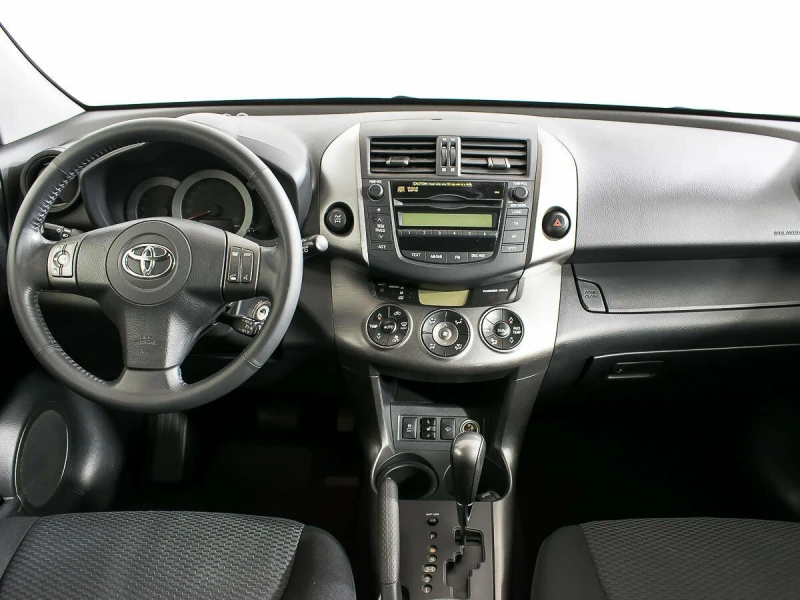
Mid-level trims (Sport or XLE) stepped up with automatic climate control, cruise control, alloy wheels, and a better sound system. Front seats often included available heating, while upholstery remained cloth unless optioned otherwise. The Sport trim emphasized a more dynamic feel with metallic accents inside, firmer suspension tuning, and available all-wheel drive. Top-tier Limited models brought leather seats, a premium JBL audio system, navigation, a rearview camera, and available moonroof or panoramic roof options.
US-market RAV4s typically followed North American specs: strong heating and defrosters suited to varied climates, standard safety features like ABS and stability control, and frequent optional all-wheel drive. Unlike some overseas versions, many US models offered an optional third-row seat for seven-passenger capability, though five-seat layouts dominated. On the used market today, four-cylinder and V6 versions remain popular, with interiors geared toward everyday reliability and ease of use.
| Trim Level | Key Interior Features | US Market Notes |
| Base / LE | Cloth seats, manual A/C, basic audio | Core safety equipment standard |
| Mid-level (Sport / XLE) | Auto climate, heated seats available | Good all-season comfort |
| Sport | Metallic accents, upgraded audio | Available AWD, dynamic feel |
| Limited | Leather, moonroof, navigation | Premium audio, rear camera |
Interior Evolution & Facelifts Over the Years
During its 2006–2012 production run, the RAV4 interior saw gradual improvements. Early models (2006–2008) featured basic hard plastics and modest sound deadening. The 2008 facelift brought a revised center console for better usability, fresh interior color choices (gray, beige), thicker door and floor insulation, Optitron gauge lighting, and MP3-compatible audio upgrades.
The 2010 refresh added slightly softer dash plastics, an improved stereo, and extra storage cubbies. Noise levels dropped noticeably, especially in models built for North America. On the used market, post-facelift examples (2009–2012) generally show less interior wear, better preserved materials, and stronger resale values.
Common Interior Issues & Owner Feedback
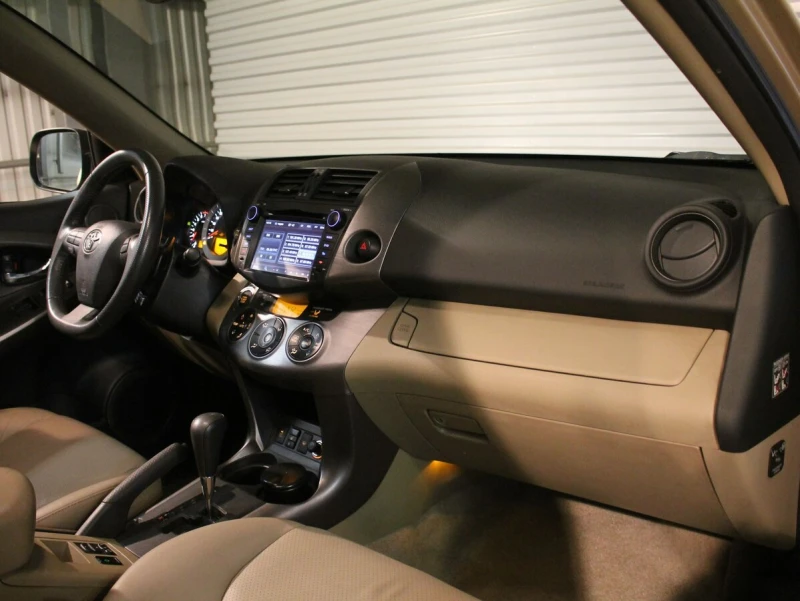
The 2006–2012 RAV4 interior is known for a few typical wear patterns and quirks. Hard plastic surfaces can develop scratches over time, especially on door panels and the console. The center armrest latch and upper glovebox button are notorious weak spots that may break or stick. Early models sometimes exhibit road noise and creaks due to lighter soundproofing.
Rear headroom can feel tight for taller passengers in non-moonroof versions. Visibility remains excellent thanks to large mirrors, though the rear window may fog in cold or humid conditions. Cloth seats tend to collect stains, while leather requires periodic conditioning to avoid cracking.
On US roads—ranging from smooth highways to rough city streets and winter conditions—these issues can become more noticeable. Salt, temperature swings, and high mileage often accelerate steering wheel and shifter wear, especially past 125,000 miles.
Final Thoughts & Modern Relevance
In 2026, the third-generation RAV4 interior feels dated next to today’s screens and soft-touch surfaces. Yet its straightforward design, proven durability, and smart packaging keep it relevant for buyers who prioritize function over flash. Mid-level trims (XLE/Sport) usually offer the best mix of features, comfort, and value on the used market—delivering automatic climate, available heated seats, and solid all-around usability without premium overkill.
When shopping used, inspect the cabin closely: check plastic surfaces for heavy scratching, test all storage compartments, and listen for unwanted squeaks or rattles. Material condition depends heavily on past care, while older infotainment may not pair well with current smartphones. Overall, the RAV4 III cabin remains a smart, dependable choice for practical used-car shoppers across the United States.
Approximate used market price range in the US (depending on condition, mileage, and trim): $4,000–$12,000.